
Best Wood for Butcher Block Counter: Top Picks Reviewed
Butcher block countertops often crack or warp because the wood cannot handle moisture fluctuations or heavy cutting. This leads to unsightly gaps and a shortened lifespan for your kitchen surface.
The best wood for butcher block counter must combine hardness, tight grain, and moisture resistance to endure chopping, cleaning, and everyday kitchen stress.
Many butcher blocks fail because they use soft, porous woods or poor jointing techniques that chip and swell over time. Looking closely at wood species and construction reveals why some surfaces last decades while others falter quickly.
| Image | Name | Editor's Rating | Price |
|---|---|---|---|

|
Bme Hevea Solid Wood Butcher Block Countertop, Unfinished Bu...
|
|
|
|
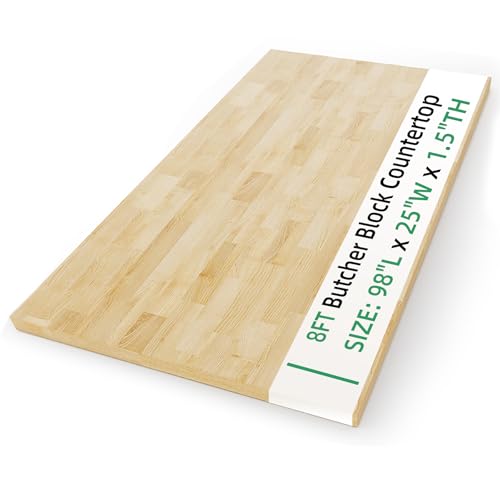
Butcher Block Countertop Wood Tabletop - Premium 8ft Solid H...
|
|
|
|
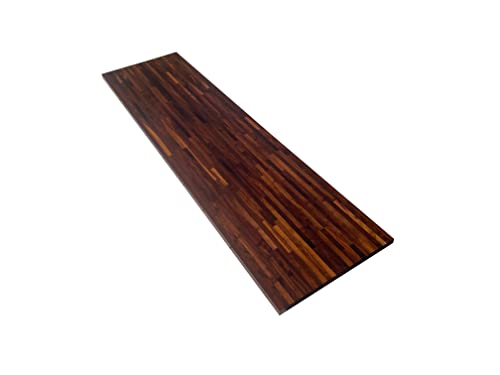
Forever Joint Walnut Butcher Block Wood Countertop - 1.5" x ...
|
|
|
|
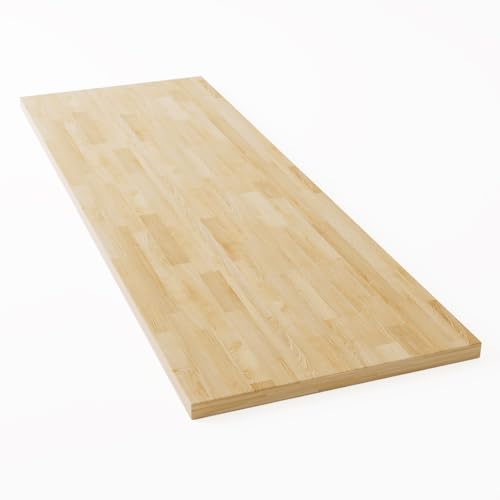
6FT Butcher Block Countertop Birch Solid Wood
|
|
Choosing the Best Wood for Butcher Block Counters
Selecting the ideal wood combines durability, appearance, and functionality to elevate your kitchen workspace. Explore top hardwood options that meet rigorous daily use and style demands.
1. Bme Hevea Solid Wood Butcher Block Countertop – Durable DIY Kitchen Surface 3ft x 25in
- 🌳UNFINISHED HIGH-QUALITY HEVEA WOOD: Our butcher block counter top is crafted from solid...
- 🌳FOUR LAYER PROTECTIVE PACKAGING: The multilayered packaging undergoes meticulous production to...
- 🌳VARIOUS SIZES FOR MULTIPURPOSE: Our butcher block countertop is available in multiple sizes as...
Finding a sturdy surface that matches your vision can be surprisingly challenging. Crafted from solid, sustainable hevea wood, this countertop delivers exceptional durability and strong grain patterns often sought after for customized kitchen projects. Its unfinished nature invites you to tailor the look with natural teak, cherry, or walnut finishes, opening creative possibilities.
Hevea hardwood, belonging to the maple family, is known less for its flashy appearance and more for long-lasting strength and resistance. Unlike typical butcher block tops that come pre-finished, this slab offers flexibility to create a unique centerpiece that aligns perfectly with your home’s aesthetics.
Measuring 3 feet by 25 inches with a substantial thickness of 1.5 inches, it suits applications ranging from kitchen islands to custom tables. To ensure stability during delivery, Bme employs advanced multilayer protective packaging to minimize the risk of warping, which is crucial for maintaining flatness in woodworking.
The pre-sanded, smooth edges and surfaces mean less prep work for you while providing a natural canvas to adapt the warmth and character of wood finishes. Expect to integrate both function and timeless beauty into your space with a surface designed for personalization.
Best for: Home renovators seeking a customizable, robust hardwood surface ideal for kitchen islands and counters.
Pros:
- Made from solid sustainable hevea wood with strong, durable grains
- Unfinished surface allows personalized finishing options
- Available in multiple sizes and a substantial 1.5-inch thickness
- Protective multi-layer packaging minimizes warping during shipping
- Pre-sanded edges reduce preparation time
Cons:
- Requires finishing and sealing to protect the wood long-term
- May need occasional maintenance to preserve appearance and durability
2. Butcher Block Countertop Wood Tabletop – Premium Birch Hardwood Slab for Kitchen and DIY Projects
- Premium Solid Hardwood Block: Made of 100% solid birch hardwood, this thick butcher block countertop...
- Multi-Purpose Countertop Use: A versatile butcher block wood slab for kitchen countertops, tabletop...
- Durable & Easy To Maintain: This sturdy butcher block top provides a safe wooden slab for food prep...
Transforming your kitchen island or workspace starts with selecting a hardwood surface that balances durability and aesthetics. This thick slab of premium birch hardwood provides a naturally smooth surface with a striking grain pattern, ideal for intense daily use. Its solid construction is meant for demanding environments where longevity and strength matter.
Designed for versatility, this wood slab isn’t confined just to countertop applications. You can easily convert it into a sturdy tabletop, workbench surface, or even a unique coffee bar top. The natural unfinished state allows you to apply your preferred finish, giving you complete control over the look and feel.
Maintaining longevity is easier than you might expect with this hardwood. The solid birch base offers a surface that stands up to chopping, prepping, and everyday wear while remaining easy to clean and resistant to common kitchen stresses. Thickness adds reassurance for heavy-duty tasks without risking warping or damage.
Whether customizing to fit specific dimensions or building something unique, this butcher block wood plank works well for a broad range of DIY projects. It’s a reliable foundation that combines traditional craftsmanship with practical modern use, fitting beautifully into kitchen remodels or functional workshop areas.
Butcher Block countertop wood supplies quality you can see and feel, balancing natural character with a functional design built to meet your creative needs.
Best for: Home chefs and DIY enthusiasts requiring a solid, adaptable hardwood slab for kitchen islands, countertops, or work surfaces.
Pros:
- Made from 100% solid birch hardwood ensuring lasting strength
- Smooth, natural grain surface ideal for food preparation
- Versatile use beyond countertops, including tables and shelves
- Unfinished for easy custom staining or finishing
- Thick and sturdy, resisting daily kitchen wear
Cons:
- Unfinished surface may require additional work for some design preferences
- Larger slab size may need cutting tools and skills for customization
3. Forever Joint Walnut Butcher Block Countertop with Superior Edge Grain Construction
- UNPARALLELED CRAFTSMANSHIP: Our unique Forever Joint technique ensures that each top is 99% free...
- INSTALLATION READY: Every top comes unfinished, sanded to a 150-grit finish, and coated with...
- PROUDLY AMERICAN: All our tops are proudly made in the USA, crafted from kiln-dried wood sourced...
Struggling to find a solid surface that blends durability and elegance for your kitchen? This Walnut butcher block countertop features an advanced edge grain design that offers exceptional density and long-lasting strength, making it a smart choice for heavy-duty culinary tasks.
Crafted using the exclusive Forever Joint technique, the countertop stands out by maintaining nearly spotless joints free from gaps or filler that often mar other large store options, ensuring a flawless and visually appealing surface.
Each slab arrives ready for installation, unfinished but pre-sanded to a smooth 150-grit finish and treated with food-safe mineral oil for immediate use or customization with your preferred sealing product.
Attention to detail is evident in the rounded 1/4″ radius corners and edges, enhancing safety while preserving an elegant look, ideal for high-use kitchen environments.
Proudly crafted in the USA from kiln-dried Midwest wood, this butcher block promises reliable quality backed by thoughtful material selection and skilled workmanship, courtesy of Forever Joint.
Best for: Home chefs and cooking enthusiasts seeking a resilient and beautiful hardwood surface that handles everyday kitchen demands with ease.
Pros:
- Almost gap-free joints thanks to Forever Joint technique
- Edge grain construction for superior longevity
- Pre-sanded and treated with food-safe mineral oil for convenience
- Rounded edges enhance safety and aesthetics
- Made from kiln-dried American hardwood for quality assurance
Cons:
- Comes unfinished, requiring sealing to suit personal preferences
- Width size might require precise measurement to fit all kitchen layouts
4. 6FT Butcher Block Countertop Birch Solid Wood – Versatile Customizable Work Surface
- PREMIUM SOLID BIRCH HARDWOOD: Crafted from 100% solid, closed-grain Birch, this resilient wood...
- UNMATCHED VERSATILITY & SIZING: Available in a range of lengths from 3 to 8 feet to fit any space...
- THE ULTIMATE DIY PROJECT SLAB: Featuring a perfectly smooth, sanded surface, this unfinished butcher...
Working with a slab crafted from 100% solid closed-grain Birch opens up a world of possibilities for your kitchen or workspace. The wood’s soft golden hue and consistent texture deliver an inviting, warm ambiance without overwhelming your design.
Unfinished and ultra-smooth, the surface invites you to customize it fully, whether sealing with your preferred coating or applying a stain. This flexibility means your worktop can match your style while standing up to daily use.
Available in multiple lengths from 3 to 8 feet, it adapts well beyond kitchens—as a sturdy office desk, garage bench, or laundry surface, its durability shines across different environments. The Birch hardwood balances beauty and strength, offering long-lasting performance.
Bear in mind, the natural variations in grain and color bring unique character that enhances authenticity rather than uniformity. Birch’s resilient nature makes this countertop slab a practical foundation for projects needing both function and personality.
Best for: Homeowners and DIY enthusiasts seeking a versatile, robust wood surface that can be tailored to fit customized kitchen or workspace needs.
Pros:
- Premium solid Birch hardwood ensures durability and natural warmth
- Unfinished surface allows complete design and protective finish customization
- Multiple length options fit varied space requirements
- Resistant closed-grain texture offers a smooth, easy-to-maintain surface
- Versatile for multiple applications beyond kitchen counters
Cons:
- Natural color variations may not suit those wanting a perfectly uniform appearance
- Requires finishing and sealing for best protection and longevity
Key Specs Compared: Top Wood For Butcher Block Counter
| Product Name | Wood Type | Dimensions (LxW) | Thickness | Finish |
|---|---|---|---|---|
| Bme Hevea Solid Wood | Hevea (Maple family) | 3 ft x 25″ | 1.5 in | Unfinished, pre-sanded |
| Premium Birch Hardwood | 100% Birch hardwood | 98″ x 25″ | 1.5 in | Unfinished, sanded |
| Forever Joint Walnut Edge | Walnut (kiln-dried) | 96″ x 26″ | 1.5 in | Unfinished, 150-grit sanded, mineral oil coated |
| Birch Solid Wood Countertop | 100% Birch hardwood | 6 ft x unspecified width | Unspecified (likely ~1.5 in) | Unfinished, sanded surface |
What Should You Look for in the Best Butcher Block Wood?

Choosing wood for butcher blocks goes beyond aesthetics. The right wood combines physical strength, grain pattern, and finish compatibility. Here are key factors defining a resilient butcher block.
Wood Hardness
Wood hardness is critical since it affects durability and resistance to dents and knife marks. Janka hardness rating quantifies this resistance, showing the force needed to embed a steel ball into the wood surface. For butcher blocks, hardwoods with a Janka rating over 1000—like maple, birch, and walnut—are ideal, standing up to repeated chopping and cutting.
For instance, Hevea wood, related to maple, offers a balanced hardness that ensures long-lasting durability without excessive brittleness. Softer woods may seem easier to cut on but will quickly scar, reducing surface safety and hygiene.
Ignoring hardness means dealing with permanent knife grooves and faster surface degradation, which also harbor bacteria and complicate cleaning. A harder wood preserves the smooth, safe surface butcher blocks require.
Grain Tightness and Pattern
Grain tightness plays a big role in how well a butcher block handles water and stays in shape. Woods with a tight, closed grain absorb less moisture, which helps keep them from warping or cracking over time. On the other hand, open-grain woods let water slip in, leading to swelling and damage.
Birch stands out with its fine grain and smooth texture, making it easier to sand and seal properly. Walnut features a rich, dense grain packed with natural oils that boost its resistance to moisture. Meanwhile, Hevea has a sturdy grain pattern, ideal for those who want durability without flashy looks.
Choosing the wrong grain tightness can cause your butcher block to discolor, swell, or split after just a bit of use. Avoid this by picking wood with the right grain for lasting performance and less upkeep.
Moisture Resistance
Moisture resistance means keeping water from soaking into butcher blocks, which can cause swelling and mildew. Woods with natural oils or tight grain structures help block water, making the surface last longer.
Walnut is a good choice because its natural oils offer some built-in water resistance. Other woods like birch and Hevea need sealing or oiling to protect them well. Many walnut blocks come with a mineral oil finish that acts as an extra moisture barrier.
Without proper moisture resistance, butcher blocks can develop deep stains, harbor bacteria, and warp over time. This not only ruins the wood but also affects kitchen cleanliness and safety.
Finish and Treatment Compatibility
The finish on a butcher block greatly influences its look, upkeep, and durability. Unfinished or mineral oil-coated surfaces provide the chance for regular maintenance and personalizing with your choice of sealants. On the other hand, pre-finished woods often restrict how you can refinish or treat the surface later.
For example, Bme Hevea and birch slabs come unfinished, giving you the freedom to apply oils or varnishes that protect the wood while keeping its natural texture. Walnut blocks usually arrive with a mineral oil finish, which offers immediate protection against moisture and spills.
Picking a wood that doesn’t match your preferred finish can cause poor adhesion, peeling, or accelerated wear. This mismatch often means you’ll face earlier replacements or more frequent repairs, cutting short your butcher block’s lifespan.
Construction Quality and Edge Grain Design
Butcher blocks differ mainly by construction method, with edge grain and face grain being the key types. The edge grain style aligns wood fibers vertically, giving the block more strength and making it tougher against knife marks.
Forever Joint Walnut uses an edge grain design that features seamless joints and superior durability. This approach avoids the common gaps and weak spots seen in face grain blocks, like some birch options. Because the joints are solid, it’s easier to keep clean and less likely to harbor dirt or bacteria.
Blocks with poor construction often develop visible gaps and weak areas, which can trap bacteria and shorten the useful life of the block. Choosing a well-built edge grain block ensures a longer-lasting, more hygienic cutting surface.
Size and Thickness
Dimensions play a big role in how a butcher block fits into your kitchen and stands up to daily use. A thickness around 1.5 inches offers a good balance of sturdiness without being too heavy to handle. Longer slabs give you plenty of workspace but often require extra support to stay stable.
Most hardwood slabs come in sizes roughly 3 to 8 feet long and 25 to 26 inches wide, making them ideal for kitchen islands or countertop surfaces. Thicker cuts hold up better over time, resisting warping and damage when you’re chopping or preparing meals.
Picking wood that’s too thin or small can lead to flexing, cracking, or pressure spots, which not only affects durability but also makes food prep less safe and comfortable. The right size keeps your block solid and dependable for years.
Frequently Asked Questions
Is Hevea wood good for butcher block countertops?
Hevea wood, part of the maple family, offers a sturdy and durable surface suitable for butcher blocks. Its balanced hardness and tight grain create a surface resistant to wear and knife marks, which is essential in food prep areas. The unfinished nature allows customization to match kitchen style.
Its physical structure resists moisture absorption better than softer woods, but sealing is recommended to protect the surface. Examples show Hevea performs well in high-use kitchens when properly treated.
For best results, treat the wood with mineral oil or a food-safe finish regularly. Avoid prolonged exposure to water, which can still damage even durable woods.
Why is birch wood popular for butcher blocks?
Birch wood’s popularity stems from its fine, closed grain which creates a smooth, tight surface ideal for cutting and food prep. It balances hardness and flexibility, making it less prone to cracking compared to harder species.
Technically, birch’s density provides durability while remaining workable for sanding and refinishing. Its lighter color offers a warm, inviting look that fits various kitchen designs.
Maintaining birch butcher blocks requires frequent oiling to maintain moisture resistance and prevent drying. Without proper care, birch can warp or discolor over time.
How does walnut compare to other woods for butcher blocks?
Walnut ranks high for butcher block use due to its hardness, density, and natural oils that help resist water and bacteria. Its rich dark tone adds elegance and warmth to any kitchen.
Its edge grain construction enhances durability by orienting wood fibers to better absorb impacts and resist knife damage. The mineral oil finish boosts moisture protection on a naturally porous surface.
Walnut butcher blocks need routine oiling to maintain their protective layer and avoid drying cracks. The premium price reflects its superior aesthetic and functional properties.
Can butcher blocks be left unfinished?
Many butcher block woods come unfinished to allow owners to apply custom finishes for protection and appearance. Leaving them untreated risks moisture absorption leading to swelling, staining, and cracks.
Unfinished blocks require regular maintenance with food-safe oils or sealants to maintain durability and hygiene. Some woods, like walnut, offer pre-applied finishes to reduce this burden.
Professional advice is to never skip sealing to avoid damage and ensure the block’s longevity. Ignoring this step causes rapid surface degradation and hygiene issues.
What thickness is best for butcher block countertops?
A thickness of about 1.5 inches is widely considered the sweet spot balancing strength and usability. Thinner blocks may flex or warp, while thicker blocks add unnecessary weight and cost with minimal benefits.
This ~1.5 inch thickness provides enough mass to resist deep cuts and maintain flatness over time. It’s standard in most quality butcher blocks, including those made from hevea, birch, or walnut.
Choosing the appropriate thickness for your installation ensures durability and comfortable use. Overly thin slabs risk damage; overly thick ones can complicate installation and cleaning.
Choosing Wood That Lasts: Your Best Butcher Block Counter
Picking the right wood closes the gap between a butcher block that quickly deteriorates and one that stands up to daily chopping and moisture. Hardness, grain tightness, and proper finish make all the difference in durability and hygiene.
Hevea and birch suit DIY projects needing customization, while walnut fits kitchens craving a premium, long-lasting surface with superior edge grain craftsmanship. Thickness around 1.5 inches balances strength without bulk.
Make sure to apply regular oiling or sealants and consider the right size for your counter space. Avoid skipping maintenance to prevent swelling, cracks, or bacterial growth that degrade performance.
Last update on 2026-09-14 / Affiliate links / Images from Amazon Product Advertising API