
Best Rock for French Drain: Top Choices for Lasting Performance
Water pools relentlessly near your foundation after every rain. Dirt and debris quickly choke the drain area. The soggy lawn turns into an irritating mud patch.
Crushed granite offers sharp edges to maintain better water flow. River rock provides smoother stones that resist soil clogging. Both rock types improve drain function uniquely.
A third option, lava rock, adds lightweight texture that allows extra airflow and quicker drying for your French drain system.
| Image | Name | Editor's Rating | Price |
|---|---|---|---|
|
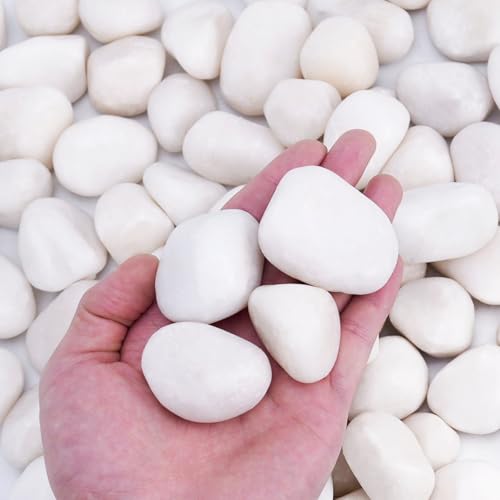
Pulovin 15 lbs White Rocks for Landscaping, 1-2 inch Large W...
|
|
Durable Rocks Engineered for Efficient French Drain Flow
Clogged drains and poor water flow often stem from unsuitable gravel choices. Selecting the right rock ensures efficient drainage, prevents soil erosion, and enhances the drain’s longevity.
1. Pulovin Premium White River Rocks 15 lbs for Landscaping and Drainage Solutions
- 【Premium Quality】Handpicked natural stones, meticulously polished and quality-controlled. Sleek...
- 【White Colors and Sizes】These pure white river rocks feature 1–2 inch size, moderate scale...
- 【Versatile Decoration】These white rocks widely used in plants, outdoor landscapes, gardens...
Transform outdoor spaces with these polished white river stones that combine aesthetic appeal with practical utility. Sized between 1 and 2 inches, the stones provide a perfect balance between coverage and drainage capacity, essential for effective soil protection in wet areas.
Engineered to offer a long-lasting, sleek finish, the handpicked stones maintain their pristine appearance while enhancing any garden or walkway. Their natural irregular shape allows water to flow efficiently, reducing erosion without compromising style.
Besides their decorative role, these stones function superbly in drainage applications, improving soil stability and preventing water accumulation. The eco-friendly composition ensures sustainability alongside performance, making them a smart choice for conscientious homeowners.
Pulovin’s attention to quality control ensures each batch delivers consistent size and color, critical for uniform coverage in both landscaping and drainage installations.
Use them to elevate outdoor aesthetics, support plant health through proper drainage, or integrate them into creative projects requiring natural, durable stones.
Best for: Homeowners seeking stylish yet functional stones that enhance drainage and curb appeal in their gardens or yards.
Pros:
- Consistent 1-2 inch size optimal for balanced drainage and coverage
- Hand-polished for a refined, durable finish
- Natural, irregular shape promotes effective water flow
- Eco-friendly and resilient for long-term use
- Versatile for landscaping, drainage, and decorative applications
Cons:
- White color might require occasional cleaning to maintain brightness
- Moderate weight may need careful handling during installation
Essential Specifications of Top Rock Choices for French Drain Applications
| Product Name | Material | Size | Color | Shape |
|---|---|---|---|---|
| Pulovin White Landscaping Rocks | Natural river rocks | 1-2 inch | White | Irregularly shaped |
Which Factors Really Determine the Best Rock for French Drain Success?

Picking the right rock for a French drain isn’t about just grabbing any gravel off the shelf. Several detailed factors shape how well your drainage system performs over time. Missing one can lead to clogged pipes or poor water flow.
Rock Size and Granularity
Rock size is pivotal in French drain effectiveness because the stones create the void space through which water moves. Too small, and the gaps fill with sediment; too large, and water flow becomes uneven or stagnant. The ideal range usually sits between 1 to 2 inches—large enough to prevent soil intrusion but small enough to maintain a steady flow.
From a technical standpoint, stones in the 1–2 inch diameter range offer an optimal balance of permeability and support. For example, natural river rocks sized at this scale provide consistent pore spaces that let water slip through easily without compromising structural stability around the drain pipe.
Ignoring proper rock size often results in clogged drains caused by soil or fine particles infiltrating gap spaces. Selecting rocks too fine leads to sediment buildup, sharply reducing drainage capacity and increasing maintenance needs over time.
Material Composition
The material type of drain rock directly impacts its durability and drainage performance. Rocks like natural river stones resist weathering and don’t easily break down into finer particles that could clog systems. This mineral hardness is crucial for a long-lasting drain setup.
Natural river rocks often consist of quartz, granite, or similar dense materials with smooth surfaces. These characteristics prevent particle erosion and keep tight packing from forming, which favors water permeability. Less dense or porous stones tend to degrade or trap moisture within, reducing drainage efficacy.
Choosing substandard material might introduce faster rock degradation and clogging. The drain’s lifespan shortens drastically as broken down gravel interferes with water flow, demanding more frequent repairs or replacements.
Shape and Surface Texture
Irregular rock shapes improve interlocking and leave more open space compared to perfectly rounded stones, which can pack too tightly and reduce airflow. The texture also matters; smoother rocks reduce soil binding but may shift more during settling.
For instance, irregularly shaped river rocks possess a natural variance in angles and edges that maintains a porous matrix around drainage pipes. These structural voids encourage free drainage without compacting excessively over time, unlike smaller smooth gravel that often collapses.
Ignoring shape and texture can cause drainage voids to close prematurely. Rounded or very smooth stones compact too tightly, restricting water flow and causing faster soil infiltration, which clogs the drain and reduces its function.
Color and Heat Absorption
Color may appear like just an aesthetic choice, but it significantly impacts how much heat the rocks absorb. Lighter-colored stones, such as white river rocks, reflect more sunlight, helping to keep temperatures down. This matters because excessive heat can cause drainage materials to expand and contract, creating stress that might damage your system over time.
The physics behind this involve the rock’s thermal mass. White or light-colored stones have lower thermal mass, meaning they absorb and retain less heat than darker varieties. This results in a more stable temperature environment around pipes and soil, which is crucial for maintaining the integrity of plastic drainage components and preventing soil movement.
Not considering color leads to continuous heat fluctuations. This can cause pipes to warp or shift subtly, disrupting alignment and decreasing drainage efficiency. Choosing the right rock color helps avoid these costly issues and extends the lifespan of your drainage system.
Durability Under Moisture and Freeze-Thaw Cycles
Durability under varying weather conditions is a cornerstone for French drain rock. Stones must resist fracturing or crumbling during repeated freeze-thaw cycles common in many climates. Durable rocks maintain void spaces longer and reduce maintenance needs.
Natural river rocks, mostly formed through long-term geological processes, supply enhanced resistance to moisture and temperature changes. For example, granite-based stones withstand fracturing due to their crystalline structure, unlike softer sedimentary rocks that break down quickly.
Skipping this factor often loses drainage integrity when broken stones collapse into finer particles that clog gaps. This reduces water flow and intensifies soil saturation near the drain, damaging surrounding structures.
Cost Versus Longevity Trade-Off
Choosing the right rock means balancing upfront expense with lasting performance. Cheaper gravel might seem like a good deal at first but often breaks down quickly. This wear requires more frequent replacements, driving up total costs. Opting for higher-quality rock offers a smarter investment because of its robust durability over time.
Take, for example, Pulovin Premium White River Rocks. These come at a higher price per pound but feature uniform size, shape, and mineral content. This consistency improves water flow and limits clogging, which cuts down on maintenance. The material integrity of these rocks means fewer disruptions and longer intervals between repairs.
Neglecting this factor leads to repeated expenses and unnecessary downtime for your drainage system. Cheap materials weaken faster, leaving you stuck with costly fixes that add up and may harm your property’s value.
Availability and Environmental Impact
Access to suitable rock directly affects how smoothly your French drain project goes and its overall cost. Choosing locally available stones often means lower transportation fees and fewer emissions. This factor plays a key role in balancing budget and eco-friendly practices.
Natural river rocks found nearby typically reduce the need for long-distance shipping. This not only cuts down your carbon footprint but also ensures quicker delivery. Using recycled or reclaimed rocks is another option that helps protect the environment, though it’s important to check material quality beforehand.
Ignoring how and where your rock is sourced can cause unexpected delays and drive up expenses. Imported materials usually involve more energy use and waste production, hurting both your wallet and the planet. Being mindful here supports a smoother process and a more sustainable project.
Frequently Asked Questions
What makes a rock suitable for use in a French drain?
The best rock for a French drain must allow water to flow freely through gaps while preventing soil from clogging the system. This means choosing rocks with larger sizes between 1 to 2 inches and irregular shapes for effective void spaces.
Natural river rocks fit this profile well, as their irregular shapes create better water pathways compared to rounded gravel. Their durability also helps maintain long-lasting drainage without breaking down.
When selecting rock, avoid using fine gravel that can compact and reduce permeability over time, which will hinder drainage.
Why are natural river rocks often recommended for French drains?
Natural river rocks have an irregular shape that creates ample space between pieces, allowing for strong water flow while stabilizing the trench. Their rough surfaces help prevent soil infiltration.
For example, Pulovin White Landscaping Rocks sized around 1-2 inches are ideal because they combine effective drainage with aesthetic appeal if exposed.
Keep in mind to select rocks large enough to avoid shifting when backfilled; otherwise, the drain’s integrity may weaken.
Can white river rocks enhance the look of a French drain without compromising function?
White river rocks provide both functional drainage and an attractive finish when used in exposed French drain systems. Their light color contrasts nicely against soil and plants.
Pulovin’s 1-2 inch white river rocks offer this balance, performing well as drainage media while adding a crisp, clean appearance if the drain is visible.
However, using white rocks in shaded or dirty areas may require regular cleaning to maintain their brightness and prevent discoloration.
How does rock size impact the effectiveness of a French drain?
Rock size plays a crucial role in water drainage and filter efficiency. Smaller rocks tend to compact and limit water flow, while overly large rocks can let soil slip through, causing blockages.
The typical 1-2 inch diameter is favored because it balances water passage with sediment control, creating the best flow environment.
Stick to a single rock size during installation to maintain even drainage and prevent clogging over time.
Is it necessary to use a filter fabric with rocks in French drains?
Filter fabric is essential when using rocks to prevent surrounding soil from mixing with and clogging the drainage rock bed. This protects the integrity of the French drain and extends its effective lifespan significantly.
Wrapping the trench with a permeable geotextile fabric stops soil particles from infiltrating while letting water pass through freely around the rock, ensuring efficient flow.
A common mistake is omitting fabric, which leads to clogged rock layers and poor drainage, requiring costly repairs and reducing system reliability.
Enhancing Drainage with the Ideal Rock Choice
Selecting the right rock transforms the performance of a French drain, significantly improving water drainage and soil filtration. Using 1-2 inch stones made from natural materials minimizes clogging and ensures durability for consistent water flow through the system.
Homeowners focusing on residential applications should prefer angular stones that lock together for stability, while decorative spaces can utilize smoother river rocks for aesthetics without sacrificing effectiveness. Different scenarios demand distinct rock types to match both function and style.
Assess trench dimensions carefully to ensure compatibility with chosen rock size and avoid stagnation risks. Installing a gravel base fosters better filtration efficiency. Avoid small, rounded stones that impede flow and lead to maintenance challenges long-term.
Last update on 2026-09-14 / Affiliate links / Images from Amazon Product Advertising API