
Best Fruit Trees to Plant in Texas for a Lush Home Orchard
The Texas sun blazes with fierce heat. Fruit trees wilt and buds dry up quickly. Many gardeners end up with bare branches and tasteless fruit.
Peach trees thrive solo, producing juicy fruit without pollinators. Calamondin trees brighten spaces with fragrant citrus blooms year-round.
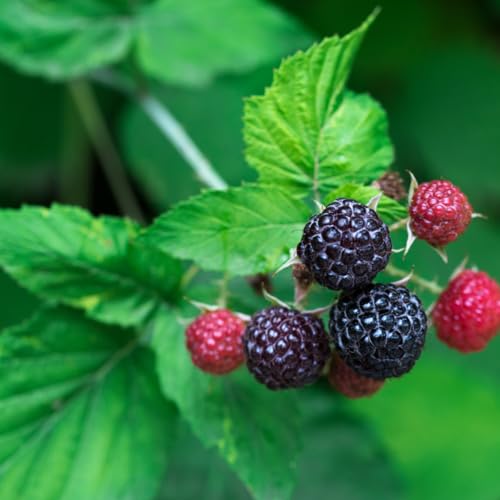
Tahi Thornless Black Raspberry grows strong under harsh conditions. It fills spots where other plants struggle, offering easy harvests.
| Image | Name | Editor's Rating | Price |
|---|---|---|---|

|
Contender Peach Tree - Self Pollinating Live Fruit Plant Shi...
|
|
|
|
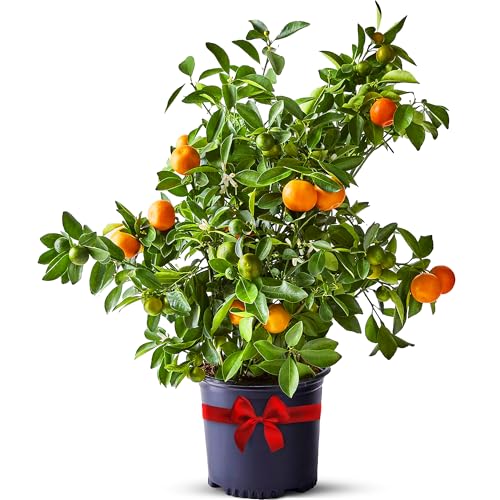
Calamondin Tree Live Plants 13" - 22" Tall Indoor Outdoor Fr...
|
|
|
|
'Tahi' Black Raspberry Plant - Thornless Black Raspberry Pla...
|
|
|
|
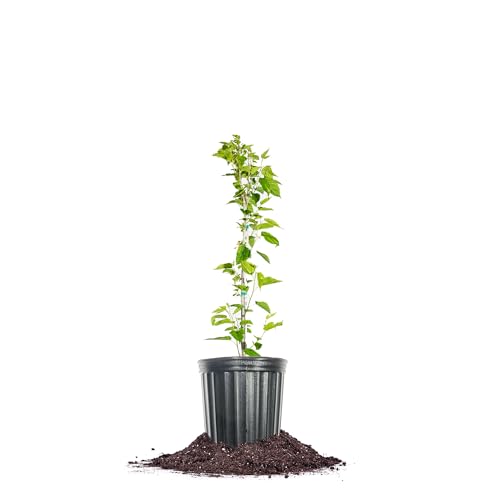
Perfect Plants Dwarf Everbearing Mulberry Tree 1 Gallon | Se...
|
|
|
|
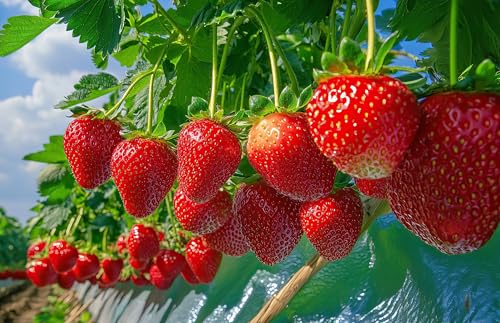
Jewel Strawberry Plants for Growing - Fruit Very Firm, Sweet...
|
|
Fruit Trees Thriving in Texas Heat and Soil
Thriving fruit trees in Texas demand resilience against heat, drought, and soil variations. Selecting varieties suited to these conditions ensures bountiful harvests and minimal maintenance for lasting garden success.
1. Contender Peach Tree – Ideal Self-Pollinating Fruit Tree for Texas Gardens
- Do not plant in a container, only in the ground. All pictures are of fully grown plants. Sizes...
- California orders are shipped bare root according to their state regulations.
- Thrives in zones 5 through 8 with full sun.
Planting fruit trees in Texas often involves more guesswork than it should. The climate can be unforgiving, and not every fruit tree thrives as expected. This makes the choice of tree crucial if you want the most rewarding harvest without endless fuss.
The Contender Peach Tree challenges the common assumption that peaches require complicated conditions or pollinators nearby to bear fruit. This variety is self-pollinating, saving you the trouble of planting multiple trees or worrying about pollination timing.
Shipping 1 to 2 feet tall and shipped securely in gallon pots, this live fruit tree is sturdy and ready to establish quickly in your garden. It requires a spot with full sun and loam soil, conditions common across many parts of Texas, making it a natural fit.
With a mature height of around 10 feet, it fits well into medium-sized garden spaces, producing vibrant pink blooms in spring that attract pollinators, naturally supporting other plants nearby. Maintaining it is straightforward: regular watering and well-draining soil encourage strong growth without extensive maintenance.
Its organic material composition and specific adaptation to zones 4 through 8 assure you a durable tree to withstand Texas climates. Be mindful—only plant in the ground to ensure the tree’s roots develop properly for optimal fruit production.
Best for: Home gardeners in Texas seeking a reliable, low-maintenance peach tree with self-pollinating benefits suited for outdoor planting.
What We Like:
- Self-pollinating, eliminating the need for nearby trees
- Ships mature enough for easy transplantation with clear planting instructions
- Attracts pollinators, supporting a biodiverse garden ecosystem
- Adapted to USDA zones 4-8, matching Texas-wide conditions
- Requires standard garden care, making maintenance simple
Specification:
| Specification | User Benefit |
|---|---|
| Self-Pollinating | Produces fruit without needing other trees for pollination |
| Full Sun Exposure | Ensures healthy growth and abundant fruit development |
| Loam Soil Requirement | Uses common soil types for easier planting success |
| Height at Maturity (10 Feet) | Fits well in average home gardens with manageable size |
| Zones 4-8 Compatible | Adapts well to diverse climates including much of Texas |
| Pink Blooms in Spring | Enhances garden beauty and attracts helpful pollinators |
| Regular Watering Needs | Keeps maintenance predictable for home gardeners |
2. Calamondin Tree Live Plant: A Compact Citrus Delight for Texas Gardens
- YEAR-ROUND BLOOMS & COLORFUL FRUIT: This calamondin tree live plants hybrid produces fragrant white...
- TART FRUIT FOR CREATIVE COOKING: The fruit has a sour kick with a sweet peel, great for jams...
- REFRESHING SCENT FOR YOUR HOME: With star-shaped blooms that produce a fresh citrus scent, this live...
Imagine having a splash of vibrant orange fruit and fresh citrus aroma right inside your home or patio. The Calamondin Tree live plant offers this unique blend, blooming year-round and brightening spaces with its fragrant white flowers and colorful produce.
Contrary to what many assume, growing a fruit tree indoors or in compact spaces is not just possible, but can be remarkably rewarding with a plant like the Calamondin. It thrives without demanding a large garden area or constant care.
This tree’s tart fruit isn’t just for show; it brings a creative spark to your kitchen, adding a sharp, sweet peel flavor perfect for jams, cocktails, or marinades. Having fresh, home-grown citrus ready to use transforms everyday cooking into a delightful experience.
Designed with easy maintenance in mind, it requires moderate watering and plenty of sunlight, making it ideal for busy gardeners or those new to growing fruit trees. Its compact stature fits comfortably in any indoor setting, from cozy apartments to sunny patios.
Florida-grown and shipped in a sturdy one-gallon pot, this tree is ready to flourish, offering both visual charm and fresh fruit for your culinary adventures.
Best for: Gardeners seeking a manageable, fragrant citrus tree that fits small spaces and enhances indoor or patio environments.
What We Like:
- Year-round blooming with bright orange fruit adds constant color.
- Compact size ideal for indoor or patio placement.
- Tart fruit suitable for versatile culinary uses.
- Moderate care needs match busy lifestyles.
- Brings refreshing citrus scent to any space.
Specification:
| Specification | User Benefit |
|---|---|
| Indoor Outdoor Usage | Perfect for indoor environments or sheltered outdoor patios. |
| Expected Blooming Period | Produces flowers and fruit throughout the year for continuous enjoyment. |
| Sunlight Exposure | Thrives in full sun, maximizing natural growth indoors or outdoors. |
| Expected Plant Height | At 22 inches tall, it fits well in compact spaces without overwhelming. |
| Soil Type | Prefers sandy soil that drains well to keep roots healthy. |
| Moisture Needs | Moderate watering ensures easy maintenance without overcare. |
| Material Features | Organic growth supports eco-friendly gardening practices. |
| Color | Combines green, orange, and white for year-round visual appeal. |
3. Tahi Thornless Black Raspberry Plant – Perfect for Texas Gardens
- Tahi Black Raspberry Plant characterized by a rich, deep black hue
Introducing the Tahi Black Raspberry Plant, a thornless variety that brings the rich, deep black color of fresh raspberries right to your backyard. Unlike many fruit plants that struggle in Texas’s heat, this plant thrives with full sun exposure, making it a fitting choice for garden enthusiasts in the region.
Its toughness lies in moderate watering needs which means less fuss and more fruitful rewards. The thornless characteristic ensures easy harvesting, avoiding prickly encounters that can make berry picking frustrating and painful.
Designed specifically for outdoor growth, the plant also carries the advantage of being GMO-free, appealing to gardeners prioritizing natural growth without genetic modifications. Its plug bareroot form makes it easier to plant and establish deep roots, enhancing durability and long-term productivity.
While the Tahi Black Raspberry may take some patience to mature, its fruitful returns justify the wait. Perfectly suited for Texas gardens, this plant stands out by blending resilience with simple maintenance, yielding delicious black raspberries season after season.
Best for: Gardeners in Texas looking for a resilient, thornless raspberry plant with easy care and high fruit quality.
What We Like:
- Thornless variety for safe and easy harvesting
- Thrives in full sun, ideal for Texas climates
- Moderate watering needs reduce maintenance
- GMO-free for natural, organic gardening preferences
- Plug bareroot form promotes healthy root development
Specification:
| Specification | User Benefit |
|---|---|
| Sunlight Exposure: Full Sun | Maximizes plant growth suited to Texas sunny conditions |
| Moisture Needs: Moderate Watering | Balances water use, cutting down on over or under watering risks |
| Unit Count: 12.0 Ounce | Lightweight and manageable for easy planting |
| Material Features: GMO Free | Supports natural growing methods without genetic alteration |
| Plant Type: Plug Bareroot | Encourages deeper root systems for stronger plants |
| Color: Blackberry (Fruit) | Provides rich, visually appealing fruit for fresh eating or recipes |
| Brand: Hand Picked Nursery | Trusted nursery brand with quality propagation methods |
4. Perfect Plants Dwarf Everbearing Mulberry Tree 1 Gallon | Self-Fertile Fruiting Tree
- The Dwarf Everbearing Mulberry tree has a mature height of 6-10 feet and a width of 6-8 feet, with a...
- Continuously flowering and fruiting with adequate warmth and sunlight.
- The sweet, juicy black mulberries are rich in vitamin C, antioxidants, and other essential...

Looking for the best fruit trees to plant in Texas but feel limited by space? The Dwarf Everbearing Mulberry Tree defies the usual “big tree” requirement for bountiful fruit. Unlike many fruit trees that demand acres, this compact tree matures at just 6-10 feet tall, making it ideal for smaller yards or garden corners.
What sets this tree apart is its almost continuous flowering and fruiting cycle when given enough warmth and sunlight. This means you’re not waiting for a single season to enjoy fresh, sweet mulberries— the harvest can be ongoing, subject to Texas’s climate favoring growth.
Beyond its convenient size, the mulberries themselves pack a nutritional punch. Rich in vitamin C and antioxidants, these berries support immune health and vision—a tasty way to incorporate wellness into your garden.
Its adaptability is another standout. While the tree thrives in well-drained fertile soil, it tolerates both wet spells and drought conditions, crucial for Texas gardeners facing varied weather patterns. Maintenance is straightforward, making this an accessible choice for gardeners who want fruit without fuss.
Best for: Gardeners in Texas seeking a self-pollinating, space-efficient fruit tree with year-round harvesting potential.
What We Like:
- Compact size ideal for small gardens
- Continuous fruiting with adequate warmth and light
- Highly adaptable to soil moisture variations
- Rich, nutritious berries supporting health
- Low maintenance and self-fertile growth
Specification:
| Specification | User Benefit |
|---|---|
| Mature Height | Fits into limited garden spaces with manageable growth |
| Growth Rate | Gains about a foot annually, allowing quick fruit availability |
| Sunlight Exposure | Full sun requirement ensures vigorous flowering and fruiting |
| Soil Adaptability | Thrives in well-drained soil yet tolerates wet and drought conditions |
| Fruit Nutritional Value | Provides berries rich in vitamin C and antioxidants for health benefits |
| Self-Fertility | Does not require a second tree to bear fruit, simplifying care |
5. Jewel Strawberry Plants: High-Yield, Sweet Fruit for Texas Gardens
- Strawberry plants are easy to grow, come back each year, and make huge yields. Grow delicious fruit...
- Plant these strawberry plants in a patch and you will have fruit for years.
- Instructions included. We send paper intructions and a video link.
Ever wondered if you could consistently grow delicious, firm strawberries right in your Texas backyard? Many assume strawberries are too delicate or picky for the Texas climate, but Jewel Strawberry Plants defy this belief with their robust nature and sweetness.
These strawberry plants produce impressively firm, sweet fruit that thrives in full sun, making them ideal for Texas’ bright and sunny conditions. You don’t need a vast garden; a small patch can yield enough berries to enjoy fresh or turn into homemade pies and jams year after year.
Jewel plants return annually, reducing the hassle of replanting and offering a sustained harvest. They come with clear paper instructions plus an informative video, supporting both novices and seasoned gardeners in getting the best from their plants.
Designed specifically for durability in warm climates, these strawberry plants handle Texas heat better than many varieties, which often struggle outside controlled environments. Their sweet fruit and reliable production can transform your gardening experience without complicated maintenance.
Best for: Home gardeners in Texas seeking a dependable, tasty strawberry variety for fresh eating and preserves.
What We Like:
- Produces firm, sweet berries suited to warm climates
- High yield from a compact planting area
- Easy annual growth cycle with minimal replanting
- Comes with straightforward growing instructions and video guide
- Tolerates Texas heat and full sun exposure effectively
Specification:
| Specification | User Benefit |
|---|---|
| Sunlight Exposure | Thrives in full sun, ideal for Texas weather |
| Unit Count | Single plant to start an efficient patch |
| Fruit Quality | Firm and sweet berries enhance fresh and cooked recipes |
| Plant Durability | Returns annually, minimizing replanting effort |
| Instructions Included | Clear guidance helps growers achieve best results |
6. Grafted Peach Tree Live Plant – Belle of Georgia, Hardy & Fruitful for Texas Gardens

- Cold Hardy: Suitable for growing in Zones 5-8
- Well-Rooted: Each tree is well-rooted and ready for outdoor planting in a 4-inch pot.
- Expect sweet, juicy peaches in 1-2 years after planting.
Planting fruit trees in Texas often feels like a gamble against the climate, yet the Belle of Georgia peach tree challenges that notion. This grafted peach tree is not just any garden addition; it’s a well-rooted live plant ready to thrive outdoors with minimal fuss.
Cold hardy across Zones 5-8, this tree is designed to handle Texas winter dormancy naturally, an advantage that many gardeners overlook. Its resilience means you won’t waste time or effort on fragile saplings that struggle through seasonal changes.
At a practical height of one foot, the Belle of Georgia is easy to plant in both small orchards and home garden spaces. It adapts well to containers too, making it a versatile choice for limited outdoor areas while promising sweet peaches in just 1-2 years.
Beyond its manageable size and hardiness, this tree’s real draw is its quick fruiting potential, putting a reliable peach harvest within reach without a long wait. This speeds up the gratification cycle for gardeners eager to enjoy fresh fruit straight from their yard.
Best for: Gardeners in Texas seeking a hardy, fast-fruiting peach tree suitable for varied garden sizes and outdoor conditions.
What We Like:
- Cold hardy from Zones 5-8, suitable for Texas climates
- Well-rooted and ready to plant, ensuring strong establishment
- Produces sweet, juicy peaches within 1-2 years
- Dormant in winter, aligning with natural seasonal cycles
- Compact size ideal for small orchards and container gardening
Specification:
| Specification | User Benefit |
|---|---|
| Cold Hardiness Zones 5-8 | Ensures the tree survives Texas winters without extra protection |
| Height: 1 foot | Easy to plant and manage in confined garden spaces or containers |
| Live, Well-Rooted Plant | Strong root system supports rapid growth and reduces transplant shock |
| Dormant in Winter | Natural cycle improves tree health and fruit production timing |
| Fruit Bearing in 1-2 Years | Offers quick return with fresh fruit compared to slower-growers |
Technical Details For Popular Fruit Trees To Plant In Texas Gardens
| Product Name | USDA Hardiness Zone | Sunlight Exposure | Expected Height | Soil Type |
|---|---|---|---|---|
| DAS Farms Contender Peach | 4-8 | Full Sun | 10 Feet | Loam Soil |
| Via Citrus Calamondin Tree | 8 | Full Sun | 22 Inches | Sandy Soil |
| Hand Picked Nursery Black Raspberry | N/A | Full Sun | N/A | N/A |
| Perfect Plants Dwarf Mulberry | N/A | Full Sun | 6-10 Feet | Well-Drained Fertile |
| CZ Grain Jewel Strawberry | N/A | Full Sun | N/A | N/A |
| HILROQG Belle of Georgia Peach | 5-8 | N/A | 1 Feet (Shipped Size) | N/A |
Picking the Right Fruit Tree for Texas Gardens: What Really Matters?

Choosing the best fruit trees to plant in Texas isn’t just about the fruit’s taste or look. Several factors make or break a tree’s success in the Texas heat, unpredictable winters, and varied soil. Knowing these characteristics upfront helps your garden thrive, bearing sweet, juicy fruits year after year.
USDA Hardiness Zone Compatibility
Climate tolerance is a top priority to match your tree to Texas’ range of hardiness zones. The USDA Hardiness Zones indicate how cold the environment can get without killing the plant. Texas stretches from Zones 4 through 9, meaning frost sensitivity varies widely.
Peach trees like the Contender Peach (Zones 4-8) and the Belle of Georgia Peach (Zones 5-8) survive winters well across many Texas areas. In contrast, a Calamondin citrus tree prefers warmer conditions, thriving in Zone 8. These zones guide which trees will endure your local winters and produce dependable crops.
Ignoring zone compatibility risks tree death during cold snaps or stunted growth. Planting a Zone 8 tree in a colder region invites frost damage and wasted effort, while a hardy tree in too hot a zone may struggle with heat stress. Matching trees to zone assures longevity and fruitful harvests.
Sunlight Exposure Needs
Sunlight intensity and duration play a crucial role in fruit tree development and fruit yield. Most fruit trees require full sun (6-8 hours daily) to maximize photosynthesis, fueling flower and fruit production. Providing inadequate sunlight can drastically reduce a tree’s ability to photosynthesize effectively.
The Contender Peach, Calamondin, Black Raspberry, Dwarf Mulberry, and Jewel Strawberry plants all prefer full sun exposure. This exposure encourages robust growth and sweeter fruits by increasing sugar content through prolonged energy conversion. Partial shade can stunt flowering and lead to sparse crops, which directly impacts overall harvest quality.
Neglecting to provide full sun compromises flowering and fruit ripening. Trees grown in shade or inconsistent light often drop fruit prematurely or produce undersized, bland fruits. Knowing your garden’s sun patterns and pairing them with sun-loving varieties prevents these disappointments and ensures a bountiful yield.
Growth Size and Space Requirements
Tree height and spread direct the suitability for your available garden space—be it a sprawling yard or a cute patio garden. Proper spacing ensures good airflow, reduces disease, and facilitates harvesting.
For tight spaces, the Dwarf Everbearing Mulberry is a winner, maturing at just 6-10 feet tall. The petite Calamondin Tree stays compact around 22 inches, perfect for containers. Larger peach trees like the Contender reach around 10 feet, needing wider planting areas.
Ignoring size needs leads to overcrowding, increasing pests and fungal risks while hampering tree growth. Overgrown branches also complicate fruit picking. Selecting trees based on mature size promotes healthier growth and easier management.
Soil Type Compatibility
Soil composition affects root health and nutrient uptake, essential for fruit tree productivity. Texas soils range broadly, with sandy, loamy, or clay-based profiles, each impacting water retention and aeration.
Calamondin trees favor well-draining sandy soils, avoiding root rot in damp terrain. Peaches perform best in loam soils with balanced moisture and nutrients. Dwarf mulberries prefer well-drained fertile soils that supply consistent nourishment without waterlogging. Matching soil needs ensures optimal root function.
Planting a tree in the wrong soil type stunts growth or causes disease. For example, heavy clay keeps water too long, suffocating roots, while overly sandy soil drains quickly, starving roots of moisture. Amending soil or selecting appropriate species avoids these pitfalls.
Pollination Requirements
Pollination is crucial for fruit trees to produce well. Some varieties are self-pollinating, meaning they don’t need another tree to bear fruit, while others rely on pollen from different trees. Knowing your tree’s pollination type can make or break your harvest.
For example, the Contender Peach and Dwarf Mulberry are strong self-pollinators, perfect if you have limited space or few neighbors with compatible trees. Others, like apples and pears, need nearby trees of a different variety to provide cross-pollination, often relying on bee activity to transfer pollen accurately between blossoms.
Ignoring these needs can lead to poor fruit set or no fruit at all. Choosing self-pollinating trees makes growing much simpler and more dependable, especially for first-time gardeners or those in isolated areas without easy access to pollinator varieties.
Watering and Maintenance Needs
Water requirements vary widely among fruit trees and influence establishment success and yield. Balancing moisture is critical—too little water stresses plants, too much invites disease.
The Tahi Black Raspberry thrives with moderate watering, reducing fuss while yielding richly flavored fruits. Drought-sensitive trees like peaches need monitoring during summer to avoid fruit drop. Consistent watering schedules aligned with species preferences promote healthy flowering and minimize common problems such as cracking or rot.
Ignoring watering needs stunts growth, reduces fruit quality, and makes trees vulnerable to pests and disease. Awareness and adjustment of irrigation based on species and season keep trees productive and resilient in Texas’ variable climate.
Fruit Harvest Cycle and Productivity
Fruiting frequency and volume determine how rewarding a tree is for the gardener’s time and patience. Some trees bear fruit once per year, while others flower and produce continuously or multiple times annually.
The Dwarf Everbearing Mulberry stands out with its continuous flowering and fruiting in warm conditions, delivering fresh fruit regularly instead of a single seasonal harvest. Jewel Strawberries provide high yields consistently when placed in full sun. These patterns influence planning for fresh consumption versus preservation or cooking.
Choosing trees without considering harvest cycle can lead to disappointment if fruit appears too infrequently or too in small quantities. Selecting multi-harvest varieties or everbearing types ensures steady produce supply that keeps gardens lively and rewarding.
Frequently Asked Questions
Which fruit trees grow best in Texas’ diverse climates?
Fruit trees like the Contender Peach and Belle of Georgia Peach thrive well across USDA Zones 4-8, making them excellent for various Texas regions. Their cold hardiness suits the winter dormancy phases typical of Texas winters.
For southern areas closer to Zone 8, the Calamondin Citrus also flourishes, responding well to the warmer, sandy soil conditions common there.
Choose trees matching your zone for better survival and fruity yields, avoiding varieties meant for drastically different climates.
Are self-pollinating fruit trees a practical choice for Texas gardens?
Self-pollinating trees like the Contender Peach and Dwarf Everbearing Mulberry are convenient for Texas gardens because they don’t rely on other trees to bear fruit. This makes them ideal for gardeners wanting a simpler, low-maintenance option.
These trees perform especially well in small yards or urban areas where space limits planting multiple varieties. They remove the need for cross-pollination, ensuring consistent crops year after year.
For healthy growth, make sure to plant them in full sun with fertile soil, which supports their natural resilience and productivity.
What soil and sun conditions work best for Texas fruit trees?
Full sun exposure is a shared requirement among top Texas fruit trees like peaches, raspberries, and strawberries for robust growth and fruiting. Soil preferences vary but lean toward loam or well-drained fertile soil for optimal root health.
The Calamondin Tree prefers sandy soil, which aligns with coastal or sandy Texas garden beds, while peaches do better in loam-rich earth.
Test your garden’s soil type before planting and consider amending with organic matter for balanced drainage and nutrition.
How much space do fruit trees need for Texas backyard gardens?
Dwarf or compact varieties like the Dwarf Everbearing Mulberry (6-10 feet tall) and the small Calamondin Tree (around 22 inches) fit easily into limited spaces while still rewarding you with fruit.
Larger trees like the Contender Peach can reach 10 feet tall, requiring more room for proper growth and airflow to prevent disease.
Measure your available space and select varieties accordingly, giving trees enough room to spread without overcrowding.
Can thornless berry plants handle Texas heat and yield well?
Thornless berry plants such as the Tahi Black Raspberry adapt well to Texas heat. They enjoy full sun and are easier to pick without the hassle of thorns, making them a popular choice for local growers. Their heat tolerance helps them produce a reliable fruit yield throughout the growing season.
These plants need moderate watering that suits Texas’ warm climate, avoiding overwatering which can harm roots. Proper moisture balance ensures healthy growth and fruit quality.
For best results, plant thornless berries where there is ample sunlight and good airflow. This prevents disease and fosters robust fruit development.
Finding the Best Fruit Trees for Texas Gardens
Choosing the right fruit tree variety is key to overcoming Texas’ diverse climate challenges, turning your garden into a reliable source of fresh fruit annually. Selecting trees adapted to local conditions promotes healthy development and ensures a productive harvest season after season. With the proper choice, gardeners can enjoy both satisfaction and sustainability.
Citrus trees thrive in warm, southern regions, while cold-hardy apples perform well in areas with cooler winters. Gardeners with limited space benefit from dwarf varieties, which deliver robust yields without overcrowding. Aligning your selection with specific environmental factors is essential for success.
Begin by evaluating your garden’s sunlight and soil conditions to guide tree selection effectively. Consistent care, including watering and pruning, optimizes fruit production, but be mindful of temperature tolerance to avoid stress. Thoughtful planning and maintenance will ensure your Texas fruit trees flourish for years.
Last update on 2026-10-04 / Affiliate links / Images from Amazon Product Advertising API