
Best Fruit Trees to Plant in Arizona for a Thriving Garden
Hot sun and dry air make growing fruit trees in Arizona feel like an uphill battle. Many hopeful gardeners watch saplings wilt or fail to fruit, frustrated by harsh heat and poor soil. Finding trees that can handle the desert without constant pampering feels almost impossible.
The Contender Peach Tree brings resilience with its self-pollinating nature and full sun tolerance. The Chicago Hardy Fig Tree towers tall, thriving in heat and offering plentiful purple figs. Both reject container growth to deepen roots and boost survival.
The Backyard Orchard Starter Bundle adds variety with six fruit trees suited for Arizona’s low-water needs, perfect for gardeners wanting diversity alongside peach and fig.
| Image | Name | Editor's Rating | Price |
|---|---|---|---|

|
Contender Peach Tree - Self Pollinating Live Fruit Plant Shi...
|
|
|
|
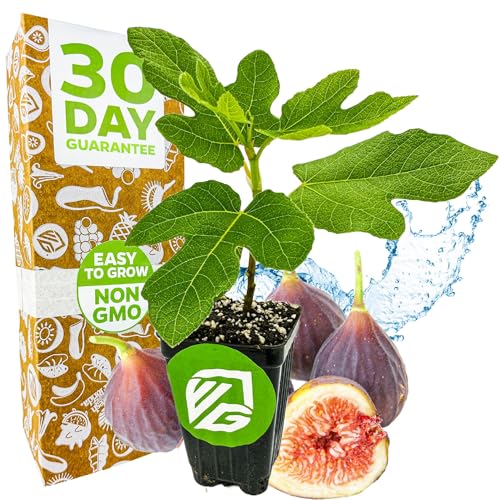
Chicago Hardy Fig Tree - Ficus carica by Wellspring Gardens ...
|
|
|
|
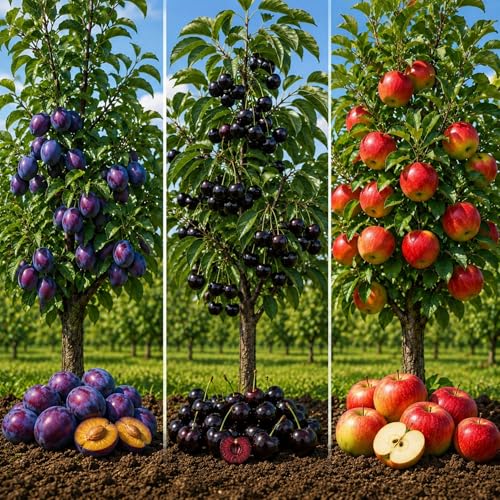
6 Live Fruit Trees – Backyard Orchard Starter Bundle – 2 App...
|
|
|
|
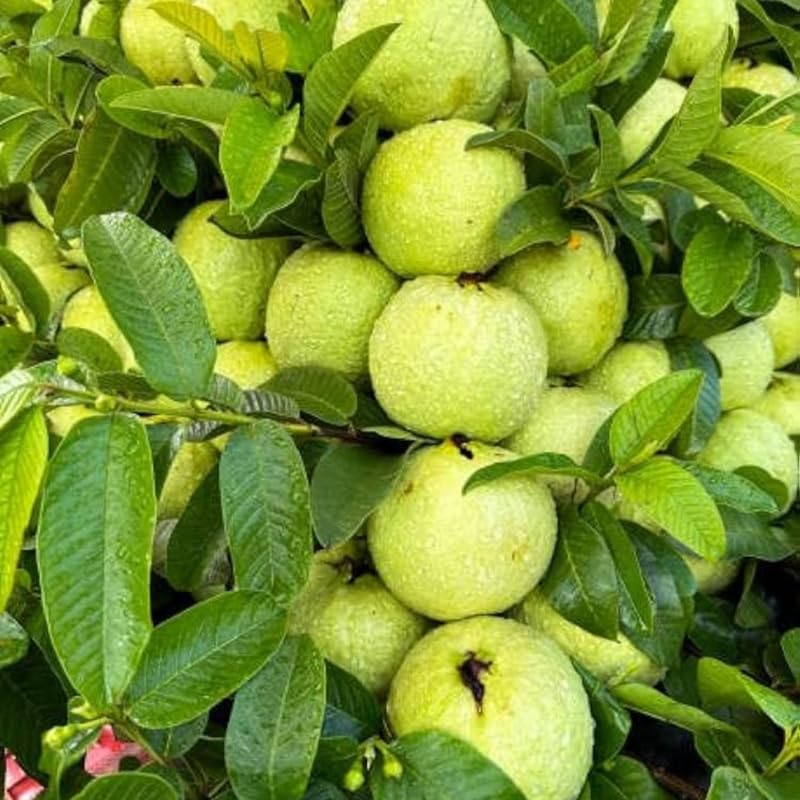
No CA, Kilo Guava Tree Live Plant, 2-3 Ft Fruiting Airlayere...
|
|
|
|
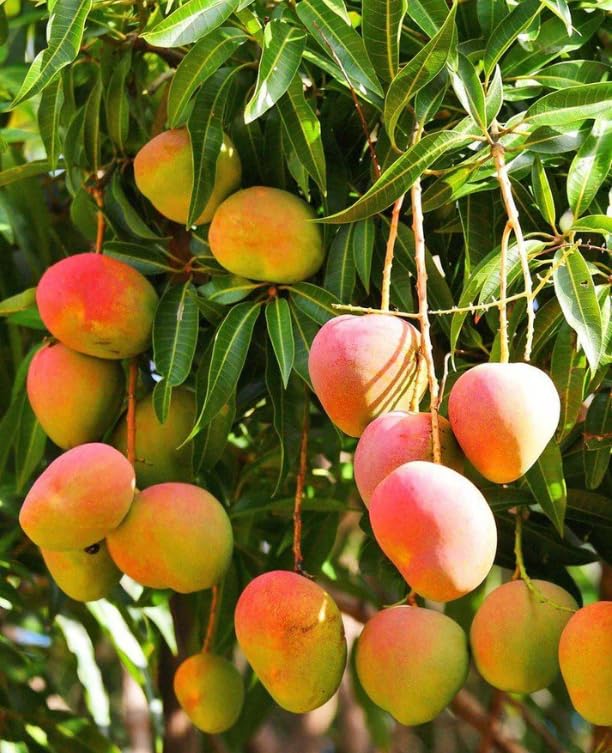
Grafted Glenn Mango Tree Large Yellow Mango Plant 2 Feet Tal...
|
|
Drought-Ready Fruit Trees Thriving in Arizona Gardens
Thriving in Arizona’s arid heat demands drought-resistant, resilient fruit trees that can handle poor soil and intense sun. Choosing the right varieties ensures a fruitful, sustainable harvest year after year.
1. Contender Peach Tree – Robust, Self-Pollinating Fruit Tree for Arizona Gardens
- Do not plant in a container, only in the ground. All pictures are of fully grown plants. Sizes...
- California orders are shipped bare root according to their state regulations.
- Thrives in zones 5 through 8 with full sun.
Many assume that fruit trees struggle in Arizona’s demanding climate. Yet, the Contender Peach Tree defies that notion, offering a resilient choice for gardeners seeking fruit-bearing trees that can adapt to tough conditions.
This variety thrives best planted directly in the ground, rejecting container growth to maximize root development and long-term vitality. Delivered as a young plant standing 1 to 2 feet tall, it’s ready to establish itself with proper care that leans on regular watering and sunny exposure.
Built to thrive in USDA zones 4 through 8, this tree attracts pollinators, enriching your garden’s ecosystem while promising spring blooms and a future harvest. Its organic nature and need for loam soil suit Arizona’s terrain when you can provide full sun in a well-drained spot.
Its deciduous habit means winter dormancy is expected and signals a natural rhythm, with fresh leaves in spring. Maintaining healthy growth involves straightforward watering routines, helping you cultivate a thriving peach tree capable of reaching about 10 feet in height.
Special instructions accompany the tree, boosting your success with transplanting and seasonal growth. This tree isn’t just another plant—it’s a durable piece of sustainable gardening, tailored for challenging climates where fruit trees often fail.
Best for: gardeners in Arizona looking for a drought-tolerant, self-pollinating peach tree that flourishes outdoors with proper sun and soil.
What We Like:
- Self-pollinating capacity removes dependency on other trees for fruit set.
- Attracts pollinators, promoting a healthy garden ecosystem.
- Adapted to thrive in USDA zones 4 to 8, suitable for Arizona’s environment.
- Requires simple care with regular watering in well-drained soil.
- Comes with detailed planting instructions enhancing transplant success.
Specification:
| Specification | User Benefit |
|---|---|
| Outdoor Usage | Designed to grow robustly in natural garden settings. |
| Attracts Pollinators | Supports local ecosystems aiding other plants’ pollination. |
| Expected Blooming Period | Provides spring blooms adding seasonal interest and food sources. |
| Sunlight Exposure | Full sun requirement ensures strong photosynthesis and growth. |
| USDA Hardiness Zone 4-8 | Compatible with wide climate range including Arizona’s conditions. |
| Expected Plant Height 10 Feet | Offers manageable size for home gardens with substantial fruit yield. |
| Soil Type: Loam Soil | Prefers nutrient-rich soil for optimal root health and stability. |
| Moisture Needs: Regular Watering | Supports healthy development with consistent soil moisture. |
| Plant or Animal Product Type: Fruit | Gives fresh peaches, a nutritional and culinary asset. |
| Material Features: Organic | Free from synthetic chemicals, better for environment and health. |
2. Chicago Hardy Fig Tree – The Best Fruit Tree for Arizona Gardens
- MATURE SIZE & CARE GUIDE: The tree grows 15-20ft tall and thrives in full sun. Suitable for Zones...
- SIZE UPON ARRIVAL: Young sapling, 3-8 inches tall in a 3-inch-deep pot, ideal for nurturing growth.
- KEY FEATURES: Chicago Hardy Fig produces medium, purple fruit early. Tissue culture ensures robust...
If you think fruit trees can’t thrive in Arizona’s challenging climate, the Chicago Hardy Fig might just make you reconsider.
This tree defies expectations by flourishing in tough conditions, offering fresh, purple-skinned figs even in hot, dry environments. It grows to a mature height of 15-20 feet, proudly standing tall in full sun spots.
Starting as a small sapling, it’s designed for easy nurturing and benefits from tissue culture to ensure vibrant and resilient growth. Unlike common assumptions that fruit trees are high-maintenance, this fig requires surprisingly manageable care, especially when you keep the base clean and moisture balanced to prevent fig rust.
Its dormancy during colder months means it conserves energy effectively, preparing for a fruitful season ahead. Whether your garden is an edible landscape or a backyard orchard, this hardy fig adds both beauty and practical harvest potential, adapting well to loamy soils and needing only regular watering.
Choosing the Chicago Hardy Fig challenges the belief that only certain fruit trees can survive in Arizona, opening new possibilities for gardeners seeking drought-tolerant yet fruitful options.
Best for: Gardeners in Arizona or similar climates wanting a beginner-friendly, drought-adapted fruit tree with consistent produce.
What We Like:
- Thrives in full sun and hot, dry climates
- Produces early, medium-sized purple figs
- Grown from tissue culture for robust health
- Simple care routine with dormancy for seasonal rest
- Adaptable to outdoor garden and edible landscapes
Specification:
| Specification | User Benefit |
|---|---|
| Mature Height | Grows up to 20 feet, suitable for medium to large garden spaces |
| Sunlight Exposure | Requires full sun, perfectly matched to Arizona’s sunny environment |
| Soil Type | Prefers loam soil, common and easy to manage in many yards |
| Water Requirements | Regular watering supports healthy fruiting without excess |
| Growth Method | Tissue-cultured to ensure vigorous, reliable development |
| Hardiness Zone | Thrives in USDA Zones 6-10, matching Arizona’s climate range |
| Seasonal Care | Dormant in winter to conserve energy and reduce maintenance |
3. 6 Live Fruit Trees – Backyard Orchard Starter Bundle for Arizona Gardens
- COMPLETE BACKYARD ORCHARD BUNDLE 🍒🍑🍎 Includes 6 live fruit trees total with 2 Black Cherry...
- ENJOY MULTIPLE FRUIT VARIETIES Grow sweet cherries, juicy plums, and crisp apples from your own...
- HEALTHY LIVE TREES FOR PLANTING Each tree is selected for strong roots and vigorous growth to help...
If you think growing fruit trees in Arizona’s dry climate is a stretch, think again. This Backyard Orchard Starter Bundle surprises with varieties that don’t just survive but thrive in arid environments.
Six live fruit trees, including apples, plums, and black cherries, come bare-root but ready to establish deep roots quickly. These trees are chosen for their resilience and adaptability, making them ideal for low-water gardens and Arizona’s challenging soils.
Planting this collection transforms a simple yard into a productive orchard, offering fresh fruit for eating, baking, and preserves. The seasonal blooms and changing foliage also add unexpected beauty year-round.
Maintenance is straightforward, focusing on proper planting and occasional watering to encourage growth without overburdening your schedule or resources. Hardy meets practical with this variety pack, designed for gardeners seeking flavorful rewards without constant fuss. Expect your garden to explode with vibrant life and harvests that surprise neighbors and delight your family.
Best for: home gardeners in Arizona looking to start a sustainable, low-maintenance orchard with diverse fruit options.
What We Like:
- Includes multiple fruit varieties suited for Arizona’s climate
- Bare root format promotes strong root establishment and healthier growth
- Provides both seasonal aesthetic appeal and edible yield
- Low maintenance, perfect for beginner and experienced gardeners
- Trees selected for drought tolerance and outdoor hardiness
Specification:
| Specification | User Benefit |
|---|---|
| Varieties Included | Two apple, two plum, and two black cherry trees offer diverse fruit options in one bundle. |
| Bare Root Saplings | Promotes quicker root establishment and reduces transplant shock. |
| Outdoor Hardy Trees | Designed to withstand Arizona’s dry climate and temperature extremes. |
| Low Maintenance | Requires minimal watering and care once established, saving time and resources. |
| Healthy Live Trees | Selected for vigorous growth to ensure reliable orchard development. |
| Seasonal Landscape Feature | Produces blossoms and colorful foliage, enhancing yard beauty beyond fruiting season. |
4. No CA, Kilo Guava Tree Live Plant – Fast-Fruiting Grafted Guava for Arizona Gardens
- No CA, Kilo Guava Tree Live Plant, 2-3 Ft Fruiting Airlayered for Planting, Grafted Guava Tree...
- Zone 3 to 9.
- Grafted tree bearing fruit faster than seedlings plant. Ready to bear fruit in 1 to 2 years
Finding fruit trees that thrive in Arizona’s challenging climate is tougher than most assume. The No CA, Kilo Guava Tree offers an unexpected yet reliable choice for gardeners seeking fruit fast without battling harsh conditions.
This live guava tree arrives grafted and airlayered, meaning it’s not just any young plant; it’s ready to bear fruit within 1 to 2 years, skipping the lengthy wait of seedling growth. This accelerated fruiting capability suits Arizona’s arid environment where durability and early yields matter.
Adapted to USDA zone 3 through 9, the Kilo Guava tolerates a range of conditions but does best with moderate watering—making it practical for water-conscious Arizona gardeners. Its sturdy nature means it can handle the local environment while still producing flavorful fruits.
Maintaining this tree remains straightforward: regular but moderate watering, occasional pruning, and ensuring it thrives under ample sunlight. The tree’s hardiness combined with quick fruiting helps transform Arizona landscapes into productive, sustainable gardens.
Best for: Gardeners in arid climates looking for a fast-fruiting, drought-tolerant guava tree that adapts well to Arizona’s unique conditions.
What We Like:
- Grafted and airlayered for early fruit production
- Suitable for USDA Hardiness Zones 3 to 9
- Moderate water needs fit well with Arizona’s water restrictions
- Produces fruit in 1-2 years, faster than seed-grown trees
- Robust tree quality supports survival in arid climates
Specification:
| Specification | User Benefit |
|---|---|
| USDA Hardiness Zone: 3 | Survives in a wide range of climates, including Arizona’s harsh conditions |
| Moisture Needs: Moderate Watering | Balances water use with plant health, ideal for dry regions |
| Unit Count: 1.0 Count | Single ready-to-plant tree simplifies landscaping choices |
| Plant Size: 2-3 Ft Fruiting | Established height ensures quicker fruit production |
| Grafted & Airlayered | Offers faster fruiting and stronger plant development compared to seedlings |
5. Grafted Glenn Mango Tree – Large Yellow Mango Plant for Arizona Gardens
- Growing Size: Mango Tree reaches approximately2 feet tall when shipped in a 3-gallon container...
- Flowering Stage : Mango trees typically flower during the late winter months
- Care Requirements: Thrives In Full Sunlight, Requires Well-Draining Soil, And Regular Watering To...
Discover why the Grafted Glenn Mango Tree defies expectations as one of the best fruit trees to plant in Arizona. This mango tree arrives at about 2 feet tall, a manageable size that fits comfortably in patios or even indoors with enough sunlight. It’s a rare opportunity to grow tropical fruit in an arid climate with limited space.
This tree thrives in full sunlight and needs well-draining soil to prevent root problems common in desert gardening. Unlike many fruit trees that struggle with Arizona’s heat, this mango manages moisture effectively through regular watering but avoids the pitfalls of overwatering, which can be just as damaging. It blooms from spring through summer, offering both flowers and fruit to enjoy.
Its versatility means it can be grown outdoors in USDA Zones 9 to 11, aligning perfectly with much of Arizona’s climate, or kept indoors year-round if protected from temperatures below 60 degrees Fahrenheit. Grafted for quality, this plant guarantees the fruit you want without the guesswork of seed-grown variability.
For gardeners who assume fruit trees can’t handle desert conditions, this mango challenges that notion with its adaptable care requirements and durable growth habit. It’s not just a tree but an inviting option for those seeking productive greenery in harsh zones.
Best for: Gardeners in arid or semi-arid climates aiming to cultivate tropical fruit trees that suit smaller outdoor or indoor spaces.
What We Like:
- Compact 2-foot height ideal for patios and limited spaces
- Thrives in full sun with well-draining soil, fitting Arizona conditions
- Produces attractive yellow mangoes with seasonal blooms
- Grafted plant ensures consistent fruit quality and tree health
- Flexible for outdoor or indoor growing with adequate temperature control
Specification:
| Specification | User Benefit |
|---|---|
| Growing Size (2 feet tall) | Fits well in patios, balconies, and limited garden spaces |
| Sunlight Requirements (Full sun) | Harnesses Arizona’s abundant sunlight for healthy growth |
| Soil Type (Well-draining potting soil) | Prevents root rot by ensuring moisture control in arid soils |
| Blooming Period (Spring to Summer) | Provides seasonal flowers that precede fruit development |
| USDA Hardiness Zone (9-11) | Matches Arizona’s climate zones for outdoor growth |
| Moisture Needs (Regular watering, moist but not waterlogged) | Balances hydration to avoid overwatering, common in desert gardening |
| Plant Material (Grafted) | Ensures reliable fruit quality and tree vitality |
6. No CA Grafted Tommy Atkins Mango Tree, 2-3 Ft Tall in 3 Gallon Pot, Ideal for Arizona Gardens

- No CA, Grafted Tommy Atkins Mango Tree: Known for its bright color, firm texture, and sweet flavor...
- Easy to Care For: Grafted mango trees are known for being low maintenance, requiring minimal pruning...
- All trees are grafted for superior fruit quality and faster growth, ensuring you get the best...
Choosing the best fruit trees to plant in Arizona requires considering both climate resilience and fruit quality. The grafted Tommy Atkins mango tree delivers on both, offering a bright, sweet harvest with minimal fuss.
These trees are bred for zones 10-11, aligning well with Arizona’s warm environment. Unlike common beliefs, mango trees can thrive here when grafted and properly cared for, challenging the idea that exotic fruits can’t flourish in desert conditions.
Tommy Atkins mangoes are prized for their firm texture and vivid color, perfect for fresh eating or adding a tropical touch to your garden. The grafted nature means faster growth and reliable fruit quality, so patience turns into tasty rewards sooner than expected.
Maintenance is straightforward; pruning is minimal, and the tree requires little extra attention once established. This ease of care makes it practical for gardeners wary of high-maintenance plants, especially in arid climates.
Esthetically, this mango tree enhances landscapes with its lush foliage and tropical vibe, creating an inviting outdoor space that couples beauty with productivity.
Best for: Gardeners in warm regions seeking low-maintenance, high-yield fruit trees suited for Arizona’s climate.
What We Like:
- Grafted for faster growth and superior fruit quality
- Low maintenance with minimal pruning required
- Produces flavorful, firm-textured mangoes
- Enhances landscaping with tropical appeal
Specification:
| Specification | User Benefit |
|---|---|
| Grafted Tree | Supports quicker fruit production and reliable crop quality |
| Tree Height (2-3 ft) | Compact size suitable for limited garden spaces or container growing |
| 3 Gallon Pot | Offers easy transplanting and initial root establishment |
| Zone Compatibility (10-11) | Matches Arizona’s climate for better survival and growth chances |
| Low Maintenance | Requires minimal pruning and care, reducing gardener workload |
Essential Specifications for Top Fruit Trees to Plant in Arizona Gardens
| Tree Name | USDA Hardiness Zone | Expected Plant Height | Sunlight Exposure | Soil Type |
|---|---|---|---|---|
| DAS Farms Contender Peach | 4, 5, 6, 7, 8 | 10 Feet | Full Sun | Loam Soil |
| Wellspring Chicago Hardy Fig | 7 | 20 Feet | Full Sun | Loam Soil |
| CZ Grain Backyard Orchard Bundle | Not Specified | Not Specified | Not Specified | Not Specified |
| TAZGO Kilo Guava Tree | 3 | 2-3 Ft | Not Specified | Not Specified |
| LATROPIC Grafted Glenn Mango | 9-11 | 12 Inches | Full Sun | Well-draining Potting Soil |
| Generic Tommy Atkins Mango | 10-11 | 2-3 Ft | Not Specified | Not Specified |
What Makes a Fruit Tree Truly Thrive in Arizona’s Harsh Climate?

Choosing fruit trees for Arizona isn’t about picking any tree labeled “fruit-bearing.” The environment demands specific qualities for roots to drink deep, fruits to sweeten under relentless sun, and leaves to withstand aridity. Knowing what factors dictate success can save you from dry soil frustrations and fruitless seasons.
Sunlight Exposure and Heat Tolerance
Sunlight exposure defines how well a fruit tree can manufacture energy through photosynthesis. In Arizona, intense sun and heat dominate most of the year, thus heat tolerance is non-negotiable. Trees like the Chicago Hardy Fig or Contender Peach thrive because they bloom in full sun, leveraging the abundance of sunlight without wilting.
These trees possess adaptive leaf structures and cellular processes that minimize water loss while maximizing sugar production. For example, some have a waxy coating on leaves, reducing evaporation. The Contender Peach tree’s ability to endure zones 4 through 8 hints at its robust thermal tolerance, while mango grafts tailored for zones 9-11 require careful placement but still flourish.
Ignoring this factor means planting trees that will scorch under relentless Arizona sun or develop sunburnt bark. The result: stunted growth, fewer fruits, and increased vulnerability to pests. Prioritizing trees acclimated to full sun ensures vibrant foliage and bountiful harvests.
Soil Compatibility and Drainage
Soil compatibility impacts how well roots anchor and absorb essential nutrients and water. Arizona’s soil tends to be sandy or loamy, often with low organic matter and rapid drainage. Trees like the Contender Peach prefer loam soil for its balance in moisture retention and aeration, while mango grafts demand well-draining potting soils to prevent root rot.
The soil’s physical texture dictates oxygen availability and nutrient cycling. Loam soils support root respiration and microbial activity, crucial for healthy growth. Poor drainage, common in clay-heavy soils, can suffocate roots, whereas overly sandy soils may leech nutrients before the roots can assimilate them.
Ignoring soil needs leads to nutrient deficiencies, root stress, and increased disease risk. Selecting trees matched to your native soil type or amending the planting bed can vastly improve survival and fruit quality.
Water Requirements and Drought Resistance
Water is arguably the most critical and limited resource in Arizona gardening. Drought resistance means a tree can maintain physiological functions despite scarce water. The Chicago Hardy Fig and Backyard Orchard Bundle feature species known for their low water demands, ideal for arid climates.
These trees reduce water loss by closing stomata during peak heat and developing deep root systems that tap underground moisture. The grafted guava’s accelerated fruiting timeline also suggests efficiency in resource use—fruiting faster before dry stress intensifies.
Neglecting drought tolerance causes trees to drop leaves prematurely, prematurely abort fruit, and suffer dieback. Choosing drought-hardy varieties or supplemental irrigation methods tailored to each species prevents these losses and supports sustainable gardening.
Pollination Needs and Fruit Set
Pollination strategy determines if a fruit tree will reliably bear fruit without extra effort. Self-pollinating trees like the Contender Peach have an edge in Arizona’s often sparse pollinator environment, removing the need for another tree of the same species or manual intervention.
Cross-pollinating species require compatible neighbors and healthy pollinator populations, which can be scarce in desert locales. Trees like the Chicago Hardy Fig may depend less on bees as they can produce fruit parthenocarpically, a handy trait where insect activity is inconsistent.
Ignoring pollination demands leads to little fruit despite healthy growth, causing disappointment and wasted space. Selecting self-pollinating or adaptable pollination trees yields more predictable harvests in dry urban backyards or sparse rural areas.
Growth Habit and Space Requirements
Growth habit relates to the mature size and shape of the tree, impacting where it can be planted and how easily it’s managed. Trees like the Contender Peach reach about 10 feet, while the Chicago Hardy Fig can soar up to 20 feet. Conversely, dwarf mango varieties measure just around 12 inches at purchase but grow up to several feet, fitting patios or limited yards.
Understanding growth habits—including root spread, canopy width, and height—allows proper spacing, reducing competition for sun and water. Compact or grafted varieties offer advantages in urban or container gardening where space is limited but sunlight remains abundant.
Ignoring space needs leads to overcrowding, excessive pruning, and lower fruit yields. Strategic selection based on mature size ensures your fruit trees flourish without overwhelming your garden footprint.
Hardiness Zones and Climate Adaptation
USDA hardiness zones provide a geographic guideline for temperature ranges a fruit tree can endure. Arizona includes zones from 3 to 11, with considerable variation between desert lowlands and cooler highlands. Selecting trees suited for local zones is crucial—example: the Kilo Guava thrives in zone 3, while mango varieties fit zones 9-11.
These zones influence frost tolerance, heat endurance, and seasonal growth cycles. Trees outside their hardiness range risk winter damage or summer stress. For instance, the Contender Peach tolerates zones 4-8, balancing between cold and heat, ideal for northern Arizona but less suitable for extreme desert heat.
Disregarding hardiness zones often results in poor survival rates or inconsistent fruiting. Matching the tree species with your specific Arizona microclimate enhances longevity and dependable harvests.
Fruit Production Timeline and Maintenance
Fruit production timeline determines when you’ll enjoy your first harvest and how much care your tree will need. Fast-bearing grafted trees like the Kilo Guava can produce fruit in just 1-2 years, making them ideal for gardeners eager for quick results in Arizona’s dry climate. This factor directly affects your gardening experience and satisfaction.
The maintenance aspect covers pruning, pest control, and precise watering routines suited for each species. Trees like the grafted Tommy Atkins Mango require less upkeep, which suits gardeners with busy schedules or those adapting to the drought-prone environment. These care practices support healthy growth and improve fruit yield.
Neglecting the timeline or ongoing maintenance can cause poor fruit production and tree stress. Overlooking these details results in wasted effort and potential tree decline. Matching your garden’s demands with your available time and resources leads to better success and more rewarding harvests.
Frequently Asked Questions
What are the top fruit trees suitable for Arizona’s climate?
Arizona’s arid climate demands fruit trees that can handle heat and drought. Contender Peach, Chicago Hardy Fig, and Kilo Guava trees excel because they are drought-tolerant and thrive in full sun. Their adaptability to Arizona’s soil and hot temperatures sets them apart.
The Contender Peach reaches about 10 feet, requiring loam soil and full sun, while the Chicago Hardy Fig grows taller at 15-20 feet. The guava offers fast fruiting within 1-2 years due to grafting.
Make sure to plant them in well-draining soil and avoid watering too frequently to prevent root rot.
Can mango trees grow well outdoors in Arizona?
Mango trees like the Grafted Glenn and Tommy Atkins varieties can thrive in Arizona if given full sun and proper well-drained soil. Though native to tropical climates, grafted mangoes adapt to desert conditions when cared for attentively.
These trees usually stay compact (12 inches to 3 feet tall initially), making them suitable for patios or indoor spaces with ample sunlight. They require warmth typical of USDA zones 9-11, aligning with Arizona’s environment.
Protect young mango trees from extreme cold and ensure soil dries out between watering sessions to avoid stress.
Is it necessary to choose self-pollinating fruit trees in Arizona?
Self-pollinating trees like the Contender Peach simplify fruit production in areas where pollinators may be limited by heat. This trait ensures fruit set without needing additional trees or insects.
Other trees, such as figs and guavas, often have unique pollination methods suiting arid environments, but self-pollination adds reliability in dry conditions where insects may be scarce.
If you select non-self-pollinating trees, plan on planting compatible varieties nearby to improve yields during flowering seasons.
How important is soil type for fruit trees in Arizona?
Soil quality directly impacts root health and water retention, which are especially critical in Arizona’s desert soils. Fruit trees like the Contender Peach and Chicago Hardy Fig thrive in loam soil, while others, such as mangoes, require well-draining potting soil to prevent root rot.
Adding organic matter to native sandy or clay soils can greatly improve moisture retention and nutrient availability. Poor drainage is a major risk factor, often leading to root diseases that threaten tree survival in hot climates.
Always conduct a soil test before planting and use compost or mulch to enhance soil structure and promote healthier growth.
Optimizing Fruit Tree Success in Arizona
Filling the void of suitable options for Arizona’s harsh conditions, selecting the right fruit trees leads to water-wise productivity and vibrant garden health. Varieties such as drought-tolerant figs and peaches offer reliable harvests under intense sun while conserving precious resources.
Those with ample garden space and well-drained soil should consider planting hardy peaches or figs, whereas gardeners with limited room can focus on compact dwarf mangoes or guavas. Matching the tree to your environment ensures better adaptation and fruiting success.
Evaluate your soil type and sunlight levels carefully, then follow a disciplined watering schedule to avoid overwatering. Attention to soil drainage and providing adequate root space will foster long-term tree health and consistent fruit production.
Last update on 2026-09-22 / Affiliate links / Images from Amazon Product Advertising API