

Best Shrubs for Colorado: Top 10 Hardy Choices for Year-Round Beauty
Gardening in Colorado often means grappling with scorching summers, chilly winters, and rocky soils that seem unwelcoming to most plants. Shrubs that look lush elsewhere struggle here, leaving many yards underwhelming and bare. Finding plants that truly thrive requires more than guesswork—it’s about matching nature’s quirks head-on.
Blue Rug Juniper thrives in full sun and sandy soils, creating a vibrant, water-wise carpet ideal for dry areas. American Plant Exchange Texas Sage steals the show with silvery leaves and colorful blooms, attracting pollinators while handling Colorado’s cold snaps gracefully.
The Orange Rocket Barberry fills in with fiery seasonal color and adapts to heavier clay soils, bringing both resilience and bold style where other shrubs might falter.
Resilient Shrubs Thriving in Colorado Gardens
Thriving in Colorado’s challenging climate requires shrubs that marry resilience with year-round beauty. Selecting the right varieties transforms gardens into vibrant, low-maintenance sanctuaries built to endure.
1. Blue Rug Juniper | 10 Live Drought-Tolerant Shrubs for Colorado Landscaping

- Creates a dense, silver-blue carpet that beautifies landscapes year-round with minimal effort.
- Perfectly suited for rock gardens, slopes, and borders, enhancing outdoor spaces with texture and...
- Exceptionally drought-tolerant, making it a top choice for eco-friendly and low-water garden...
If you think all ground covers are high-maintenance water guzzlers, the Blue Rug Juniper challenges that notion. This resilient shrub forms a dense, silver-blue carpet that enhances your garden through every season without demanding constant attention.
Ideal for Colorado’s variable climate, it thrives in sandy soils and manages well in both full sun and partial shade. Its exceptional drought tolerance makes it a standout choice for landscapes where conserving water is a priority.
The Blue Rug Juniper also fights erosion on slopes and offers excellent weed suppression, improving the health of your garden while adding visual interest. Its low height and sprawling habit create texture and color without overwhelming other plants.
Maintenance stays minimal; occasional watering during dry spells keeps these ten live plants vibrant. Their adaptability ensures they fit well within rock gardens, border lines, or as a standalone ground cover, bringing durable style to outdoor spaces in Colorado.
Best for: Homeowners seeking low-water, visually striking ground cover for diverse outdoor settings in Colorado.
What We Like:
- Creates a year-round silver-blue carpet with minimal upkeep
- Highly drought-tolerant, conserving water in dry climates
- Effective erosion control on slopes and hillsides
- Thrives in full sun or partial shade for landscape flexibility
- Suppresses weed growth naturally, reducing garden maintenance
Specification:
| Specification | User Benefit |
|---|---|
| Expected Blooming Period | Provides visual interest throughout the year, including spring |
| Sunlight Exposure | Performs well in bright full sun, supporting growth in Colorado’s climate |
| Expected Plant Height | Stays low at around 60 cm, perfect for ground cover without overpowering |
| Soil Type | Adapted to sandy soils common in Colorado landscapes |
| Product Care Instructions | Low water needs reduce maintenance and irrigation effort |
| Color | Silver-blue foliage adds unique color contrast year-round |
| Unit Count | Includes 10 plants, enough to create substantial ground coverage |
2. American Plant Exchange Texas Sage – Drought-Tolerant Shrub with Silvery Foliage and Colorful Blooms

- Texas Sage Plant Pot: Texas Sage is a gorgeous plant featuring silver-gray oval leaves that are soft...
- Outdoor Plants: Texas Sage blooms with tubular flowers in hues of pink, blue, and purple. The plant...
- Easy Maintenance: Easy to care for, Texas Sage prefers 6-8 hours of full sun per day and warm...

In Colorado’s variable climate, many gardeners believe drought-tolerant shrubs sacrifice visual appeal. But the American Plant Exchange Texas Sage challenges that idea with its striking silver-gray leaves and vibrant tubular flowers ranging from pink to purple.
This live flowering shrub thrives outdoors, offering more than beauty. It attracts hummingbirds and bees, turning your garden into a lively ecosystem while enduring colder temperatures that surprise given its heat-loving traits.
Texas Sage requires minimal upkeep, favoring 6-8 hours of full sun daily, though it tolerates some shade and can survive down to 10° F. Its resilience suits Colorado’s changing conditions, making it a solid choice for long-lasting landscape interest.
The plant can mature up to 8 feet tall, creating privacy or defining outdoor spaces naturally. Beyond aesthetics, it contributes to better air quality and elevates mood—benefits often overlooked in shrub selection.
Best for: Colorado gardeners seeking an attractive, low-maintenance shrub that supports local wildlife and withstands drought stress.
What We Like:
- Silvery foliage offers year-round visual contrast.
- Colorful blooms attract pollinators during fall.
- Cold-hardy down to 10° F, fitting Colorado’s climate challenges.
- Low maintenance with moderate watering needs.
- Grows dense enough for natural borders or privacy screens.
Specification:
| Specification | User Benefit |
|---|---|
| Outdoor Usage | Designed to thrive in outdoor garden spaces. |
| Attracts Pollinators | Supports local ecosystems with hummingbirds and bees visiting. |
| Blooming Period | Produces flowers in fall to extend seasonal interest. |
| Sunlight Exposure | Full sun tolerance suits Colorado’s sunny environment. |
| Moisture Needs | Moderate watering requirements reduce upkeep effort. |
| Cold Tolerance | Survives temperatures as low as 10° F, adapting to cold snaps. |
| Plant Height | Reaches up to 8 feet, suitable for privacy or focal points. |
3. Orange Rocket Barberry – Vibrant, Low-Maintenance Shrub for Colorado Gardens

- Vibrant Year-Round Color – Orange Rocket Barberry features fiery orange-red new growth that...
- Compact & Upright Growth – The barberry bush reaches 4-5 ft tall and 2-3 ft wide, perfect for...
- Low-Maintenance & Hardy – Drought-tolerant, deer-resistant, and easy to care for barberry shrub...
Finding the best shrubs for Colorado means looking beyond just appearance and focusing on resilience and year-round appeal. The Orange Rocket Barberry delivers on this by combining fiery orange-red new growth that gradually deepens to rich burgundy, ensuring your garden bursts with color through multiple seasons.
This shrub’s compact and upright habit, reaching 4-5 feet tall and 2-3 feet wide, fits seamlessly into borders, hedges, or container gardens. Its size and shape make it practical for tight spaces while offering a bold vertical accent that stands out against other landscape elements.
What sets Orange Rocket apart is how hardy and low-maintenance it is. Drought-tolerant and resistant to deer and common pests, it thrives in Colorado’s challenging climate zones with minimal fuss. Plant it in full sun with well-drained soil, and it will reward your efforts with vibrant foliage transitioning beautifully into deep reds come fall.
Maintenance is straightforward—early watering during establishment and occasional feeding keeps it healthy without demanding constant care. Though this barberry doesn’t bloom, its dramatic foliage impact makes flowers unnecessary for visual interest.
Best for: Homeowners in Colorado seeking a colorful, drought-tolerant shrub that requires little upkeep and adds bold, seasonal interest to landscapes.
What We Like:
- Striking year-round color from fiery orange to deep burgundy
- Compact size ideal for hedges, borders, or containers
- Drought and deer resistant for easy care in Colorado climate
- Thrives in full sun with minimal watering once established
- Provides strong seasonal visual texture without needing blooms
Specification:
| Specification | User Benefit |
|---|---|
| Plant Height | Compact 4-5 feet tall fits well in varied garden spaces |
| Growth Habit | Upright and narrow for structured landscape accents |
| Climate Zones | Suitable for USDA Zones 5-9 adapts to Colorado’s diverse elevations |
| Sunlight Needs | Full sun exposure encourages vibrant foliage color |
| Water Requirements | Low watering after establishment saves time and resources |
| Soil Type | Prefers well-drained loam soil for optimal root health |
| Pest and Deer Resistance | Reduces landscape damage and maintenance efforts |
4. Purple Leaf Sand Cherry Live Plant – Ornamental Shrub with Pink Blossoms and Deep Purple Foliage
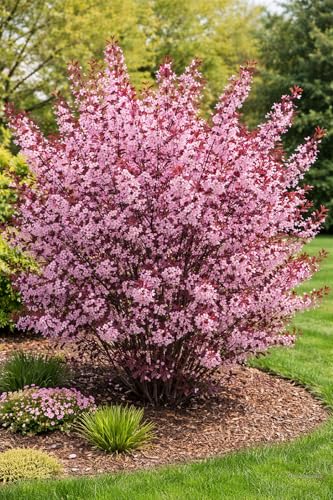
- Beautiful Pink Spring Blossoms – Sand Cherry produces masses of delicate light pink flowers in...
- Striking Purple Foliage – Features rich burgundy-purple leaves that add bold color and contrast to...
- Perfect Landscape Accent Plant – Ideal for borders, hedges, foundation plantings, or as a colorful...
Imagine a shrub that not only brings vibrant color but also thrives in Colorado’s variable climate. The Purple Leaf Sand Cherry stands out by pairing delicate pink spring blossoms with deep burgundy-purple leaves, creating a rich tapestry of hues that few plants can match in this region.
This ornamental shrub offers more than just beauty; it’s a practical solution for outdoor gardens that need resilience. It tolerates partial sun comfortably and adapts to diverse soil types, making it easier to maintain whether you’re a seasoned gardener or just starting.
Perfect as a landscape accent, this bush lends itself well for borders, hedges, or foundation plantings. Its dual-season appeal ensures your garden retains interest from spring’s floral display through the summer with its bold foliage color.
Its hardy nature aligns well with Colorado’s fluctuating temperatures and makes the maintenance manageable without sacrificing visual impact. The Purple Leaf Sand Cherry is a smart choice for enhancing your garden’s color palette while withstanding the local environment.
Best for: Gardeners seeking a hardy, colorful shrub that adds year-round visual interest and adapts well to Colorado conditions.
What We Like:
- Striking contrast of pink blossoms and purple foliage adds unique color to landscapes.
- Cold hardy and adaptable, thriving in partial sun and varied soil types.
- Versatile for borders, hedges, or as a focal point in garden beds.
Specification:
| Specification | User Benefit |
|---|---|
| Sunlight Exposure | Thrives in partial sun, fitting well into many garden locations. |
| Growth Habit | Compact shrub size suits borders or foundation planting without overwhelming space. |
| Cold Hardiness | Resilient to Colorado’s temperature swings, reducing risk of damage. |
| Flower Color | Light pink blossoms provide a gentle springtime highlight in gardens. |
| Foliage Color | Deep purples enhance visual interest throughout the growing season. |
5. Juniper Blue Chip Shrubs | Low-Maintenance, Drought-Tolerant Evergreen Ground Cover for Colorado Gardens

- Evergreen Ground Cover – Low-growing, spreading habit forms a dense mat, perfect for erosion...
- Striking Blue Foliage – Features silvery-blue foliage that retains its vibrant color year-round...
- Drought-Tolerant & Hardy – Thrives in full sun and well-drained soil, requiring minimal water once...
Many gardeners underestimate the power of ground cover when planning landscapes in Colorado’s varied climate. The Juniper Blue Chip offers a unique solution that combines beauty and function with its dense, spreading growth.
This shrub stands out with its striking silvery-blue foliage that remains vibrant year-round, creating a cool contrast against typical garden greens. Its low-growing habit forms a lush mat, making it perfect for tackling erosion on slopes or enhancing rock gardens.
Designed for durability, the Blue Chip excels in full sun and thrives with minimal water. This means once established, it demands less effort while contributing to sustainable landscaping—a crucial factor for Colorado’s dry spells.
Maintenance is straightforward as it requires little trimming, keeps its shape naturally, and fits well along pathways, retaining walls, or as a foundation plant. It’s an excellent choice for those looking to add texture and depth without complicated care.
Overall, this evergreen ground cover combines toughness with aesthetic appeal, offering a practical way to enrich Colorado landscapes.
Best for: Homeowners and landscapers seeking a resilient, low-maintenance evergreen ground cover suited for dry, sunny Colorado environments.
What We Like:
- Year-round silvery-blue foliage adds unique color contrast
- Spreads densely to control erosion effectively
- Drought-tolerant once established, reducing irrigation needs
- Minimal maintenance required for sustained beauty
- Versatile use in slopes, rock gardens, and borders
Specification:
| Specification | User Benefit |
|---|---|
| Evergreen Ground Cover | Keeps landscape green and attractive through all seasons |
| Silvery-Blue Foliage | Offers a unique color that enhances visual interest in gardens |
| Drought Tolerance | Reduces water use, ideal for Colorado’s dry conditions |
| Spreading Growth Habit | Helps stabilize soil and prevent erosion on slopes |
| Full Sun Requirement | Thrives in Colorado’s sunny climate for healthy growth |
| Low Maintenance Needs | Saves time and effort in garden care |
| Versatility in Landscaping | Works well in rock gardens, pathways, and border areas |
6. Purple Daydream Loropetalum – Compact Evergreen Shrub with Vibrant Purple Foliage and Pink Spring Blooms
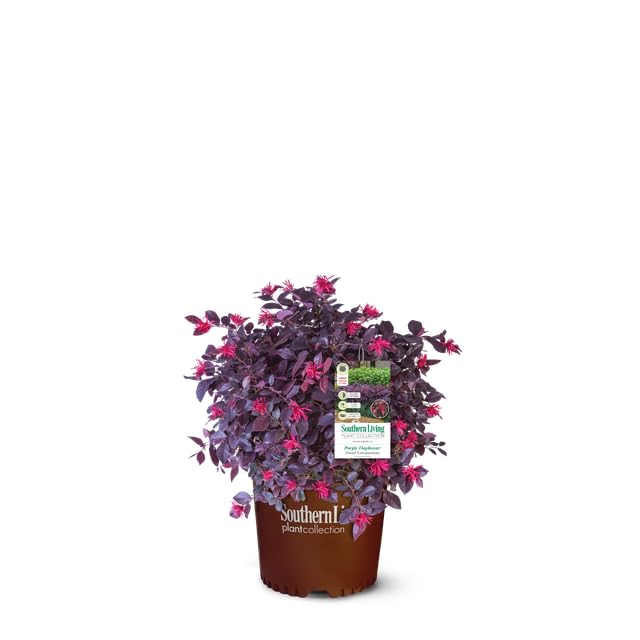
- VERSATILE PLANTING: Thrives in both full sun and partial shade conditions, making it adaptable to...
- COMPACT SIZE: Perfect dwarf evergreen shrub for small spaces, borders, and container gardens with...
- YEAR-ROUND COLOR: Features striking dark purple foliage that maintains its rich color throughout all...
The Purple Daydream Loropetalum challenges the usual notion that beautiful, year-round interest in Colorado gardens demands high maintenance or bulky growth. This compact evergreen shrub fits neatly into smaller spaces while offering a blast of color through its deep purple leaves that hold their shade through every season.
Ideal for spots that receive full sun or partial shade, this shrub adapts well to Colorado’s varied light conditions, providing flexibility in landscaping choices. Its striking dark pink flowers appear in spring, creating a seasonal highlight that complements the vivid foliage.
Beyond aesthetics, this shrub excels in durability. It’s naturally drought-tolerant and deer-resistant, which means less fuss and fewer worries for gardeners facing Colorado’s dry spells and local wildlife. With moderate watering needs and easy pruning after blooming, it stays manageable without sacrificing visual impact.
Designed for well-draining, acidic soils common in the region, this plant thrives best when protected from harsh winter winds yet remains a resilient choice. Its neat mounding size tops out around two feet, making it perfect for containers, borders, or compact garden beds where space is limited.
Best for: Homeowners seeking a low-maintenance, colorful shrub that fits small garden spaces and withstands Colorado’s climate challenges.
What We Like:
- Striking purple foliage offers year-round color contrast
- Adaptable to full sun and part shade environments
- Drought-tolerant and naturally resistant to deer damage
- Compact size suitable for small areas and container planting
- Vibrant pink spring flowers add seasonal interest
Specification:
| Specification | User Benefit |
|---|---|
| Sunlight Exposure | Thrives in both full sun and partial shade, providing planting flexibility |
| Plant Height | Compact 2-foot size ideal for small spaces and container gardening |
| Soil Type | Prefers well-draining acidic soil suited for regional conditions |
| Moisture Needs | Moderate watering requirements ease maintenance |
| USDA Hardiness Zone | Zones 7-10 accommodate Colorado’s varied elevations |
| Blooming Period | Produces dark pink flowers in spring for seasonal color |
| Special Features | Drought-tolerant and deer-resistant for durable outdoor use |
7. Southern Living Orange Rocket Barberry Shrub – Vibrant Foliage for Colorado Gardens
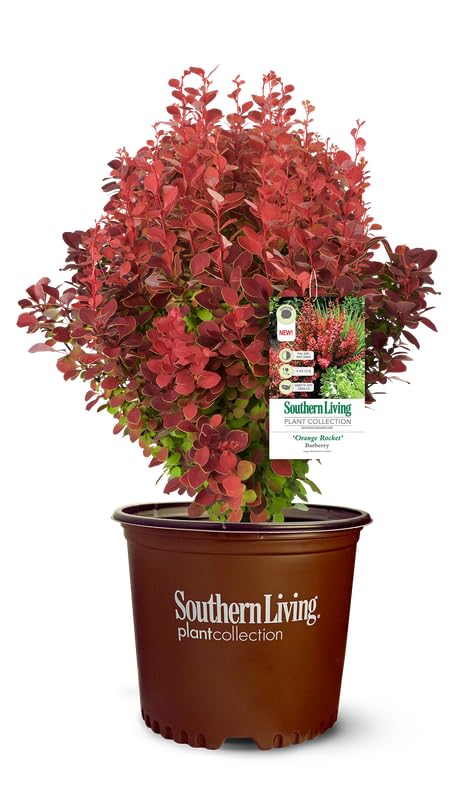
- VIBRANT FOLIAGE: Features striking coral-orange leaves that transform to deep ruby red in autumn...
- COMPACT SIZE: Perfect for small spaces and container gardening, this deciduous shrub maintains a...
- VERSATILE USE: Ideal for borders, hedges, foundation plantings, or as a dramatic focal point in...
Choosing the best shrubs for Colorado demands more than just beauty—it requires a plant that withstands variable weather and elevation challenges. The Southern Living Orange Rocket Barberry offers an unexpected visual delight with its glowing coral-orange leaves that mature into a rich ruby red by autumn. This color transformation brings continuous interest to your outdoor spaces beyond the typical green hedge.
This shrub’s compact form fits perfectly into smaller gardens or containers, making it an excellent option for Colorado homeowners who want bold color without overwhelming space. Its dense growth habit also works well as a neat, manageable hedge, lending structure to landscape borders.
Designed for year-round appeal, the Orange Rocket thrives in partial shade to full sun, tolerating Colorado’s intense sunlight and cool shadows alike. Its seasonal color shifts help gardens stay dynamic during most of the growing year.
Maintaining this barberry doesn’t demand extraordinary effort. Regular watering to keep soil moist and pruning after flowering ensure it stays vibrant and healthy. Plus, its ability to grow in clay soil and USDA zones 5 to 9 means it’s well-suited to many Colorado locations.
Best for: Gardeners in Colorado seeking a colorful, low-maintenance shrub to brighten small outdoor spaces or container arrangements.
What We Like:
- Striking color shift from coral-orange to ruby red adds seasonal interest
- Compact and dense growth ideal for small gardens and hedges
- Adaptable to partial shade and full sun environments
- Thrives in clay soils typical of many Colorado gardens
- Easy maintenance with simple pruning and watering needs
Specification:
| Specification | User Benefit |
|---|---|
| USDA Hardiness Zone 5-9 | Survives Colorado’s diverse climates across elevations |
| Expected Plant Height: 4 feet | Fits compact garden spaces without overcrowding |
| Sunlight: Partial Shade to Full Sun | Flexible placement options depending on garden light |
| Soil Type: Clay Soil | Performs well in common Colorado soil types |
| Growth Habit: Compact, Dense | Easy to shape for hedges and border use |
| Blooming Period: Spring | Provides early-season interest before leaf color changes |
| Maintenance: Regular Watering and Pruning | Keeps plant healthy and vibrant with routine care |
8. 1g Proven Winners North Star Boxwood Shrub – Durable Evergreen for Colorado Gardens

- Thrives in USDA zones 5-9
- Grows to mature size 24-32 in. W x 24-32 in. H
- Full sun to partial shade
If you think evergreen shrubs can’t offer both elegance and easy care in Colorado’s often challenging climate, the North Star Boxwood is about to change that view. This shrub thrives where many others struggle, adapting well to the varied zones of Colorado.
With a mature size compact enough for borders yet lush enough to create privacy hedges, it fits seamlessly in many landscape designs. Its evergreen nature means the green interest lasts year-round, even through snowy spells.
This Proven Winners variety is low maintenance, requiring just regular watering and spots from full sun to partial shade. Planting is straightforward—dig a hole wider than the pot, set it slightly above soil grade, backfill, and mulch to help retain moisture and protect roots.
As a hardy shrub suitable for USDA zones 5 to 9, it tolerates Colorado’s elevation and temperature swings well. Whether used in containers or as accents, it brings a neat, natural texture that enhances curb appeal without demanding constant pruning or care.
Best for: Gardeners seeking an enduring, low-maintenance evergreen shrub suited to Colorado’s diverse outdoor conditions.
What We Like:
- Maintains vibrant green color year-round in challenging climates.
- Compact growth ideal for borders, hedges, and container planting.
- Low water needs once established, reducing upkeep effort.
- Adapts well to both full sun and partial shade planting sites.
Specification:
| Specification | User Benefit |
|---|---|
| USDA Hardiness Zones 5-9 | Survives Colorado’s cold winters and warm summers reliably |
| Evergreen | Provides consistent garden structure and color throughout the year |
| Mature Size 24-32 in. W x H | Fits well in smaller spaces and formal landscape designs |
| Sunlight Exposure: Full sun to partial shade | Flexible planting options to suit different yard conditions |
| Low Maintenance | Requires minimal pruning and care, saving time and effort |
| Regular Watering Needs | Simple watering schedule easy to maintain in Colorado |
| Organic Material | Environmentally friendly choice for sustainable gardening |
9. Golden Nugget Dwarf Japanese Barberry – Vibrant Yellow Shrub for Colorado Gardens

- PREMIUM NURSERY GROWN: Arrives established with healthy root development to help your plant thrive...
- YELLOW SPRING BLOOMS: Small yellow flower clusters appear in spring and add a subtle seasonal accent...
- GOLDEN YELLOW FOLIAGE: Orange new growth matures to bright golden yellow on a dense, compact mound...
Choosing the right shrub for Colorado’s climate can be tricky, especially when you want vibrant color without demanding maintenance. The Golden Nugget Dwarf Japanese Barberry offers a unique solution with its striking golden-yellow foliage that transforms your landscape with warm, vivid hues.
This shrub thrives best in full sun and adapts well to well-drained sandy soils common in many Colorado areas. Unlike many plants struggling to tolerate harsh or fluctuating weather, it delivers consistent beauty while growing a compact, dense mound roughly 3 feet tall and 4 feet wide. Its low profile suits foundation plantings, borders, or grouped landscape accents perfectly.
Adding to its appeal, it produces small yellow flower clusters in spring, offering a subtle but charming seasonal highlight above the bright foliage. Though it prefers USDA Zones 4-8, its drought tolerance and ease of upkeep make it practical for many Colorado gardeners who value resilience alongside aesthetics.
Established nursery-grown stock ensures strong root development, giving you a healthier start and better survival rate after planting. To maintain its vivid colors and overall health, the Golden Nugget shrub requires minimal care—mainly well-drained soil and occasional watering during dry spells.
Best for: Gardeners in Colorado seeking colorful, low-maintenance shrubs for full sun locations with well-draining soil.
What We Like:
- Bright golden-yellow foliage adds lasting color through warm seasons
- Compact growth habit fits small to medium garden spaces
- Spring yellow blooms enhance seasonal interest subtly
- Well-established root system promotes healthy growth
- Adaptable to various well-drained soils common in the region
Specification:
| Specification | User Benefit |
|---|---|
| Plant Type | Dwarf Japanese Barberry for manageable size and vivid color |
| Growth Size | 3′ tall and 4′ wide ensures suitability for diverse garden spaces |
| Sunlight Exposure | Full sun preference matches many Colorado garden sites |
| Soil Type | Thrives in sandy, well-drained soils common in the area |
| Bloom Time | Spring blooms add a gentle floral accent to the landscape |
| Foliage Color | Golden-yellow provides year-long visual appeal especially in warm months |
| Care Requirements | Low maintenance needs reduce gardening effort |
10. Amelanchier alnifolia (Saskatoon Serviceberry) – Versatile Shrub for Colorado Gardens (3-Pack, 5″ pots)

- Saskatoon Serviceberries are chameleons; their shape and height change to match the habitat. Since...
- If planted in drier climates such as Western Colorado, they are considered a shrub and grow...
- It should also be noted that Serviceberries are an important species for reclamation, wildlife...
Finding the best shrubs for Colorado isn’t just about choosing plants that survive—it’s about selecting those that thrive in the state’s unique climate. The Saskatoon Serviceberry, or Amelanchier alnifolia, adapts effortlessly from dry mountain slopes to rocky streamsides, changing its form to suit the environment.
In Colorado’s drier regions, these shrubs mature between 4-8 feet tall, offering flexible growth that fits naturally into your landscape. They’re resilient across various soil types, favoring a neutral to acidic pH, and need little to no supplemental watering once established.
This multi-stemmed shrub is fast-growing and spreads through underground suckers, often forming healthy thickets. It brings visual interest with delicate white flowers in early spring and a bountiful harvest of berries that attract a diverse range of birds, adding both beauty and wildlife value to your garden.
Beyond aesthetics, Saskatoon Serviceberries are valuable for ecological restoration, providing shelter and nourishment for wildlife. Whether planted as a hedge, an ornamental shrub, or part of a natural reclamation project, this versatile plant supports sustainable landscaping in Colorado’s demanding environments.
Best for: Gardeners seeking durable, adaptable shrubs that offer ornamental charm and support native wildlife in Colorado’s varied terrains.
What We Like:
- Highly adaptable to different soil types and moisture levels
- Supports local wildlife by providing berries and nectar
- Fast-growing with natural thicket-forming ability
- Attractive early spring flowers add seasonal interest
- Requires minimal watering once established
Specification:
| Specification | User Benefit |
|---|---|
| Sunlight Exposure | Thrives in full sun to maximize growth and berry production |
| USDA Hardiness Zone | Survives in cold climates down to zone 3, suitable for most Colorado regions |
| Moisture Needs | Needs little to no watering, ideal for water-conscious landscapers |
| Growth Habit | Grows as either shrub or small tree depending on environment, offering planting flexibility |
| Plant Size | Reaches 4-8 feet in dry climates, easily managed for hedges or borders |
Exploring Varied Best Shrubs For Colorado With Essential Growth Traits
| Product Name | Sunlight Exposure | Expected Plant Height | Soil Type | Moisture Needs |
|---|---|---|---|---|
| Blue Rug Juniper Ground Cover | Full Sun | 60 centimeters | Sandy Soil | Water |
| American Plant Exchange Texas Sage | Full Sun | Up to 8 feet (approximate height) | Not specified | Moderate Watering |
| Orange Rocket Barberry | Full Sun | 48 inches | Loam Soil | Little To No Watering |
| Purple Leaf Sand Cherry | Partial Sun | Not specified | Not specified | Not specified |
| Juniper Blue Chip Ground Cover | Full Sun | Not specified | Not specified | Not specified |
| Purple Daydream Loropetalum | Full Sun to Part Shade | 2 feet | Well-draining Acidic Soil | Moderate Watering |
| Southern Living Orange Rocket Barberry | Partial Shade To Full Sun | 4 feet | Clay Soil | Not specified |
| Proven Winners North Star Boxwood | Full Sun | 8 inches | Not specified | Regular Watering |
Choosing the Right Shrubs for Colorado Gardens: What Really Matters?

The journey to finding the best shrubs for Colorado doesn’t start with appearances alone but with understanding the unique challenges posed by the state’s climate and soil. From drought resistance to size and seasonal interest, several factors make or break a shrub’s success here.
Sunlight Requirements and Adaptability
Sunlight exposure is a defining factor in selecting shrubs because it directly affects photosynthesis, growth, and overall plant health. Colorado’s mix of intense sun and shaded areas means some plants thrive in full sun, while others need partial shade to survive. For example, Blue Rug Juniper thrives under full sun, while Purple Leaf Sand Cherry prefers partial sun, showcasing how vital this factor is.
Technically, the amount of sunlight affects chlorophyll production and energy storage. Plants adapted to full sun like the Orange Rocket Barberry develop thicker, waxier leaves to minimize water loss, while partial shade shrubs like Purple Daydream Loropetalum manage light absorption to prevent leaf scorch. This physiological adaptation defines a plant’s health and symmetry in your garden.
Ignoring sunlight needs causes symptoms like leaf burn, stunted growth, or weakening that make shrubs vulnerable to disease and frost. Choosing a shrub without considering its sunlight preference often results in poor longevity and increased maintenance, wasting time and resources.
Soil Compatibility and Drainage
Soil type impacts root health, nutrient uptake, and water retention, making it a critical factor when choosing shrubs for Colorado’s diverse terrain. Plants like Blue Rug Juniper prefer sandy soil where drainage is rapid, helping avoid root rot in wetter seasons. Conversely, Southern Living Orange Rocket Barberry can tolerate heavier clay soils, important for gardeners with less sandy plots.
From a technical perspective, well-draining soils prevent waterlogging, which deprives roots of oxygen. Sandy soils, with their large particles, allow quick water percolation, suiting drought-tolerant species. Clay soils hold moisture longer but may compact around roots, challenging oxygen access. Matching shrub root systems to compatible soil textures allows better nutrient diffusion and anchor strength.
Overlooking soil type leads to poor root establishment, nutrient deficiencies, and may cause shrubs to fail prematurely. Planting a species in incompatible soil often requires expensive remediation or more water input, undermining sustainability goals in Colorado’s often fragile landscapes.
Drought Tolerance and Water Needs
With Colorado’s frequent dry spells, drought tolerance becomes a make-or-break shrub characteristic. It determines how well a shrub survives prolonged periods without supplemental watering. Plants like the Blue Rug Juniper and Texas Sage excel here, using deep roots and waxy leaves to retain moisture efficiently.
At a physiological level, drought-tolerant shrubs reduce transpiration through specialized leaf morphology and stomatal control, conserving precious water. Xerophytes develop thicker cuticles and sometimes hairy leaf surfaces, reducing evaporation. This adaptive behavior enables them to sustain metabolic functions under moisture stress, a must in Colorado’s semi-arid zones.
Ignoring drought tolerance results in shrubs that wilt, shed leaves, or become susceptible to pests. Water-intensive plants increase maintenance costs and strain local water supplies, clashing with Colorado’s growing preference for water-wise gardening.
Plant Size and Growth Habit
Choosing the right shrub size and shape matters for fitting the plant harmoniously into your available space and garden design. Compact shrubs like Purple Daydream Loropetalum, which grows to about 2 feet, suit smaller gardens or containers. Taller varieties like Texas Sage, reaching up to 8 feet, serve well as privacy screens or focal points.
The growth habit—from ground cover to upright form—affects light interception, air circulation, and ease of pruning. Densely spreading shrubs like Juniper Blue Chip form lush mats controlling erosion, while upright cultivars like Orange Rocket Barberry define borders efficiently. Planting the appropriate size prevents overcrowding and ensures proper airflow, reducing disease risk.
Failing to consider shrub size can lead to overcrowding, excessive pruning, or an unbalanced garden aesthetic. Overgrown plants can also shade out neighboring flora or block pathways, defeating the purpose of intentional plant placement.
Seasonal Interest and Visual Appeal
The best shrubs for Colorado combine resilience with extended aesthetic appeal through color changes, flowers, or unique foliage. For instance, Orange Rocket Barberry offers fiery orange to burgundy hues seasonally, while Purple Leaf Sand Cherry boasts pink blossoms against deep purple leaves, keeping your garden vibrant beyond summer.
Botanically, seasonal interest comes from pigment changes in chlorophyll, anthocyanins, and carotenoids, influenced by temperature shifts and daylight changes. Flowering shrubs develop blooms timed to pollinator activity, adding ecological value. Choosing shrubs with multi-season appeal maximizes visual returns on minimal maintenance.
Neglecting seasonal interest results in dull, monotonous gardens, especially during winter months when many shrubs are dormant. A lack of color and texture diversity diminishes a garden’s year-round charm and can reduce its psychological benefits for homeowners.
Cold Hardiness and Elevation Suitability
Colorado’s elevation ranges dramatically, exposing plants to varying cold extremes that affect survival. Cold hardiness defines how low temperatures a shrub can tolerate without cellular damage. For example, Texas Sage withstands colder zones unexpectedly well and remains evergreen in many areas, while some tropical-looking shrubs struggle even at moderate elevations.
Freezing injury occurs when ice crystals disrupt plant cell membranes. Cold-tolerant shrubs adapt by producing antifreeze proteins and altering membrane lipid composition to prevent crystallization. Selecting species matched to your specific USDA hardiness zone and elevation ensures that cold snaps don’t kill your investment.
Disregarding cold hardiness leads to dead or weakened plants that require replacement. This oversight is costly and discouraging, especially in exposed mountain gardens or areas with unpredictable frosts common in Colorado’s climate.
Wildlife Attraction and Ecosystem Benefits
Beyond just looking good, some shrubs like American Plant Exchange Texas Sage entice pollinators such as hummingbirds and bees, enriching local biodiversity and promoting a healthier garden ecosystem. Choosing shrubs with ecological functions adds value beyond aesthetics and supports regional wildlife resilience.
The mechanism involves floral nectar and pollen production that provides nutrition for pollinators. Shrubs with tubular flowers or colorful blooms, like Texas Sage’s pink-to-purple clusters, facilitate specialized bird and insect pollination behaviors. This active interaction supports local food webs and enhances garden vitality.
Ignoring wildlife benefits turns gardens into sterile spaces without pollinator support. This can reduce fruit set in edible plants nearby and diminish overall environmental health. Including wildlife-friendly shrubs creates a dynamic garden that contributes positively to the surrounding ecosystem.
Frequently Asked Questions
Which shrubs are most drought-tolerant for Colorado gardens?
Drought tolerance is vital because Colorado’s dry periods can stress many plants. Shrubs like Blue Rug Juniper and Texas Sage handle low water conditions well, maintaining appearance with minimal irrigation. The Blue Rug Juniper thrives in sandy soils with full sun and little maintenance.
Texas Sage adds color and attracts pollinators while enduring colder temperatures uncommon for drought-tolerant plants. This versatility makes it great for diverse garden needs.
Choose shrubs with proven drought tolerance and amend soil to improve water retention, reducing stress during dry spells.
What size shrubs work best in small Colorado gardens?
Compact shrubs that fit limited spaces without overwhelming them are ideal. The Purple Daydream Loropetalum reaches around 2 feet tall and offers vibrant purple foliage plus spring blooms, perfect for small yards or containers. Similarly, North Star Boxwood remains under a foot tall.
These smaller varieties provide color and structure without requiring large areas or extensive pruning, fitting well near walkways or patio edges.
Focus on mature plant height when selecting shrubs to avoid crowding and to ensure long-term harmony in confined spaces.
Can evergreen shrubs thrive year-round in Colorado’s climate?
Evergreens suited for Colorado provide year-round greenery and structure. The Juniper Blue Chip and North Star Boxwood are evergreen options retaining foliage through winter’s cold and snow. Their tough nature keeps landscapes lively even in off-seasons.
Junipers often handle full sun and drought, making them resilient choices. Boxwoods provide dense growth ideal for privacy screens or borders despite the state’s temperature swings.
Locate evergreens in sheltered spots against harsh winter winds to protect foliage and maintain fullness longer.
Which shrubs offer the best seasonal color variation in Colorado?
Many gardeners value shrubs with changing hues or blossoms. Orange Rocket Barberry provides fiery orange-red foliage that deepens to burgundy, keeping gardens vibrant across seasons. The Purple Leaf Sand Cherry combines deep purple leaves with delicate pink spring flowers for dynamic contrast.
These shrubs enhance visual interest far beyond plain green, giving your garden dimension and personality.
Pair colorful shrubs with neutral plants to balance bold seasonal changes and avoid visual overload.
Are there shrubs that attract pollinators suitable for Colorado’s environment?
Plants that support bees and hummingbirds add life and ecological benefit. The American Plant Exchange Texas Sage presents tubular pink to purple flowers that attract pollinators, creating a lively garden atmosphere. Its ability to thrive in colder conditions is a bonus for Colorado.
Pollinator-friendly shrubs encourage biodiversity and often lead to better fruit or seed production in nearby plants.
Plant these shrubs near vegetable patches or fruit trees to improve overall garden productivity naturally.
Optimal Shrubs for Colorado Gardens
Choosing the right shrubs designed for Colorado’s harsh climate makes a significant difference in landscape success. These plants thrive despite temperature extremes and sporadic rainfall, providing both resilience and aesthetic value. Species like the Blue Rug Juniper stand out for their reliable performance and enduring appeal.
Gardeners aiming for drought-tolerant landscapes will find native shrubs such as barberries and junipers highly suitable. Those seeking vibrant seasonal color may opt for Texas Sage or Purple Leaf Sand Cherry. For smaller spaces, compact options like North Star Boxwood offer an elegant solution without overcrowding.
Before planting, evaluate your soil conditions to ensure compatibility, and be mindful that overwatering harms many drought-adapted species. Starting with healthy plants and allowing sufficient space encourages long-term growth and vitality in your Colorado garden.
Last update on 2026-10-08 / Affiliate links / Images from Amazon Product Advertising API


