
Best Oscillating Blade for Concrete: Top Picks for Perfect Cuts
Snapping, chipping, and burring blades can ruin a concrete cutting job. You fumble with dull edges that chew the surface instead of slicing cleanly. The grind slows, accuracy dies, and frustration mounts as each blade heats up or breaks down prematurely.
EZARC Diamond Oscillating Saw Blades use diamond grit edges to extend blade life and keep cuts razor-sharp. Bosch OSL114CG blends carbide grit with a grinding-rasping combo for tackling tough concrete surfaces fast.
Arrow OSC4MT-1 fits tight spaces with a segmented diamond grit design helping guide precise plunge cuts along edges without overcutting. It’s a specialist for detail work where control beats pure speed.
Durable and Precise Oscillating Blades for Concrete Cutting
Concrete cutting demands blades that combine durability with precision. Sharpness retention and smooth performance minimize downtime and maximize control. Selecting the right oscillating blade transforms tough jobs into efficient, clean cuts.
1. EZARC Diamond Oscillating Saw Blades for Concrete and Grout – 3-Pack

- 【Diamond Cutting Edge】This premium long lasting flush cutting diamond oscillating saw blade has...
- 【Precise & Clean Cut】 Diamond grit edge has a kerf approx. 1/16 inch (1.6 mm), which can achieve...
- 【Design for Tough】This diamond oscillating multi tool blade is used to remove defective tile...
Cutting concrete or grout with an oscillating tool is tricky, especially when sharp, clean lines are critical. The EZARC Diamond Oscillating Saw Blades offer a unique solution with their diamond grit edge that lasts significantly longer than typical carbide blades. This means you spend less time swapping blades mid-project and more time on precise cutting.
These blades deliver a remarkably clean and accurate kerf of about 1/16 inch, crucial when working on detailed tile grout or mortar removal. Their slim design lets them work flush and right into corners without damaging surrounding surfaces, which can be a challenge for bulkier blades.
Built to handle tough materials, these oscillating saw blades excel at scraping out defective tile grout or cleaning up mortar and plaster, even on porous concrete. Their robustness shines during bathroom renovations or flooring projects where careful material removal is a must.
Maintenance is straightforward thanks to durable diamond edges that resist rapid wear. Plus, the package includes adapters compatible with most popular oscillating tool brands, improving versatility across tools you might already own. However, due to the hardness of diamond grit, it’s best to avoid using excessive force to preserve blade life.
Best for: Professionals and experienced DIY users needing precise, long-lasting blades to cut and remove grout, mortar, or porous concrete with an oscillating tool.
What We Like:
- Diamond cutting edge lasts up to five times longer than carbide grit blades
- Extremely slim 1/16-inch kerf enables clean, precise flush cuts
- Designed to reach tight corners and edges without surface damage
- Works well on grout, mortar, plaster, and porous concrete surfaces
- Includes adapters for broad compatibility with oscillating multitool brands
Specification:
| Specification | User Benefit |
|---|---|
| Diamond Cutting Edge | Stays sharp longer for fewer blade changes during tough jobs |
| 1/16-Inch Kerf Thickness | Allows precise and clean cuts with minimal removal of material |
| Material Compatibility | Works effectively on grout, mortar, plaster, and porous concrete |
| Universal Fit Adapters | Fits most major oscillating tools for versatile use |
| Blade Count (3-Pack) | Provides multiple blades for extended projects or replacements |
| Blade Length 3.5 inches | Offers good reach into grout lines and narrow spaces |
2. Bosch OSL114CG Starlock Carbide Grit Oscillating Blade for Concrete
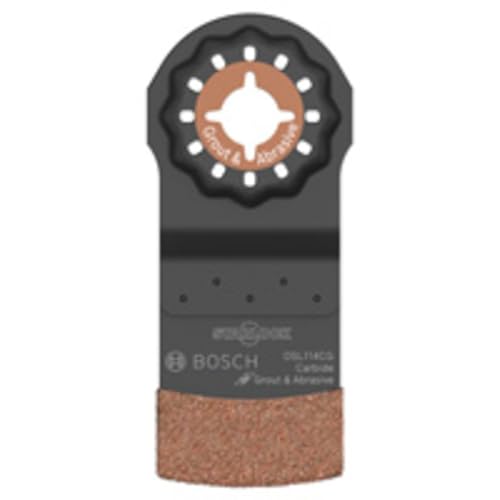
- Two-in-one design for both grinding and rasping
- Color coded interface and laser etched blade to quickly identify the right blade
- Starlock interface for professional performance, also works with OIS compatible tools including...

Cutting concrete with standard oscillating blades often ends in frustration—a dull blade or slow progress. The Bosch OSL114CG breaks that cycle by combining grinding and rasping in a single tool, designed for concrete’s toughest surfaces.
This blade uses a durable carbide grit coating to handle abrasive materials without wearing down prematurely. Its precision Swiss manufacturing ensures consistent performance and clean cuts, reducing the need for multiple blade changes on a job.
Thanks to the Starlock mounting system, it fits tightly to your oscillating tool, delivering power efficiently and reducing vibration. This design also makes swapping blades quick, helping you stay productive without annoying tool readjustments.
Color-coded and laser-etched markings make identifying this blade easy among a busy toolkit — a small but practical feature that saves time. Designed for professionals but versatile enough for serious DIYers, its cutting edge holds up through tough jobs, easing the strain of concrete work.
Best for: Professionals and DIY users needing a robust, precise oscillating blade built to cut concrete and similar abrasive materials effectively.
What We Like:
- Two-in-one grinding and rasping blade cuts and smooths in one tool
- Starlock interface for a secure fit and compatibility with top oscillating tools
- Laser-etched and color-coded for quick blade identification
- Swiss precision manufacturing for long-lasting sharpness
- Carbide grit surface excels on abrasive materials like concrete
Specification:
| Specification | User Benefit |
|---|---|
| Blade Size: 1-1/4 inch | Compact size suitable for precise cuts and tight spots |
| Material: Carbide grit | Durable surface that maintains sharpness on abrasive concrete |
| Mounting: Starlock interface | Ensures a stable, vibration-reducing fit with many oscillating tools |
| Blade Design: Two-in-one (grind and rasp) | Combines cutting and smoothing functions to save tool changes |
| Manufacture: Swiss precision made | Delivers consistent quality and reliable performance on tough materials |
| Color Coding & Laser Etching | Quick blade identification to reduce jobsite confusion |
3. Arrow OSC4MT-1 Diamond Grit Oscillating Tool Blade for Precise Concrete and Tile Cutting
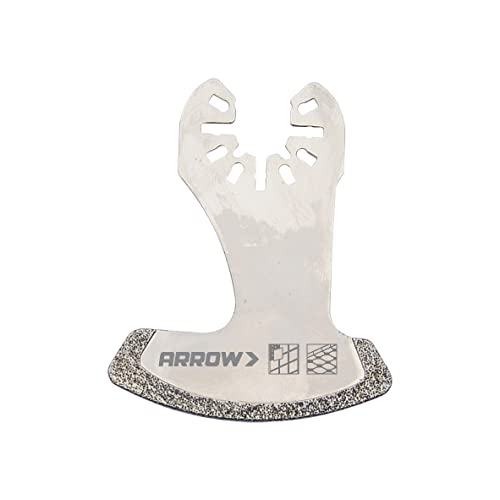
- CUTTING PROJECTS MADE EASY: Arrow Diamond Grit Segment Boot Blades are perfect for removing stubborn...
- 2-1/4” BLADE: The strong blade is ideal for precise and clean plunge cuts for brick mortar and...
- DIAMOND GRIT CONSTRUCTION FOR DURABILITY: These blades feature diamond grit coating on the cutting...
Cutting through concrete and tile grout is often a challenge, especially when precision is key. This Arrow Diamond Grit Oscillating Tool Boot Saw Blade tackles that challenge head-on, enabling clean and controlled cuts where other blades struggle.
The 2-1/4” blade size fits comfortably in tight spaces, allowing you to plunge cut brick mortar and grout with accuracy. Its segmented design excels at working along edges and corners without causing accidental overcuts, which is essential in delicate tile repair or replacement jobs.
Durability is built into this blade with a diamond grit coating along its cutting edge. This coating not only enhances cutting power but also extends the blade’s life when slicing through plaster, manufactured stone, and concrete, reducing the need for frequent blade swaps during tough jobs.
Thanks to the universal open-back connector, this blade fits most oscillating multitools, so you won’t need to worry about tool compatibility. It’s a practical addition to your toolkit, especially when paired with other Arrow accessories designed for heavy-duty jobs.
Best for: Professionals or DIYers needing a precise oscillating blade to work on brick mortar, tile grout, and concrete joints in tight spaces.
What We Like:
- Diamond grit coating provides extended blade durability and strength.
- Segmented blade design enables accurate plunge cuts in corners and edges.
- Universal-fit open-back connector for compatibility with most multitools.
- Ideal size for detailed tile grout and brick mortar removal without damage.
Specification:
| Specification | User Benefit |
|---|---|
| 2-1/4 inch blade size | Fits tight spaces for precise cuts in grout and mortar. |
| Diamond grit coating | Enhances cutting efficiency and extends blade life on tough materials. |
| Segmented blade shape | Allows controlled cutting near edges without overcutting. |
| Universal open-back connector | Works with most oscillating multitools for broad compatibility. |
| Lightweight design (1.3 ounces) | Reduces user fatigue during prolonged cutting tasks. |
Top Oscillating Blades For Concrete With Precise Specifications And Cutting Features
| Product Name | Material | Blade Size / Dimensions | Special Feature | Compatibility |
|---|---|---|---|---|
| EZARC Diamond Flush Cut | Diamond | 3.5″ L x 1.42″ W, 1.6 mm thick | 1/16 inch kerf, 5x life vs carbide grit | Most oscillating multi-tools with adapters |
| Bosch Starlock Carbide Plunge | Carbide | 1-1/4 inch blade | Two-in-one grinding and rasping design | Starlock & OIS compatible tools |
| Arrow Diamond Grit Boot Saw | Diamond grit coating | 2-1/4 inch blade | Segmented shape for corners and edges | Universal-fit open-back connector |
What Makes the Best Oscillating Blade for Concrete Stand Out?

Finding the right oscillating blade for concrete requires balancing toughness, precision, and compatibility. Not all blades handle the abrasive nature of concrete the same, so knowing what features to prioritize can save time and frustration.
Different blades excel at different concrete tasks — from grout removal to plunge cuts — making certain specs critical in performance and longevity.
Blade Material: Diamond vs. Carbide Grit
The blade material determines both durability and cutting efficiency. Diamond grit blades embed tiny super-hard diamond particles along the cutting edge, creating a surface that’s incredibly resistant to wear while tackling tough concrete and grout. Carbide grit blades use tungsten carbide particles, a bit softer than diamond but usually more affordable and still very effective.
Diamond grit blades, like the EZARC 3.5″ flush cut blade, offer a cutting edge that lasts about five times longer than typical carbide grit models. Carbide grit blades, such as the Bosch Starlock’s version, combine grinding and rasping actions suited for abrasive concrete surfaces but may dull faster under heavy use.
Choosing a lower-quality or ill-suited material risks rapidly dulling the blade, resulting in slower cuts, greater tool strain, and frequent blade swaps that extend project time and increase costs.
Blade Size and Thickness: Precision Meets Accessibility
Blade dimensions affect both the level of cut control and the ability to work in confined or detailed areas. A thinner, narrower blade like the EZARC’s 1.6 mm thick, 3.5-inch blade provides cleaner lines with a tight 1/16 inch kerf, great for delicate grout or tile work requiring fine precision. Smaller blade sizes, like the Bosch’s 1-1/4 inch blade, are ideal for plunge cuts in tight spots.
Thickness also influences heat dissipation; thicker blades tend to withstand heat buildup better but can be less nimble, while thinner blades cut cleaner but may wear out faster under heavy concrete.
Ignoring blade size and thickness for your specific task will often lead to overcuts or imprecise cuts, damaging surrounding materials and forcing rework, which adds hassle and expense.
Cutting Edge Design: Flush Cut, Plunge, or Segmented Shapes
The blade’s shape directly impacts how it handles concrete edges, corners, and flush cuts. Flush cut diamond blades, like the EZARC model, offer clean, flat cuts perfect for trimming along surfaces without gouging. Segmented shapes, such as the Arrow Diamond Grit Boot Saw, excel in reaching and maneuvering around corners and edges where precision is critical.
Bosch’s carbide grit blade stands out with a two-in-one grinding and rasping design, allowing it to both remove material and smooth rough surfaces efficiently in one pass.
Using a blade with the wrong edge style makes controlled cutting difficult, creating rough or uneven surfaces and risking damage to nearby tile or concrete, undermining the quality of the finished work.
Compatibility and Tool Fitment
Compatibility ensures your oscillating blade fits your tool snugly, which is essential for precise and safe cutting. A proper fit eliminates unwanted blade movement that can lead to uneven cuts or accidents.
Many blades, like the EZARC Diamond Flush Cut, use universal adapters making them compatible with most oscillating tools. Bosch’s Starlock system uses a proprietary mount, offering quick changes and a firmer hold. Arrow blades, on the other hand, balance broad compatibility with a universal open-back connector suited for multiple tool brands.
Ignoring tool fitment can cause the blade to wobble or slip, reducing cutting efficiency and increasing risk. Poor fit can also lead to power loss and potentially dangerous blade release, slowing your work and compromising safety.
Cutting Precision and Kerf Width
Cutting precision hinges on the blade’s kerf width — the thickness of material the blade removes during a cut. Narrow kerfs allow for cleaner, more accurate straight lines, essential in grout removal or detailed tile replacement. The EZARC blade, with a 1/16 inch kerf, excels here with less material waste and finer control.
A wider kerf, while sometimes faster in bulk material removal, increases vibration, dust, and the risk of cutting beyond intended boundaries. For tasks like edge finishing and tight grout cuts, precision blades minimize collateral damage.
Ignoring kerf considerations can produce rough, uneven cuts that require additional finishing work and compromise structural and aesthetic outcomes.
Durability and Blade Longevity
Concrete cutting demands blades that resist abrasive wear because concrete contains quartz and other hard aggregates. Blade durability influences how long you can cut before needing replacements and directly impacts overall job efficiency.
Diamond grit blades generally outlast carbide by considerable margins. For example, EZARC’s diamond blade claims about five times the lifespan of a carbide grit blade. This longevity means fewer blade changes, reduced downtime, and a more consistent cutting experience throughout the project.
Neglecting blade durability often results in frequent blade dulling, slow progress, and increased costs from buying replacements or tool damage due to overheating or excessive force.
Frequently Asked Questions
What makes a blade suitable for cutting concrete?
Effective concrete-cutting blades require materials that resist abrasive wear, such as diamond or carbide grit. These materials sustain sharpness and prevent premature dulling when cutting hard surfaces. The design often includes features like a narrow kerf for cleaner cuts.
For example, the EZARC blade boasts a diamond grit edge which lasts up to five times longer than typical carbide. This longevity is essential for projects requiring precision.
Ensure you pair the blade with a compatible oscillating tool to avoid fitting issues and maximize performance.
How does blade size affect cutting concrete with an oscillating tool?
Blade size influences maneuverability and cut depth. Smaller blades, around 1-1/4 to 2-1/4 inches, help reach tight corners and make detailed cuts, whereas larger blades can cover more surface area but are harder to control.
The Arrow OSC4MT-1’s 2-1/4 inch blade is excellent for precise edge work, while the EZARC’s larger 3.5-inch length suits flush cuts on flat surfaces.
Choose blade size based on your project’s complexity and access restrictions for optimal results.
Can I use any oscillating blade on my multi-tool for concrete?
Not every oscillating blade works with all multi-tools because of different mounting systems. Your tool might use interfaces like Starlock, OIS, or an open-back design, which affects blade compatibility.
The Bosch OSL114CG fits Starlock and OIS mounts, ensuring strong attachment and better cutting power. Meanwhile, blades like EZARC can work with more tools if you use the right adapter.
Always verify your tool’s mounting type before buying a blade to prevent compatibility issues and wasted cash.
How important is kerf width when cutting concrete with oscillating blades?
Kerf width is key for getting clean, precise cuts in concrete. Blades with a narrow kerf, such as the EZARC’s roughly 1/16 inch, make smoother edges ideal for detailed work like tile grout lines.
Broader kerfs cut faster but leave rougher edges that often need extra smoothing. This trade-off matters especially on delicate or visible surfaces.
Choose your blade’s kerf width based on finish quality. If you want clean cuts without extra sanding, go with a thin kerf.
What are the signs that an oscillating blade for concrete needs replacement?
Blades that cut slower, create rough or uneven edges, or heat up faster are likely worn out. Carbide grit blades often dull after extensive use, reducing their effectiveness.
Diamond grit blades, such as those from Arrow and EZARC, last longer but should be swapped once the cut quality drops noticeably. Consistent performance decline is a clear indicator.
Replacing blades promptly helps avoid damage to your tool and keeps cuts clean and efficient. Always inspect blades regularly for signs of wear.
Enhancing Concrete Cutting Efficiency
Selecting the right oscillating blade bridges the gap between rough cuts and professional finishes, making concrete work more manageable and precise. A well-chosen blade not only extends tool longevity but also elevates overall project quality by delivering consistently clean cuts.
For heavy-duty tasks, carbide grit blades offer unmatched durability, ideal for large-scale concrete surfaces. Meanwhile, those requiring intricate cuts or working in confined areas will find a segmented blade design better suited for controlled precision and flexibility.
Ensure your blade matches your tool’s specifications to avoid errors, and maintain steady cutting speeds to reduce wear. Be cautious of blade overheating, which can deteriorate performance; integrating cooldown intervals or water can significantly prolong blade life.
Last update on 2026-10-11 / Affiliate links / Images from Amazon Product Advertising API