Best Snowboard Brands That Define Innovation and Style
Stepping onto the snow only to feel your board sluggish during turns or unstable on landings kills the thrill. Lack of responsiveness saps confidence, especially when trying tricks or tackling mixed terrain. That uncomfortable wobble or missed edge can turn excitement into frustration fast.
5th Element’s Men’s Twin Snowboard offers a camber-dominant profile that sharpens edge control for precise carving and lively pops. Lib Tech’s T.Rice Pro combines a C2 rocker/camber design that eases turn initiation and boosts powder float effortlessly.
Nitro’s Prime Raw caters to riders seeking directional versatility with solid switch control. Jones Howler raises the bar with a carbon fiber blend for high power camber responsiveness in demanding, varied conditions.
Distinctive Snowboard Brands Elevating Performance and Style
Mastering your ride demands gear that adapts seamlessly to diverse terrain and riding styles. Selecting the right snowboard empowers you to push limits with confidence and style.
1. 5th Element Men’s Twin Snowboard for Intermediate Freestyle and All-Mountain Riding
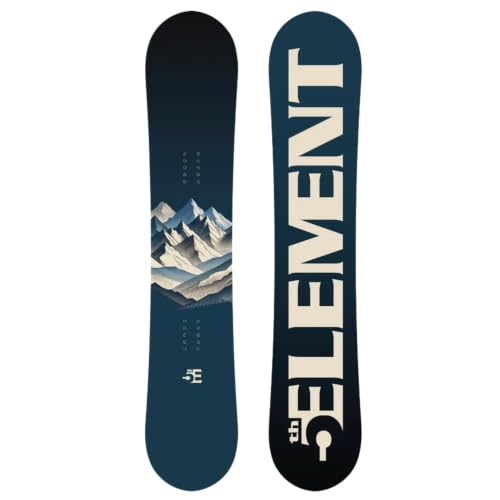
- Camber-dominant profile delivers power, precision, and pop off jumps
- Twin shape supports freestyle progression in park and pipe
- Durable extruded base is easy to maintain and resists damage
Balancing precision and power is crucial when advancing your skills on the slopes. With a camber-dominant profile, this snowboard delivers responsive pop and sharp edge control that enhances your jumping and carving experience. Its twin shape invites creativity, supporting freestyle tricks whether you’re in the park or riding pipes.
Constructed with an extruded base, it offers durability and ease of maintenance, making it a practical choice that holds up against scratches and rough terrains. The mid-level flex rating keeps the board forgiving enough for growing skills while still providing solid support for more aggressive maneuvers.
The board’s compatibility with most bindings and availability in wide sizes ensures a snug fit and comfortable stance for a variety of riders. Favoring intermediate riders, the 5th Element brand integrates thoughtful design elements that push freestyle progression without overwhelming less experienced snowboarders.
Wood construction adds natural responsiveness and a dynamic feel underfoot, contributing to a lively ride that responds well to diverse mountain conditions. Precision handling paired with an intuitive ride lets you focus on improving technique instead of battling your gear.
Best for: Enthusiasts advancing beyond the basics who want a reliable, versatile snowboard to develop freestyle skills and explore all-mountain terrain.
Pros:
- Camber-dominant shape for power and control
- Twin design ideal for park and pipe progression
- Durable, easy-to-maintain extruded base
- Compatible with a range of bindings
- Available in wide sizes for better fit
Cons:
- Moderately stiff flex might challenge complete beginners
- The wood core may add slight weight compared to composite variations
2. Lib Tech T.Rice Pro Snowboard by Travis Rice – High-Performance All-Mountain & Freestyle Board

- Freestyle / all-mountain twin shape: Designed by Travis Rice and globally tested for versatile...
- C2 Rocker/Camber profile: Combines rocker between the feet for easy turn initiation and float in...
- Horsepower Construction (HP) core with bi-axial and tri-axial fiberglass plus basalt fiber...
Freestyle and all-mountain riders striving for versatility will find the perfect companion in this distinctive board. Balanced twin shape tailored by Travis Rice offers agility for tricks and confidence across varied terrain. It shines particularly when swift turns and playful maneuvers are essential.
Utilizing a C2 rocker/camber profile, it merges effortless turn initiation with firm control and stability. The rocker between feet enhances float during powder runs, while camber zones provide razor-sharp edge grip and responsive pop for aggressive riding.
Engineered with a Horsepower core combining aspen and paulownia wood, reinforced with basalt fibers and multi-directional fiberglass, this setup delivers a lively yet durable foundation. The board maintains lightweight responsiveness without sacrificing strength.
Edge hold receives a boost from Magne-Traction’s serrated design, incorporating birch and UHMW materials for increased impact resistance and longevity. Tips and tails are fortified for protection against rough impacts, ensuring durability on rugged ground.
The sintered eco-sublimated base guarantees fast gliding capabilities, while eye-catching artwork by multiple artists adds unique style. Lib Tech’s innovation is evident in this award-winning model, required for advanced riders seeking both performance and design.
Best for: Advanced riders aiming for a dynamic board built to conquer both freestyle parks and challenging all-mountain adventures.
Pros:
- Versatile freestyle and all-mountain twin shape for varied riding styles
- C2 rocker/camber profile combines smooth float with precise edge control
- Lightweight Horsepower core reinforced with basalt fibers adds resilience
- Magne-Traction serrated edges enhance grip on ice and uneven terrain
- Fast sintered base paired with vibrant artist-designed topsheet
Cons:
- Advanced design might overwhelm beginners unfamiliar with responsive boards
- Serrated edges and reinforced construction could add slight weight compared to minimalist models
3. NITRO Prime Raw Men’s Directional Twin Snowboard for Versatile All-Mountain Riding
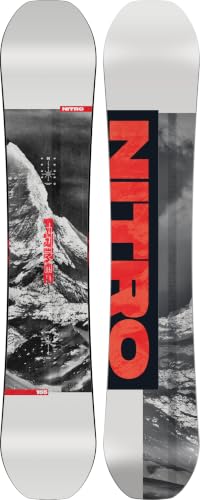
- Directional Twin Shape – A versatile shape, performs best ridden regular but also rides well...
- Power Core – Power Core uses tip-to-tail poplar wood that provides lightweight strength and the...
- Bi-Lite Laminates – Nitro's rider-trusted Bi-Lite Laminates are engineered for a powerful riding...
Balancing performance with versatility, this snowboard caters to riders who crave adaptability across various terrains. Its directional twin shape favors regular riding while maintaining solid control for switch riding, thanks to a slightly elongated nose that enhances float and stability.
Engineered using a Power Core made from tip-to-tail poplar wood, it delivers an ideal mix of lightweight strength, flex, and responsive feel without compromising durability. The board’s Bi-Lite Laminates bring a refined ride quality, built to complement dynamic and powerful snowboarding styles with precise board feedback.
Factory-tuned with a Green Speed Natural Wax, this eco-friendly finish ensures smooth glide by reducing friction, crafted entirely from renewable resources. The extruded base enhances ease of maintenance and ensures consistent, reliable performance in diverse snow conditions.
Lightweight yet sturdy, this model is tailored for beginners who require an accessible yet capable tool to build their skills. Its 2×4 binding pattern adds mounting versatility for personalized setups. Nitro’s attention to sustainable practices and quality material selection benefits the environment and the rider’s experience equally.
Best for: Beginners and intermediate riders seeking a dependable board that performs well on all-mountain terrain with a balanced flex and eco-conscious design.
Pros:
- Directional Twin Shape supports versatile riding styles
- Power Core provides lightweight strength with responsive flex
- Bi-Lite Laminates offer enhanced board feel for dynamic control
- Green Speed Natural Wax ensures smooth, eco-friendly glide
- Extruded base makes maintenance straightforward
Cons:
- Flex rating at 5/10 may feel soft for highly aggressive riders
- Designed for beginners and intermediates, might limit expert-level performance
4. JONES Men’s Howler Snowboard with Directional Flex and Responsive Camber 158cm

- ...
- 𝗖𝗢𝗡𝗙𝗜𝗗𝗘𝗡𝗧 𝗙𝗟𝗘𝗫 - A directional flex pattern tunes the Howler...
- 𝗤𝗨𝗔𝗟𝗜𝗧𝗬 𝗖𝗢𝗡𝗦𝗧𝗥𝗨𝗖𝗧𝗜𝗢𝗡 - Medium 3D Contour...
Carving fresh lines in unpredictable terrain demands gear that reacts with precision and power. The Howler snowboard features a High Power Camber shape designed to deliver responsive turn initiation and razor-sharp edge control. Its directional flex pattern enhances stability during landings and transfers energy efficiently on variable snow surfaces.
Constructed with a blend of carbon fiber, fiberglass, and wood, this board incorporates advanced materials like the Bcomp Carbon Flax Stringer and Koroyd for a lightweight yet durable ride. The medium 3D Contour Base and Medium Traction Tech work together to provide traction and smooth transitions, making responsiveness a standout feature of this model.
Expert and intermediate riders will appreciate the progressive sidecut and Forever Flex design that ensures consistent performance throughout the board’s lifespan. Drawing inspiration from a heritage rooted in backcountry adventure, JONES delivers a shape that balances freedom and control for dynamic all-mountain experiences.
Factory tuning and thoughtful construction bring out the board’s reliable pop and carving prowess, offering a versatile tool that adapts as you explore park, powder, or backcountry terrain. The 158cm size caters well to those seeking a stable yet agile ride that holds firm at higher speeds and technical routes.
Best for: Intermediate to expert snowboarders wanting a board that blends technical control with dynamic energy transfer across varied snow conditions.
Pros:
- High Power Camber for precise edge engagement
- Directional flex enhances responsiveness and landing stability
- Advanced materials including carbon fiber and Koroyd for lightweight strength
- Medium Traction Tech improves grip on icy or hardpack surfaces
- Progressive sidecut boosts carving performance
Cons:
- Designed for intermediate to expert skill levels, it may be challenging for beginners
- The 158cm length may feel less maneuverable for lighter or shorter riders
Top Snowboard Brands With Key Technical Features Highlighted
| Product Name | Profile & Shape | Core Material | Flex Rating |
|---|---|---|---|
| 5th Element Freestyle All-Mountain Twin | Camber-dominant profile, twin shape | Wood | 2/10 (Easy to Ride) |
| Lib-Tech T.Rice Pro Twin | C2 Rocker/Camber profile, freestyle/all-mountain twin | 60% Aspen / 40% Paulownia with basalt alloy | Not Specified |
| Nitro Prime Raw Directional Twin | Directional twin, Camber | Poplar wood (Power Core) | 5/10 |
| Jones Howler Directional | High power camber, directional shape | Carbon fiber, fiberglass, wood | 8/10 |
What Should You Look for in the Best Snowboard Brands?

Choosing a snowboard brand goes beyond just the logo stamped on the board. It’s about finding a brand that aligns with your riding style, terrain preferences, and performance expectations. Knowing the key factors can help you navigate through options and zero in on a snowboard that genuinely enhances your time on the mountain.
Board Profile and Shape
The profile and shape of a snowboard define how it floats on powder, carves on groomers, and handles in the park. Profiles like camber, rocker, and hybrids each deliver distinct riding sensations. For example, a camber-dominant profile gives responsive pop and edge control, crucial for sharp turns and jumps, while rocker profiles aid in powder flotation and smoother turn initiation. Shapes like twin or directional twin influence your ability to ride switch or maintain stability at high speeds.
Technically, camber profiles create an arch between the tips, spreading rider weight to the contact points for enhanced grip. Rocker reverses this arch, lifting contact points for float and forgiveness. Hybrid profiles, like C2 from Lib Tech, blend rocker between feet with camber zones, balancing float and control in varied terrain.
Ignoring profile and shape can leave you with a board that feels unpredictable or cumbersome. For instance, choosing a flat profile when you crave lively pop or a directional shape when you frequently ride switch can limit progression and enjoyment.
Core Materials and Construction
The core is the heart of a snowboard, impacting flex, weight, and durability. Wood cores, such as those made from poplar, aspen, or paulownia, provide a natural balance of strength and liveliness. Some brands integrate advanced composites like carbon fiber and basalt to reinforce stiffness and pop without adding weight.
For instance, the Nitro Prime Raw uses a poplar wood Power Core known for lightweight resilience, while the Lib Tech T.Rice Pro combines 60% Aspen and 40% Paulownia with basalt alloys for a dynamic flex pattern. This layering influences how energy transfers when carving or landing jumps, directly affecting board responsiveness.
Overlooking core materials might result in a board too stiff or too soft for your needs, causing fatigue or reduced control. Additionally, cheaper cores may degrade faster, impacting your investment and safety.
Flex Rating and Flex Pattern
Flex rating quantifies how stiff or soft a board feels underfoot. A lower flex (like 2/10) offers forgiveness and ease for beginners or park riders, while higher flex (around 8/10) provides stability and responsiveness at speed or in rough terrain.
The flex pattern—whether uniform or directional—further tailors performance. Directional flex, seen in boards like the Jones Howler, makes heel-side turns more powerful and landings more stable. Twin flex promotes symmetry, which benefits switch riding and freestyle agility. These characteristics stem from material layering and core design.
Choosing an inappropriate flex can limit your comfort and performance. Ride a stiff board without experience, and you may struggle with control; select a too-soft flex for aggressive carving, and you risk instability and chatter.
Base Material and Maintenance
The base of a snowboard affects speed, durability, and upkeep. Extruded bases are common in lower-priced or beginner models—they offer easy maintenance and resist scratches but sacrifice top-end glide. Sintered bases absorb wax better, delivering higher speeds and smoother rides, favored by advanced riders.
For example, the 5th Element board features an extruded base, which holds up to rough use and is simple to repair, making it reliable for intermediate riders focused on park and all-mountain versatility.
Neglecting base quality can cause slower rides and increased wear. High-performance wax absorption is lost with inferior materials, and repairs become more frequent, costing time and money over seasons.
Brand Reputation and Rider Feedback
Brand reputation shapes your trust in a snowboard’s quality and durability. Brands that invest in rider-centric design and innovation often produce boards that truly deliver. Pro rider collaborations and community input help these brands refine their gear, making a real difference in performance across different terrains and riding styles.
Lib Tech, for instance, partners with Travis Rice to engineer boards combining freestyle flexibility with all-mountain control. Meanwhile, Jones Snowboards incorporates carbon fiber technology, enhancing stiffness and responsiveness for freeride conditions. These technical innovations highlight how a brand’s reputation stems from tangible design choices and rider feedback.
Ignoring brand reputation or relying on unknown names without solid community backing can risk getting snowboards with inconsistent quality, poor durability, or weak customer support. Choosing well-established brands often means better performance and a more satisfying ride experience overall.
Intended Terrain and Riding Style
Snowboards are tailored for park, freestyle, freeride, powder, or all-mountain use. Understanding your primary terrain preference ensures the board’s design features, like flex, profile, and shape, complement your riding goals.
Directional shapes and stiffer flexes, like those in the Jones Howler with its high power camber, excel in carving fresh lines off-piste. Conversely, twin shapes with moderate flex and camber-rocker blends perform well in parks and pipe features for creative spins and jumps.
Ignoring this factor can result in a mismatch where the snowboard feels awkward in your favorite spots—like a stiff directional board feeling cumbersome in park, or a soft twin underperforming in steep, icy conditions.
Price Range and Long-Term Value
Snowboard brands span a wide price spectrum, often reflecting technology, materials, and brand prestige. While budget boards deliver solid entry-level performance, mid to high-end boards incorporate advanced constructions for enhanced durability and performance nuances.
For instance, boards combining carbon fiber with wood cores, such as the Jones Howler, demand higher upfront investment but offer improved energy transfer and longer lifespan. Conversely, extruded base and simpler wood cores like the 5th Element model balance affordability with practical performance.
Failing to weigh price against longevity and fit could lead to premature replacements or frustration with a board that doesn’t keep pace as skills progress, undermining enjoyment and value over time.
Frequently Asked Questions
What distinguishes camber profiles on snowboards?
Camber profiles, such as the camber-dominant or high power camber shapes, offer essential benefits like responsive pop and sharp edge control, improving carving precision and jump performance. These profiles usually provide better stability and energy transfer compared to rocker designs.
For example, the Jones Howler’s high power camber delivers crisp turn initiation and stability on variable snow, making it popular for aggressive riders. However, camber boards can feel less forgiving for beginners due to their lively responsiveness.
If you’re new to snowboarding, consider a softer flex paired with camber to balance control and forgiveness.
How does core material impact snowboard performance?
The core material directly affects the board’s weight, strength, and flex characteristics. Lightweight woods like poplar or blends with Paulownia provide a responsive, lively feel while maintaining durability. Advanced composites like carbon fiber add stiffness and energy transfer.
The Lib Tech T.Rice Pro’s 60% Aspen / 40% Paulownia core with basalt alloys combines lightweight agility with strength, ideal for versatile riding. Meanwhile, carbon fiber in the Jones Howler enhances pop and precision on demanding terrains.
Match your riding style to core materials: lightweight for park tricks, stiff cores for speed and power on variable terrain.
What is the impact of snowboard flex rating?
Flex rating indicates board stiffness, influencing responsiveness and control. Softer flex (around 2/10) suits beginners and freestyle riders due to its forgiving nature, while stiffer boards (>7/10) provide stability at high speeds and on challenging surfaces.
The 5th Element Freestyle board’s 2/10 flex is great for learning tricks and easy maneuvering, whereas Jones Howler’s 8/10 flex benefits advanced riders carving demanding lines.
Choose flex carefully to match ability: softer for learning and freestyle, stiffer for aggressive carving and all-mountain performance.
Why choose a directional twin versus a true twin shape?
Directional twin snowboards blend the symmetry of twins with a nose slightly longer or differently shaped, improving float and stability while maintaining switch riding capability. True twins offer perfect symmetry, ideal for freestyle tricks.
Nitro Prime Raw’s directional twin shape features an elongated nose to boost float on powder and provide more control on uneven terrain, without sacrificing switch performance. This makes it versatile for varied conditions.
Pick directional twins for all-mountain versatility and true twins if park riding and switch tricks are your primary focus.
How do rocker/camber hybrid profiles benefit snowboarders?
Hybrid profiles like the C2 rocker/camber combine rocker’s ease of turn initiation and powder float with camber’s edge hold and pop. This blend enhances versatility for different terrains, making boards more forgiving yet responsive.
The Lib Tech T.Rice Pro uses a C2 rocker/camber profile to merge playful float in powder with firm edge control on groomers, appealing to freestylers and all-mountain riders seeking balanced performance.
If you want a board adaptable to park, groomers, and powder, hybrid profiles often deliver the best compromise without sacrificing stability.
How the Right Snowboard Brand Elevates Your Experience
Snowboard brands uniquely influence your riding style, from high-flying tricks to powder carving. Selecting the right board changes your ride by enhancing control, stability, and responsiveness, turning generic gear struggles into confident, precise runs.
Freestyle riders benefit from twin shapes and camber profiles for park tricks, while all-mountain enthusiasts often prefer hybrid designs that balance rocker and camber. Heavier or powder-focused riders should consider directional boards with carbon and wood composites to maximize power and float.
Matching your board’s flex and profile to your skill level and terrain is crucial. Prioritize proper sizing to avoid control loss, and remember to maintain your board’s base carefully to ensure durability and consistent performance.
Last update on 2026-10-22 / Affiliate links / Images from Amazon Product Advertising API