Best Perennial Flowers for North Texas That Thrive and Impress

- Premium Seed Content: Three ounces of pure wildflower seeds with no filler; Covers 250 squ...
- Pollinator Paradise: Specially formulated wild flowers seeds mix to attract butterflies, b...
- Diverse Variety: Contains twenty-two different wildflower varieties including Texas Bluebo...
- Top Rated
- Trusted Pick
Blistering heat bakes the garden. Leaves wilt fast and soil turns to dust. Your vibrant flowerbeds fade to dull, dry patches.
HOME GROWN Texas Wildflower Mix floods your yard with 131,000 seeds for nonstop blooms. Burpee Wildflower Mix packs 18 heirloom varieties to lure butterflies all season.
Sow Right Texas Bluebonnet seeds add iconic blue shades that stand strong in North Texas heat.


Resilient Perennial Flowers Perfect for North Texas Gardens
Conquering North Texas gardens means embracing hardy perennials that thrive amid heat and drought. Selecting resilient blooms ensures lasting beauty and vibrant landscapes season after season.
1. HOME GROWN Texas Wildflower Mix – Over 131,000 Flower Seeds for Vibrant North Texas Gardens

- Premium Seed Content: Three ounces of pure wildflower seeds with no filler; Covers 250 square feet...
- Pollinator Paradise: Specially formulated wild flowers seeds mix to attract butterflies, birds, and...
- Diverse Variety: Contains twenty-two different wildflower varieties including Texas Bluebonnet...
Transform your North Texas garden into a vivid tapestry of color with the HOME GROWN Texas Wildflower Mix. This generous pack includes over 131,000 seeds designed to cover 250 square feet, surpassing typical seed counts for more expansive blooms. What’s striking is the diversity: from Texas Bluebonnet to Purple Coneflower, this mix defies the notion that native gardens lack variety or visual impact.
Designed to thrive in the North Texas climate, these flowers not only beautify your space but also create a pollinator-friendly environment attracting butterflies, birds, and bees. This is not just about flowers; it’s about nurturing a vibrant ecosystem in your backyard. Maintenance is uncomplicated, making it ideal for gardeners who want results without constant fuss.
Planting these seeds results in blooms that stand 24 to 36 inches tall, filling your garden with striking colors through spring to fall. Their ability to adapt to full sun and typical Texas soil conditions, along with moderate watering needs, ensures durability and long-lasting garden appeal. Each seed is heirloom and GMO-free, which supports sustainable growing practices and natural beauty.
By using a simple hand spread or seed mixer technique, gardeners can tailor the density for a personalized floral display. This mix is perfect if you’re ready to rethink what a North Texas perennial garden can be—lively, diverse, and alive with pollinators.
Best for: Gardeners in North Texas seeking a mix of durable perennial wildflowers that attract pollinators with minimal maintenance.
What We Like:
- Extensive seed quantity ensures widespread coverage and abundant blooms.
- Includes 22 wildflower varieties native to the region, supporting biodiversity.
- Designed to attract pollinators, promoting a healthy garden ecosystem.
- Low-maintenance seeds suited to North Texas climate and soil types.
- Heirloom, GMO-free seeds encouraging sustainable gardening practices.
Specification:
| Specification | User Benefit |
|---|---|
| Seed Quantity | Covers up to 250 sq ft for a full garden display. |
| Flower Varieties | Offers 22 types to enhance garden diversity and visual interest. |
| Blooming Period | Flowers from spring through fall to enjoy extended color. |
| Sunlight Exposure | Thrives in full sun typical of North Texas yards. |
| Plant Height | Grows 2 to 3 feet tall for impactful, mature blooms. |
| Moisture Needs | Moderate watering matches regional rainfall patterns and care habits. |
| Usage | Outdoor use suitable for natural wildflower gardens or pollinator habitats. |
| Seed Type | GMO-free, heirloom seeds boost eco-friendly gardening efforts. |
| Special Features | Attracts butterflies, bees, and birds to create a lively garden. |
2. Burpee Wildflower 25,000 Bulk Perennial Flower Seeds Mix for North Texas
- Easy-Growing Wildflowers: This Early-Blooming, Carefree Wildflower Seeds Mix Includes 14 Of North...
- Pollinator-Friendly: Bees And Butterflies Will Flock To The Colorful Buffet Of Flowers; Good For...
- 25,000 NON-GMO Seeds: Easy-To-Sow Perennial Flower Seeds Mix Covers Up To 1,000 Square Feet And Is...

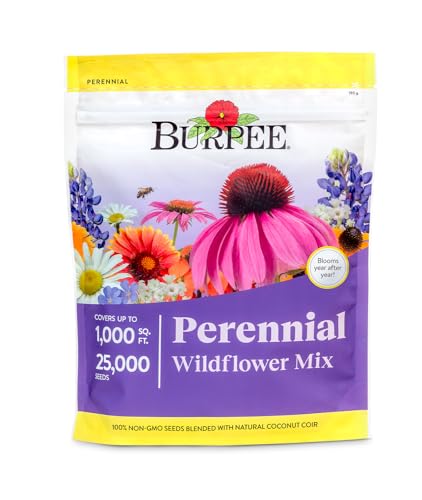
Think all perennial flowers require special care to thrive in North Texas? Think again. The Burpee Wildflower Perennial Mix challenges that notion with a blend designed for ease and resilience tailored to this region’s climate.
This mix contains 18 varieties of non-GMO, heirloom flower seeds that begin blooming early and continue from spring through fall. These wildflowers naturally attract bees and butterflies, turning your outdoor space into a lively pollinator-friendly garden without complex upkeep.
With 25,000 seeds covering up to 1,000 square feet, this mix works well in loam soil and full sun—common conditions in North Texas. The seeds require only moderate watering especially during the initial weeks to get established, making maintenance straightforward rather than demanding.
The mix’s adaptability to various USDA hardiness zones, including those common to North Texas, means it supports garden sustainability and diversity. Scatter seeds after danger of frost and watch the blend flourish with bursts of color, enriching your landscape.
Best for: Gardeners in North Texas seeking a low-maintenance, pollinator-friendly perennial flower mix for large outdoor planting areas.
What We Like:
- Contains 18 easy-to-grow wildflower varieties suited for North Texas
- Non-GMO and heirloom seeds encourage environmental health
- Extensive coverage with 25,000 seeds for up to 1,000 square feet
- Attracts pollinators like bees and butterflies naturally
- Requires moderate watering, easing garden maintenance
Specification:
| Specification | User Benefit |
|---|---|
| Seed Count | Large quantity covers extensive garden space efficiently |
| Plant Type | Perennial wildflowers that return year after year with proper care |
| Sunlight Exposure | Thrives in full sun commonly found in North Texas gardens |
| Soil Compatibility | Ideal for loam soil which is prevalent in the region |
| Blooming Period | Long flowering season from spring to fall enhances garden visual appeal |
| Water Needs | Moderate watering reduces workload for gardeners |
| Seed Type | Non-GMO and heirloom ensuring ecological sensitivity |
3. Sow Right Seeds – Texas Bluebonnet Seed for Planting Wildflower Garden

- Beautiful - Full color seed packet of Texas Bluebonnet (Lupinus texensis). This state flower of...
- Productive - Texas Bluebonnet germinates in 10-12 days when soil temps are 68°F. Plant 1/8” deep...
- Pollinator Friendly - Butterflies and bees love Texas Bluebonnet flowers and will likely pay you...
Few flowers capture the spirit of Texas like the vibrant Texas Bluebonnet. It’s more than just a pretty plant—it transforms any garden with its vivid blue blooms, making a bold statement that few perennials can match. But what if this iconic flower could also solve a common dilemma in North Texas gardening: finding perennial flowers that thrive locally?
The Texas Bluebonnet seeds from Sow Right Seeds bring a unique combination of beauty, resilience, and ecological benefit. Unlike many perennials that struggle with local conditions, these seeds grow best in full sun with moderate watering, perfectly suiting North Texas climates and soils. They bloom strikingly, reaching 12 to 18 inches in height, offering a reliable splash of color that takes a year or two to fully develop.
Growing these seeds is straightforward, with germination expected within 10 to 12 days when soil temperatures are right, simplifying the wait and uncertainty often associated with wildflower planting. Plus, their appeal isn’t just visual—these flowers attract butterflies and bees, supporting the region’s pollinators actively. This makes them not just a win for gardeners but for local ecosystems.
What stands out is their non-GMO heirloom status and the company’s commitment to sustainability, underscoring a conscientious choice for gardeners mindful about seed origins and environmental impact. While patience is required before flowers fully bloom, the payoff is a beautiful, sustainable addition to any North Texas garden.
Best for: Gardeners in North Texas seeking native, pollinator-friendly perennial flowers to enhance their outdoor spaces with reliable, vibrant blooms.
What We Like:
- Vivid blue blooms iconic to Texas gardens
- Quick germination, easy planting guidelines
- Supports local pollinators like bees and butterflies
- Non-GMO heirloom seeds promoting sustainable gardening
- Adapted to thrive in North Texas conditions and USDA zones 8-11
Specification:
| Specification | User Benefit |
|---|---|
| Germination Time | Seeds sprout within 10-12 days, reducing wait time to see growth |
| Sunlight Exposure | Requires full sun, ideal for open Texas yards |
| Plant Height | Grows 12-18 inches tall, creating notable ground coverage and visual interest |
| Seed Type | Non-GMO heirloom seeds ensure authentic Texas Bluebonnet genetics |
| Pollinator Attraction | Draws butterflies and bees, enhancing garden biodiversity |
| USDA Hardiness Zones | Hardy in zones 8-11, matching North Texas climates |
| Soil Preferences | Thrives in loam soil with regular watering, aligning with typical Texas soil types |
4. Russell Lupine Seeds, 100 Mixed – Bold Perennial Flowers for North Texas Gardens

- October is the ideal month to plant flower seeds, as they can start to grow after experiencing...
- GUARANTEED TO GERMINATE: Our seeds are carefully kept in temperature-controlled refrigeration...
- EASY TO PLANT, PERENNIAL REWARD: Sow lupine seeds outdoors in fall or early spring. Grow 36-48" tall...
Choosing the best perennial flowers for North Texas means considering plants that offer resilience and vertical beauty. Russell Lupine seeds produce tall, vibrant flower spikes that bring a multi-hued flourish blending purple, pink, and blue to your garden. These striking blooms aren’t just eye candy—they thrive in this region’s climate when planted at the right time.
Unlike typical garden flowers that struggle with Texan heat, these lupines grow best when sown in fall or early spring, harnessing natural cold stratification to kickstart germination. Their ability to flourish in full sun or part shade while requiring only well-drained soil adds to their adaptability, making them a practical choice for diverse garden settings.
Expect these lupines to reach heights of 36 to 48 inches, providing architectural interest along borders or meadows. Beyond aesthetics, they support local ecosystems by attracting essential pollinators such as bees, butterflies, and hummingbirds with their nectar-rich flowers.
Maintaining these perennials is straightforward, with seedlings reliably germinating within two to four weeks under proper conditions. Their perennial nature means once established, they return season after season, making them a sustainable addition to your garden repertoire.
Best for: Gardeners in North Texas seeking low-maintenance, tall flowering perennials that support pollinators and add vivid, lasting color through late spring and early summer.
What We Like:
- Plants reach a striking 36-48 inches, adding visual height to gardens
- Vibrant mix of purple, pink, and blue blooms enhances landscape color
- Supports pollinators including bees and hummingbirds, improving garden biodiversity
- Reliable germination when planted in fall or early spring
- Adaptable to full sun or part shade and various soil types
Specification:
| Specification | User Benefit |
|---|---|
| Plant Height | Provides vertical structure and elegance up to 48 inches tall |
| Bloom Period | Offers colorful flowers from late spring into summer for extended enjoyment |
| Sunlight Exposure | Grows well in full sun to partial shade, suiting diverse garden spots |
| Planting Time | Best sown in fall or early spring for healthy growth and germination |
| Soil Requirement | Thrives in well-drained soil, reducing risk of root issues |
| Pollinator Attraction | Supports local wildlife like bees and hummingbirds, boosting garden health |
| Hardiness Zones | Adaptable to a wide range of climates, including North Texas conditions |
5. Lanceleaf Tickseed Seeds – Resilient Coreopsis Lanceolata for North Texas Gardens

- NATIVE LANCE LEAF TICKSEED SEEDS: Heirloom non-GMO open-pollinated Coreopsis lanceolata North...
- POLLINATOR FRIENDLY: Lance-leaved coreopsis supports native bees, butterflies, and songbirds...
- BRILLIANT GOLDEN YELLOW BLOOMS on compact 18 inch plants late spring through midsummer; thrives in...
Think all perennial flowers struggle with North Texas heat? Lanceleaf Tickseed challenges that notion with its straightforward resilience and charm. Native to North America, these seeds grow into vibrant golden blooms that thrive even when conditions get tough.
Unlike many ornamental flowers that demand constant care, this Coreopsis lanceolata variety withstands drought and humid extremes once settled in your garden. You get flourishing, low-maintenance color while supporting local pollinators like bees and butterflies.
Reaching just about 18 to 24 inches, these compact plants bloom from late spring through midsummer, filling your yard with persistent yellow splashes. They naturally resist deer, so your garden stands resilient against common pests without extra effort.
Planting is straightforward with detailed instructions included, making these seeds accessible whether you’re new or experienced in growing native plants. Over time, the flowers self-seed, allowing your display to grow sustainably and with minimal intervention.
Best for: Gardeners in North Texas seeking dependable, drought-tolerant native perennials that boost local habitats and bloom brilliantly with little upkeep.
What We Like:
- Highly adapted native species suited to North Texas climate
- Supports pollinators such as bees, butterflies, and songbirds
- Low water and maintenance needs after establishment
- Seed packets include clear, practical planting and care guidance
- Natural deer resistance protects the plants without chemicals
Specification:
| Specification | User Benefit |
|---|---|
| USDA Hardiness Zones 4-9 | Ensures adaptability to North Texas weather variations |
| Full Sun Exposure | Maximizes flower bloom and plant vigor in sunny landscapes |
| Height Approximately 18-24 Inches | Easy to manage size suitable for garden beds or borders |
| Drought Tolerance | Reduces watering needs, saving time and resources |
| Heirloom, Non-GMO Seeds | Offers natural genetics for healthier growth and sustainability |
| Self-Seeding | Allows garden expansion without replanting effort |
| Detailed Planting Instructions Included | Supports successful growth even for novice gardeners |
6. Narrow-Leaved Coneflower Seeds – Drought-Tolerant Perennial for North Texas Gardens

- NATIVE NORTH AMERICAN NARROW-LEAVED CONEFLOWER SEEDS: Heirloom non-GMO open-pollinated wildflower...
- POLLINATOR FAVORITE: Narrow-leaved coneflower supports native bees, butterflies, and goldfinches...
- STUNNING PURPLE BLOOMS reaching 2 feet tall from June to August; thrives in full sun with...
Discover a perennial wildflower that challenges the notion that lush gardens in North Texas demand constant watering. The Narrow-Leaved Coneflower thrives with minimal moisture once established, standing tall amid full sun with remarkable drought tolerance.
This heirloom, non-GMO seed produces stunning purple blooms that reach about 2 feet high from June through August, adding vibrant summer color to your landscape. It’s more than just an ornamental plant—its role in supporting native pollinators like bees, butterflies, and goldfinches makes it essential for sustainable gardening.
Designed to fit USDA zones 3 through 8, these seeds are ideal for outdoor use in loam soil and benefit from direct sowing in spring or fall with light and moisture considerations for optimal germination. The seeds come with comprehensive growing instructions, offering guidance for gardeners of all experience levels.
Perfect for prairie restoration, xeriscaping, or medicinal herb gardens, this resilient plant also self-seeds, ensuring your wildflower display naturally expands without additional effort. Its low maintenance nature defies the common belief that native plants compromise aesthetics for hardiness.
Best for: Gardeners in North Texas seeking drought-resistant, pollinator-supportive perennials that bloom with vibrant purple flowers each summer.
What We Like:
- High germination rate from untreated heirloom seeds
- Supports native pollinators and wildlife
- Exceptional drought resistance after establishment
- Comes with detailed planting and care guidelines
- Self-seeding for sustainable wildflower growth
Specification:
| Specification | User Benefit |
|---|---|
| USDA Hardiness Zone 3-8 | Grows well in a wide range of climates including North Texas |
| Full Sun Exposure | Thrives in the direct sunlight typical of Texas summers |
| Low Moisture Needs | Requires minimal watering once established, conserving water |
| Height up to 2 Feet | Creates noticeable, attractive blooms without overwhelming space |
| Open-Pollinated, Non-GMO Seeds | Supports genetic diversity and sustainability in your garden |
| Paper Seed Packet with Instructions | Provides clear, practical planting and care guidance for all skill levels |
| Disease Resistant | Maintains healthy growth with less intervention |
7. Outsidepride Gaillardia Grandiflora Mesa Red Blanket Flower Seeds – Durable Perennials for North Texas Gardens

- HARDY & ADAPTABLE: Reaching 14-16 inches tall, our Gaillardia Grandiflora Mesa Red blanket flower...
- VIBRANT & LONG BLOOM SEASON: Vibrant red blooms measuring 2 to 3 inches appear during spring. The...
- HEAT & DROUGHT-TOLERANT: Designed for full sun exposure, our drought tolerant wildflower seeds grow...
Choosing the right perennial flowers for North Texas can be more challenging than it seems. Many plants might look beautiful initially but struggle to withstand the heat and drought common in this region. That’s where the Outsidepride Gaillardia Grandiflora Mesa Red seeds stand apart.
These tough perennial flower seeds grow into vibrant blooms about 14-16 inches tall, perfectly sized for borders, beds, or small garden spaces. Unlike many perennials that falter under intense sun, these blanket flowers thrive with full sun exposure and minimal watering, making them an excellent fit for xeriscaping and low-maintenance gardens.
Their striking red flowers offer a long bloom season, injecting continuous color throughout spring and beyond. They also attract essential pollinators like bees and butterflies while being generally deer-resistant, reducing garden damage in areas prone to browsing.
Maintenance is straightforward if you follow basic planting steps: direct sow after the last frost and keep the soil lightly moist until germination. These seeds adapt well across USDA Zones 5 to 10, ensuring they can handle North Texas’s climate swings without extra fuss.
Best for: Gardeners in North Texas seeking hardy, drought-resistant perennial flowers that provide vibrant color and support local pollinators.
What We Like:
- Heat and drought tolerance suited for dry, sunny environments
- Extended blooming period enhances seasonal garden appeal
- Attracts beneficial pollinators while deterring deer
- Adaptable to various garden settings and USDA zones 5-10
- Easy to grow with minimal watering requirements once established
Specification:
| Specification | User Benefit |
|---|---|
| Plant Height | Ideal size for borders and small garden beds without crowding |
| Sunlight Exposure | Thrives in full sun, making it suitable for North Texas’ sunny climate |
| USDA Hardiness Zone | Grows well from cooler to warmer zones, covering North Texas’ range |
| Moisture Needs | Requires little watering once established, conserving garden water use |
| Blooming Period | Produces blossoms throughout spring for lasting color |
| Deer Resistant | Helps protect flowers from wildlife browsing damage |
| Seed Quantity | 25 seeds provide enough for multiple plantings or coverage |
8. 1000Pcs Perennial Texas Bluebonnet Seeds – Vibrant, Drought-Tolerant Wildflower for North Texas Gardens

- Cross-Zone Vibrant Wildflower:A perennial herb with tall spikes (30-60cm tall), Texas Bluebonnet...
- Planting Tips: Sow seeds in spring or fall when temperatures remain steady between 15-25°C...
- Drought-Tolerant : This variety is highly drought-tolerant, making it ideal for low-water gardens or...
Discover a flower that defies typical garden challenges in North Texas. The Texas Bluebonnet offers more than just color; it’s a resilient perennial that thrives where many others struggle.
This wildflower stands tall between 30-60 cm, showing off dense clusters of blue blooms trimmed with white. Its ability to flourish in a variety of climates—from temperate zones to subtropical areas—makes it a standout choice for diverse landscapes.
Planting these seeds is straightforward if you time it right. Sow them during stable spring or fall temperatures, ideally after soaking or lightly scarifying to boost germination rates. Once established, the Bluebonnet demands minimal water, fitting perfectly into low-water or drought-prone gardens common in North Texas.
Thriving best in full sun with well-drained sandy or gravelly soils, this flower resists overwatering risks like root rot. Beyond aesthetics, it attracts vital pollinators such as bees and butterflies, enriching your garden ecosystem naturally.
For gardeners seeking the best perennial flowers for North Texas, the Texas Bluebonnet delivers vibrant beauty and hardy performance year-round with little fuss.
Best for: North Texas gardeners wanting a colorful, drought-resilient perennial flower that supports pollinators.
What We Like:
- Drought-tolerant, reducing watering needs in arid climates
- Attracts pollinators, helping local ecosystems
- Year-round blooming delivers extended garden color
- Easy to propagate with simple seed preparation
- Performs well in full sun and well-drained soils
Specification:
| Specification | User Benefit |
|---|---|
| Height: 30-60 cm tall | Visible flower spikes enhance the garden’s vertical interest |
| Bloom Season: Year-round | Continuous color ensures lasting visual appeal |
| Sun Exposure: Full sun (6+ hours daily) | Maximizes flower production through optimal light |
| Soil Type: Well-draining sandy or gravelly soil | Prevents waterlogging, supporting root health |
| Drought Tolerance | Reduces water usage and maintenance effort |
| Seed Preparation: Soaking or scarifying advised | Improves germination rates for a stronger start |
| Pollinator Attraction | Supports beneficial insects and garden biodiversity |
9. Texas Bluebonnet Seeds by LOSEEDSOO – Vibrant Native Wildflower for North Texas Gardens
- 1. 700+ Premium Texas Bluebonnet Seeds (0.5 oz Pack) Each kraft paper pouch contains over...
- 2. Native Texas Wildflower – Heat & Drought Tolerant Texas Bluebonnet is a native wildflower known...
- 3. Easy to Grow – Ideal for Zones 5–9 This annual wildflower germinates in 14–21 days and...
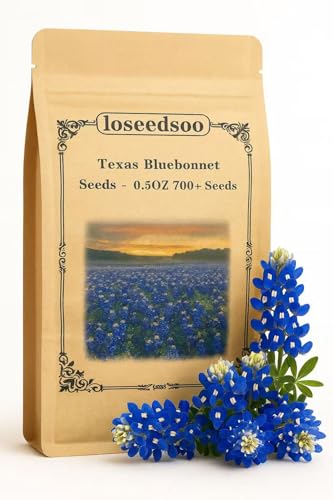
Many gardeners assume that colorful, low-maintenance blooms are tough to achieve in the heat of North Texas. But the Texas Bluebonnet shatters this myth with its remarkable ability to thrive under harsh conditions. It’s not only a symbol of Texas pride but also one of the best perennial flowers for North Texas landscapes seeking natural beauty without constant fuss.
Contained within the 0.5 oz pack are over 700 seeds, offering abundant opportunity to create breathtaking wildflower meadows bursting with vibrant blue petals. These seeds are perfectly suited for native soil types, including sandy or rocky patches where other plants struggle.
Once planted, Bluebonnets require minimal care. Their heat and drought tolerance make them ideal for North Texas gardens that face scorching summer days. The plants reach an upright growth of 8 to 12 inches, showcasing iconic blue blooms that capture the essence of Texas prairies.
Besides aesthetic appeal, these wildflowers support pollinator habitats, promoting beneficial insect life organically. Whether you’re managing erosion control or simply enhancing your garden with seasonal color, these seeds deliver an unmatched blend of function and natural beauty.
Best for: Gardeners seeking resilient, native wildflowers that bring authentic Texas color with minimal upkeep.
What We Like:
- High seed count provides dense, colorful coverage
- Excellent drought and heat tolerance tailored for local climates
- Supports pollinator populations naturally
- Requires little watering once established
- Ideal for poor soils where many plants fail
Specification:
| Specification | User Benefit |
|---|---|
| Seed Count: 700+ seeds per 0.5 oz pack | Enables planting of extensive wildflower areas with vibrant blooms |
| Native to Texas Prairies | Adapted perfectly to local climate and soil conditions |
| Heat & Drought Tolerant | Thrives with minimal water, reducing maintenance effort |
| Growth Height: 8–12 inches | Offers upright plant structure that displays flowers prominently |
| Germinates in 14–21 days | Allows a quick start to a flourishing garden |
| Maturity in 91–98 days | Ensures a timely bloom season for vivid spring color |
| Suitable for Zones 5–9 | Versatile across many North Texas garden environments |
10. CarpetC50 Prairie Smoke Seeds – Drought-Tolerant Native Perennial with Unique Pink Plumes

- [Feathery Smoke-Like Plumes] Produces distinctive pink, feathery seed heads that resemble drifting...
- [Drought Tolerant Ground Cover] Thrives in dry, well-drained soils once established. Forms...
- [Native Perennial for Natural Gardens] Returns year after year in zones 4-9. Low-growing foliage...
Discover the charm of Prairie Smoke, a native perennial that transforms your garden with its delicate, feathery pink plumes. These distinctive blooms float above slender stems, creating a captivating smoke-like effect from late spring through summer. Uncommon among the best perennial flowers for North Texas, this plant offers a visual appeal that stands apart.
This plant thrives in dry, well-drained soil, making it a smart choice for gardeners battling hot, arid conditions. Once established, it forms low-growing mats of fern-like foliage, providing natural ground cover that requires minimal watering. Its drought tolerance means you can enjoy a thriving garden without the constant upkeep conventional flowers demand.
Unlike aggressive spreaders, Prairie Smoke expands slowly through short rhizomes, ensuring it remains manageable while returning year after year in USDA zones 4-9. It self-seeds under the right conditions, offering effortless renewal and the option to harvest its plumes for dried floral arrangements.
To get started, seeds need a cold stratification period, mimicking natural winter conditions for better germination. They flourish in full sun to partial shade with sandy or loamy soil, adapting well to the North Texas climate. This low-maintenance plant fits perfectly into rock gardens, dry meadows, or native plant landscapes, delivering long-lasting beauty with resilient performance.
Best for: Gardeners seeking a distinctive, drought-tolerant perennial ideal for natural and low-water landscapes in North Texas.
What We Like:
- Distinctive feathery pink seed heads add unique garden interest
- Drought tolerant and suited for dry, well-drained soils
- Slow spreading native that won’t overwhelm your garden space
- Self-seeding and suitable for dried flower arrangements
- Low maintenance and adaptable to both full sun and partial shade
Specification:
| Specification | User Benefit |
|---|---|
| Indoor Outdoor Usage | Suitable for both indoor seed starting and outdoor planting |
| Attracts Pollinators | Supports local ecosystem by encouraging pollinator visits |
| Expected Blooming Period | Provides color and texture from spring to fall |
| Sunlight Exposure | Performs well in full sun to partial shade environments |
| Soil Type | Grows best in sandy or loamy soils common to North Texas |
| Moisture Needs | Requires moderate water, tolerates dry spells once established |
| Plant Height | Compact flower stems (up to 15 inches) fit well in varied garden spaces |
| Material Features | Non-GMO and heirloom, supporting sustainable gardening |
| Planting Instructions | Seeds require cold stratification for reliable germination |
| Brand Name | Ensures trusted quality from Carpet Creeping |
11. Mountain Valley Seed Co Queen Series Salvia Blue Seeds – Perennial Flower for North Texas Gardens

- 🌸 Perennial Blooms in 2nd Year – Queen Series salvia matures in its second season with elegant...
- ☀️ Heat & Drought Tolerant – Grows where other salvias struggle; ideal for dry or cool...
- 🌿 Compact & Tidy Growth – Upright 12–20" tall plants with 9–12" spread, perfect for beds...
Finding the best perennial flowers for North Texas often feels like a gamble with the local heat and unpredictable droughts. Yet, some plants quietly defy these challenges without demanding constant care. The Mountain Valley Seed Co Queen Series Salvia Blue seeds offer a smart entry into resilient garden beauty.
This salvia variety blossoms in its second year, revealing soft lavender spikes set against rich green foliage that stays neat and compact. Its stature—around 12 to 20 inches tall—fits well into flower beds, borders, or containers, bringing a refined look without overpowering surrounding plants.
Designed for North Texas’ tough climate, this salvia thrives in full sun and well-drained soil, standing strong where others might falter. Its drought and heat resistance means less watering stress during dry spells, and it persistently blooms through the warmer months with only moderate upkeep like deadheading.
Besides adding long-lasting color, the Queen Series Salvia attracts pollinators and shows resilience against common pests, enhancing your garden’s health naturally. Starting these non-GMO seeds indoors or sowing them post-frost is straightforward, making them accessible even for gardeners trying perennials for the first time.
Best for: Gardeners in North Texas seeking reliable, low-maintenance perennials that flower with vibrant color year after year.
What We Like:
- Heat and drought tolerance suited for North Texas climates
- Compact growth perfect for versatile garden spaces and containers
- Long blooming season with rebloom potential after deadheading
- Non-GMO seeds with high germination rates for dependable planting
- Attracts pollinators while resisting pests naturally
Specification:
| Specification | User Benefit |
|---|---|
| Blooming Period | Extends visual interest with flowers primarily in the second year onward |
| Heat & Drought Tolerance | Maintains growth and blooms even in challenging North Texas conditions |
| Plant Size | Compact height and spread fit well in various garden layouts and container designs |
| Seed Quality | High germination rate eases successful cultivation from seeds |
| Pollinator Attraction | Enhances garden biodiversity by supporting beneficial insects |
| Non-GMO | Offers natural seed stock preferred by eco-conscious gardeners |
Top Technical Specifications Of Perennial Flowers For North Texas Gardens
| Product Name | Expected Plant Height | USDA Hardiness Zone | Sunlight Exposure | Blooming Period |
|---|---|---|---|---|
| HOME GROWN Texas Wildflower Mix | 2 feet | 4 – 9 | Full Sun | Spring to Fall |
| Burpee Wildflower Perennial Mix | Not specified | 4 – 10 | Full Sun | Spring to Fall |
| Sow Right Texas Bluebonnet Seed | 18 inches | 8, 9, 10, 11 | Full Sun | Not specified |
| Russell Lupine Seeds Mixed | 48 inches | 3 | Full Sun – Partial Shade | Late Spring to Early Summer |
| SURVIVAL GARDEN Lanceleaf Tickseed | 2 feet | 4 – 9 | Full Sun | Spring to Summer |
| SURVIVAL GARDEN Narrow-Leaved Coneflower | 2 feet | 3 – 8 | Full Sun | Summer |
| Outsidepride Gaillardia Mesa Red | 16 inches | 5 | Full Sun | Spring |
| Generic Texas Bluebonnet Seeds | 30–60 cm (approx. 12-24 inches) | Not specified | Full Sun | Year Round |
What Should You Look for When Choosing Perennial Flowers for North Texas?

Picking perennial flowers that thrive in North Texas takes more than just grabbing any seeds off the shelf. The right choice hinges on factors that match the region’s unique climate and soil conditions.
Getting these elements right can mean the difference between a patchy garden and one full of colorful, resilient blooms lasting year after year.
Climate Compatibility
Climate compatibility determines whether a perennial can survive the harsh North Texas weather extremes. These include hot summers, occasional freeze events, and varying humidity. Flowers that are not suited to these conditions often fail to establish or die off quickly.
Plants like the Texas Bluebonnet, with USDA hardiness zones around 8–11, handle North Texas heat and mild winters well. Seed mixes spanning zones 4 through 10 offer wider adaptability, but individual species’ tolerance to drought and frost varies significantly.
Ignoring climate compatibility risks wasting time and resources on blooms that wilt under intense heat or freeze damage, leading to a garden patch that looks sparse or lifeless after the first tough season.
Sunlight Requirements
Sunlight is crucial for perennial flowers, powering photosynthesis that fuels growth and blooming. In North Texas, gardens often get strong, direct sunlight for much of the day, so picking plants that can handle these intense light levels is essential. Some species manage with a bit of shade, but most need bright conditions to really thrive.
Perennials generally need about 6 to 8 hours of full sun daily. For instance, Gaillardia Grandiflora thrives in full sun to produce its bold, colorful blooms. On the other hand, plants like Lanceleaf Tickseed also prefer full sun, but some varieties, such as Russell Lupine, can tolerate partial shade, offering some versatility depending on your garden’s layout.
Ignoring the sunlight needs of plants often leads to sparse growth and fewer flowers. This mismatch can cause plants to weaken or not bloom well, resulting in a patchy, less vibrant garden that fails to meet expectations.
Soil Adaptability
Matching perennials to your soil type is a key step for a thriving North Texas garden. The area’s soils vary from dense clay to light sandy loam, so plants must handle moisture levels and nutrient availability accordingly. This factor influences how well roots establish and how resilient your plants become through droughts and heavy rains.
For instance, Coreopsis lanceolata flourishes in well-drained, sandy soils tolerating dry spells once settled. Other perennials prefer nutrient-rich, loamy soil that promotes strong root systems. Native wildflower mixes often adapt well because they’ve evolved to survive in local conditions, adjusting their root growth and water needs precisely.
Ignoring soil adaptability risks poor root health, waterlogged roots, or drought stress. This typically results in stunted growth, plant loss, and wasted time. Ensuring soil compatibility means stronger, longer-lasting flowers that suit North Texas’s variable soil landscape.
Blooming Period and Duration
The timing and length of flowering impact how much color your garden displays through different seasons. North Texas benefits from flowers that bloom from spring through fall to maintain visual interest as temperatures rise.
Products like the HOME GROWN Texas Wildflower Mix offer blooms from spring to fall, including varieties such as purple coneflower and bluebonnet that stagger bloom times. Some species, like Narrow-Leaved Coneflower, concentrate blooms in summer, creating focal points during warmer months.
Neglecting bloom periods may result in a garden that flashes color briefly, then fades for months, leaving dull landscapes and less enjoyment from your planting efforts.
Water and Drought Tolerance
Water scarcity shapes gardening choices in North Texas, especially as dry periods and restrictions become common. Choosing perennials with solid drought tolerance can drastically reduce watering needs and help maintain a thriving garden without constant attention.
Plants like Narrow-Leaved Coneflower and Gaillardia Mesa Red survive dry conditions thanks to their deep root systems and ability to minimize water loss through reduced transpiration. These native perennials naturally manage water better than many introduced varieties, which often require regular irrigation to stay healthy.
Overlooking drought tolerance can lead to plant stress and higher death rates during hot, dry summers. This results in more maintenance time and increased watering costs, putting strain on both your budget and local water supplies.
Growth Habit and Size
The way a perennial grows—its height and spread—directly influences how it fits into your garden. Choosing plants with growth habits suited to your space is crucial in North Texas, where garden size can vary widely.
Take, for instance, Russell Lupine, which can climb to around 4 feet tall, adding vertical interest and drama. On the other hand, Gaillardia Mesa Red stays much smaller, spreading to just about 16 inches wide, perfect for tighter spots. Knowing these specifics helps gardeners plan properly and avoid plants shading or crowding each other.
Ignoring a plant’s mature size often results in overcrowded beds that stunt growth and invite pests. It also creates more work, as constant pruning or relocating becomes necessary to maintain a neat and healthy garden.
Ecological Benefits and Wildlife Support
Choosing perennials that attract local pollinators and wildlife brings real value to your garden. These plants act as a crucial link in maintaining biodiversity by providing food and habitat for bees, butterflies, and birds. This connection supports the broader health of your outdoor space.
Native plants like Purple Coneflower and Coreopsis are excellent examples, known for their ability to draw pollinators actively. These flowers produce nectar and pollen suited to local species, encouraging natural pest control and reducing the need for harmful pesticides. Their deep roots also improve soil structure and water retention.
Ignoring the ecological role of your garden plants can lead to fewer pollinators visiting your area, reducing both plant health and productivity. Without this support, gardens become less resilient and miss a chance to positively impact the local environment and its wildlife.
Frequently Asked Questions
What are the top perennial flowers that thrive in North Texas heat?
Many perennials struggle in the intense North Texas heat, but species like Lanceleaf Tickseed and Narrow-Leaved Coneflower handle drought and high temperatures well. Their adaptability allows them to bloom even with minimal watering once established.
For example, Lanceleaf Tickseed produces vibrant golden flowers that tolerate both dry spells and humidity, making it a dependable choice for local gardens.
Avoid planting delicate species in full sun without shade as they often fail during peak summer heat.
How long do perennial flowers typically bloom in North Texas?
Perennial bloom periods can vary, but many, like the HOME GROWN Texas Wildflower Mix and Burpee Wildflower Mix, provide color from spring well into fall. This extended blooming period helps maintain garden vibrancy over several months.
Some, such as Russell Lupine, bloom primarily from late spring to early summer, offering a specific seasonal highlight rather than continuous blooms.
To maximize color, consider mixing species with staggered blooming times throughout the growing season.
Are native wildflower mixes better suited for North Texas than single-species plantings?
Native wildflower mixes often outperform single-species plantings because they offer biodiversity that can adapt to local soil and climate conditions. The HOME GROWN Texas Wildflower Mix contains over 131,000 seeds from diverse native plants like Bluebonnet and Purple Coneflower, promoting resilience and visual variety.
This diversity attracts pollinators and reduces risks from pests or disease impacting one species.
Planting diverse mixes can also help create a robust, low-maintenance garden ecosystem.
What soil and sunlight conditions do these North Texas perennials prefer?
North Texas perennials such as Texas Bluebonnet, Lupine, and Gaillardia do best in full sun with at least 6 hours of direct sunlight daily. Well-draining soil is essential to prevent root rot and support blooming.
Some varieties like Russell Lupine can manage in partial shade, adding variety to spots with less light. This adaptability makes them useful for different garden areas.
Always check your garden’s soil drainage and sunlight patterns before planting to pick the healthiest spots for these perennials.
How can gardeners support pollinators with North Texas perennial flowers?
Gardeners can boost pollinator health by planting native perennials such as Narrow-Leaved Coneflower. These provide essential nectar and safe habitat during bloom periods, feeding bees and butterflies.
For consistent nectar sources, mixes like Burpee Wildflower Mix offer 18 species with staggered blooms that support pollinators all season long.
Avoid pesticides close to your flowers to protect these beneficial insects and keep populations flourishing in your garden.
The Best Perennials for a Thriving North Texas Garden
Choosing the ideal perennial flowers transforms your North Texas garden into a vibrant, hardy space that endures heat and fluctuating weather. These plants fill the void between beauty and resilience, ensuring your landscape remains colorful and strong year after year.
Gardeners seeking long-lasting blooms should consider mixes like the HOME GROWN Texas Wildflower Mix, while those wanting striking accents can select taller flowers such as Russell Lupine. For dry areas, drought-tolerant natives like Lanceleaf Tickseed are perfect for maintaining charm with less water.
To achieve the best results, align each plant’s soil and sun requirements with your garden’s conditions and plant during fall for deeper root development. Avoid excessive watering to keep drought-resistant perennials healthy and vibrant throughout the seasons.
Last update on 2026-11-04 / Affiliate links / Images from Amazon Product Advertising API