Best Paint for VOG Walls: Easy Prep, Long-Lasting Results
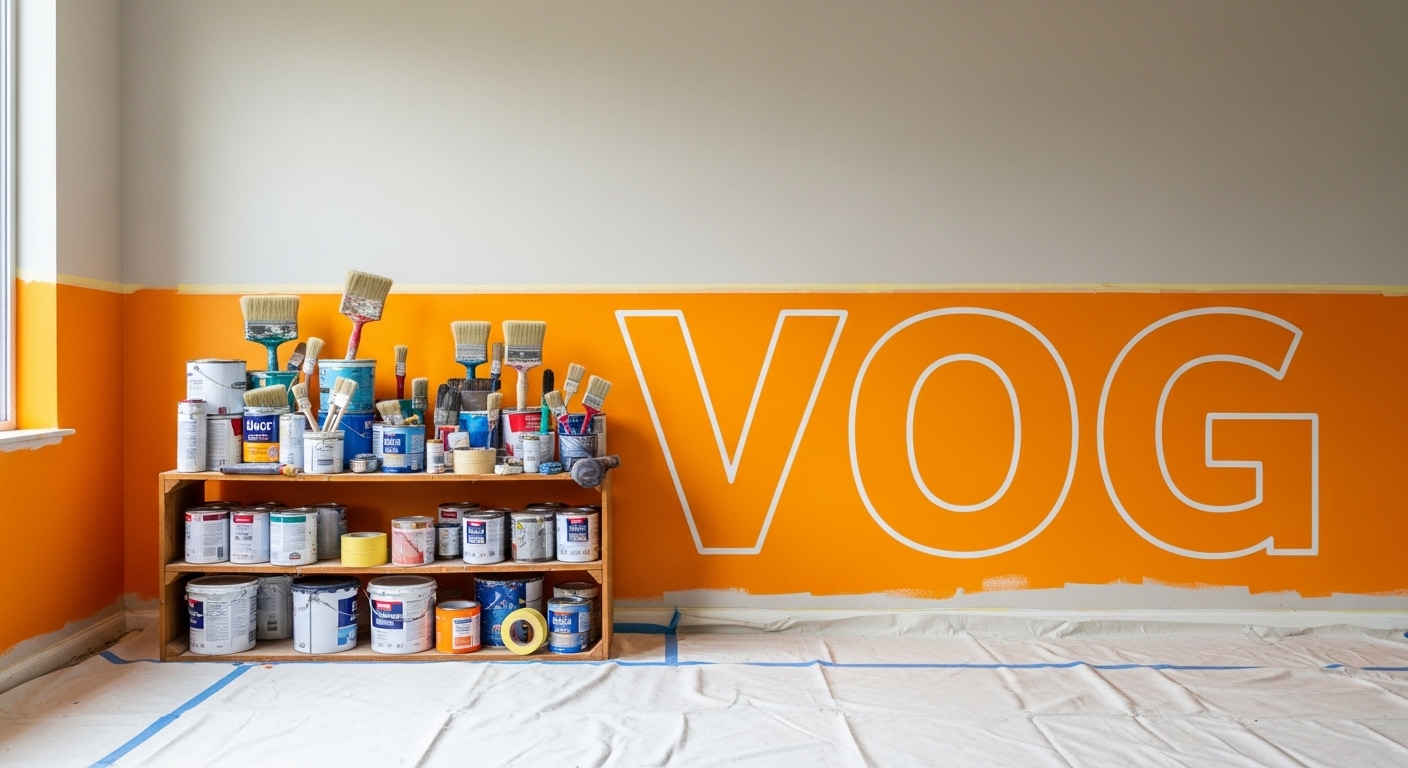
For vog-affected walls, choose a durable, exterior-grade paint with high abrasion resistance and chemical protection to withstand acidic deposits.
Opt for a low-VOC, water-based formula to keep indoor air quality safe and guarantee quick drying.
Matte or satin finishes hide imperfections, while UV-resistant topcoats help maintain color vibrancy.
A paint with strong adhesion and flexibility extends lifespan against vog’s corrosive effects, minimizing flaking and fading.
Keep exploring to discover the best product matching all these needs.
| Image | Name | Editor's Rating | Price |
|---|---|---|---|

|
THE ONE All-In-One Paint & Primer - Crea...
|
|
Key Takeaways
- Choose exterior-grade, high-solids paint with strong chemical resistance for superior protection against vog’s acidic deposits and abrasive particles.
- Use paints with thick film build and durable, flexible adhesion to prevent flaking and extend lifespan in corrosive vog environments.
- Opt for low-VOC, water-based formulations that dry quickly, minimize indoor air pollution, and allow faster curing under typical conditions.
- Apply clear UV-resistant topcoats and regular maintenance coatings to preserve color vibrancy and shield against vog-related pigment degradation.
- Select paints with high pigment load and one-coat coverage for efficient application and robust coverage on diverse surfaces prone to vog exposure.
THE ONE Cream Matte All-in-One Paint & Primer for Indoor and Outdoor Surfaces
- ALL-IN-1 PAINT & PRIMER: A hardy multi-purpose and multi-surface one-coat paint and primer in one...
- DURABLE & VERSATILE: A highly pigmented, thick formula available in 12 bold colors and a Matte...
- EFFECTIVE MONEY & TIME SAVER: A quick painting solution for DIY or professional builders and...
Discover a paint that goes beyond the usual one-trick formulas. This all-in-one blend from THE ONE combines deep pigmentation with a primer, making it a standout choice for transforming multiple surfaces with just a single pass. Its thick, creamy texture ensures exceptional coverage that hides imperfections and brightens walls without the hassle of repeated coats.
Unlike typical paints that struggle outdoors or on tricky materials, this versatile formula holds up well on everything from wood and metal to plastic and stone. It dries quickly to a matte finish, ideal for both refreshed interiors and durable exterior walls. The water-based, low-VOC composition means you won’t have to compromise air quality or health during application.
Practicality shines through its easy prep and cleanup process—simply wipe down surfaces and get started with minimal fuss. THE ONE’s thoughtful design makes this a time- and effort-saving solution while delivering a premium look that endures. It’s a smart pick whether you’re sprucing up a garden fence or tackling interior trim.
Embrace a remodeling option that blends reliability with eco-consciousness. This paint’s formula caters to a broad range of projects without the uneven textures or multiple layers some fast-drying paints require.
Best for: Homeowners and DIY enthusiasts looking for a thick, rich formula that covers effectively on diverse surfaces both inside and out.
Pros:
- One-coat coverage saves time and paint.
- Suitable for numerous surfaces including wood, metal, and stone.
- Fast drying with a low-odor, water-based formula.
- Available in multiple finishes and bold colors.
- Eco-friendly with low VOC content.
Cons:
- Its thickness might make achieving a perfectly smooth finish more challenging for some.
- Fast drying time requires continuous application without long breaks.
Must-Know Tips Before Choosing Paint for Vog Walls

When you’re picking out paint for your VOG walls, it’s important to think about durability—basically, how well the finish holds up over time with regular wear and tear. You’ll want something that lasts so you don’t have to keep repainting.
Also, keep an eye on the VOC levels. Low VOC paint helps maintain good indoor air quality, which is better for everyone’s health. Plus, choosing the right finish type can make a big difference depending on your style and how much upkeep you’re willing to do.
Don’t forget to match the paint to your wall’s surface. Some paints work better on certain materials. And finally, consider how fast the paint dries—this can impact your overall project timeline and how soon you can move on to the next step.
Paint Durability Needs
Since vog walls face constant exposure to acidic gases and frequent cleaning, you need paint that stands up to abrasion and chemical attack without peeling or fading. Choose paints with high abrasion resistance and scrubbability to handle repeated washing without losing their finish.
Look for strong adhesion and flexibility, especially formulations tested on masonry or porous surfaces, to prevent flaking in corrosive vog environments. Opt for coatings proven resistant to sulfates, acidic condensates, or salt spray, as vog’s acidic components accelerate degradation.
Prioritize paints with a thicker film build and higher solids content, providing a durable barrier that extends service life. Finally, consider maintenance intervals and lifecycle costs—select exterior-grade paints with documented 5–15+ year lifespans to reduce frequent repainting under harsh vog conditions.
VOC Levels Importance
Although vog walls demand durable coatings, you also need to take into account the paint’s VOC levels to protect indoor air quality and health. VOCs are chemicals that off-gas after painting, and higher VOCs increase risks like headaches, throat irritation, and long-term respiratory issues.
Look for paints labeled low-VOC (under 50 g/L) or zero/very low-VOC (below 10 g/L) to markedly reduce emissions compared to conventional paints exceeding 250 g/L. If your space lacks ventilation or includes sensitive occupants like children or asthma sufferers, choose the lowest VOC paint you can find and allow ample airing-out time.
Also, check for independent certifications like Green Seal or GREENGUARD to confirm low emissions. Remember, even low-VOC paints emit some compounds, so ventilate well and avoid using freshly painted rooms until odors fade.
Finish Type Options
Choosing the right finish for your vog walls can dramatically affect both their appearance and durability. If you want to hide imperfections and prefer a soft, non-reflective look, go for matte, though it’s tougher to clean on busy walls.
Satin offers a nice balance with low-to-medium sheen, good stain resistance, and easy washability, while still hiding minor flaws. For vog walls exposed to humidity or frequent contact, semi-gloss shines with durability and easy cleaning.
Gloss finishes give the highest sheen and moisture resistance but highlight every imperfection and need careful prep. Flat or eggshell finishes reduce glare, perfect for photographic displays where color accuracy is key, but they don’t scrub as well as higher-sheen options.
Choose based on your vog wall’s location and usage.
Surface Compatibility Factors
Picking the right finish is just one part of getting your vog walls to look and perform their best. You need to confirm the wall substrate—whether it’s drywall, plaster, concrete, or brick—since each requires different paint binders and adhesion properties to prevent peeling.
Check the porosity and texture too; rough or highly porous surfaces often need primers or higher-build coatings to avoid uneven absorption. If the wall already has a finish, test its adhesion and solvent resistance, and sand glossy or oil-based surfaces before applying water-based paints.
For moisture-prone or exterior walls, pick breathable, mold-resistant paints to prevent blistering and mildew. Finally, if your walls experience thermal movement, choose flexible, elastomeric, or acrylic-modified paints to minimize cracking and maintain durability.
Drying Time Considerations
When you select paint for vog walls, paying attention to drying times can save you from delays and frustration. Water-based paints typically dry to the touch within 30 minutes to 2 hours, letting you apply a second coat or use the area sooner.
Oil-based paints take longer—6 to 8 hours to dry and up to 7 days to fully cure, which affects hardness and stain resistance. Keep in mind that humidity and temperature play a big role: high humidity or temperatures below 50°F (10°C) can double drying times, while warm, dry air speeds it up.
Using fans or improving ventilation helps shorten drying and curing periods. Also, avoid applying thick coats; following manufacturer guidelines for thickness and recoat intervals prevents tackiness and wrinkling.
Application Method Ease
Although selecting the right paint for vog walls involves many factors, ease of application can make a big difference in your project’s success. Choose paints designed for brush or roller use with smooth flow and leveling to minimize brush marks and reduce the skill needed for an even finish.
Opt for fast touch-dry times—around 1 to 2 hours—so you can recoat quickly and finish sooner. Water-based, low- or zero-VOC formulations not only protect your health but also clean up easily with soap and water.
Look for high-opacity paints with strong pigment loads to cut down on coats, saving time and limiting airborne particles. Finally, pick paints compatible with multiple application methods and that adhere well to substrates, so you avoid extra prep or priming steps.
Color Retention Quality
Color retention plays a vital role in maintaining the vibrancy of your vog-affected walls over time. To guarantee lasting color, choose paints with high UV stability since vog contains acidic and light-scattering particles that accelerate fading.
Opt for inorganic pigments like iron oxides or titanium dioxide—they hold up better against photodegradation than organic pigments. Low-VOC, water-based paints with UV inhibitors and lightfast pigments perform best in vog environments.
Also, consider paint film durability; thicker coats with higher solids content shield pigments from abrasive particles and acidic deposits. To extend color life even further, apply regular maintenance coatings and use clear UV-resistant topcoats or sealants.
These steps block ultraviolet radiation and chemical attack, keeping your walls vibrant and protected against vog’s harsh effects.
Frequently Asked Questions
How Does VOG Affect Indoor Air Quality Over Time?
VOG (Volcanic smog) can gradually worsen your indoor air quality by introducing fine particles and gases like sulfur dioxide. Over time, these pollutants can accumulate inside your space, causing irritation to your eyes, throat, and lungs.
You might notice increased respiratory issues or allergies if you don’t ventilate properly. To protect your indoor air, you’ll need to use air purifiers, keep windows closed during heavy VOG, and maintain good ventilation when the air clears up.
Can VOG Walls Be Cleaned Without Damaging the Paint?
Cleaning VOG walls without damaging the paint is like tiptoeing through a delicate garden—you’ve got to be gentle. Use a soft sponge or microfiber cloth with mild soapy water, avoiding harsh scrubbing or abrasive cleaners that could strip the paint.
Rinse with a damp cloth and dry immediately. This careful approach preserves the finish and keeps your walls looking fresh without peeling or fading over time.
What Is the Average Drying Time for VOG Wall Paint?
The average drying time for VOG wall paint is about 1 to 2 hours to the touch, but you’ll want to wait 24 hours before applying a second coat or heavy use.
Keep in mind, drying times can vary depending on temperature and humidity. To get the best results, make sure the room is well-ventilated and avoid rushing the process, so your paint sticks well and looks flawless.
Are There Eco-Friendly Paint Options for VOG Walls?
Yes, you can find eco-friendly paint options for VOG walls that minimize environmental impact. These paints usually have low or zero VOCs, making them safer for your indoor air quality.
When choosing, look for certifications like Green Seal or GREENGUARD to guarantee the paint meets eco-friendly standards. You’ll also want a durable formula that handles VOG wall conditions well, so you get both sustainability and long-lasting results.
How Often Should VOG Walls Be Repainted for Best Results?
Think of your VOG walls as a canvas that slowly wears a gentle patina over time. To keep them looking fresh and vibrant, you should consider repainting every 3 to 5 years.
This timeframe helps maintain their protective charm against environmental wear and tear. Of course, if you notice fading, peeling, or damage sooner, don’t hesitate to refresh them earlier.
Regular care guarantees your walls keep their appeal and durability.
Turn Tired Panels into Fresh Walls with the Right Paint
Choosing the right paint for your vog walls doesn’t have to be overwhelming. You might worry about finding a paint that’s both durable and low in VOCs, but the One All-In-One Paint & Primer Cream Matte hits the mark perfectly.
It’s designed to protect your walls while keeping your indoor air fresh. Plus, its smooth finish and easy application make your painting project a breeze.
You’ll love how it transforms your space without the hassle.
Last update on 2026-04-01 / Affiliate links / Images from Amazon Product Advertising API