
Best Wood for Kitchen Countertops: Why Birch Tops Lead?
Many assume that any hardwood can withstand the daily beat of kitchen use, but the truth is far trickier. Some woods flex, stain, or degrade faster than you’d expect under heat, moisture, and knife marks. This misunderstanding leads to costly mistakes when choosing countertop materials.
The best wood for kitchen countertops must possess dense, close grain structures, durability against dents and moisture, and a surface that allows for custom finishing to match your kitchen’s needs.
Most common woods fall short because they either absorb stains easily or lack the structural integrity needed for heavy prep work. That’s why selecting a wood like birch, known for its tight grain and robustness, makes a world of difference. Here’s a look at how these qualities stack up in real kitchen surfaces.
| Image | Name | Editor's Rating | Price |
|---|---|---|---|
|
Butcher Block Countertop Table Top - Unf...
|
|
Choosing the Finest Wood for Kitchen Countertops
Evaluating wood types by durability, grain, and maintenance reveals the best options for stylish and functional kitchen surfaces. Explore top choices to enhance your culinary space.
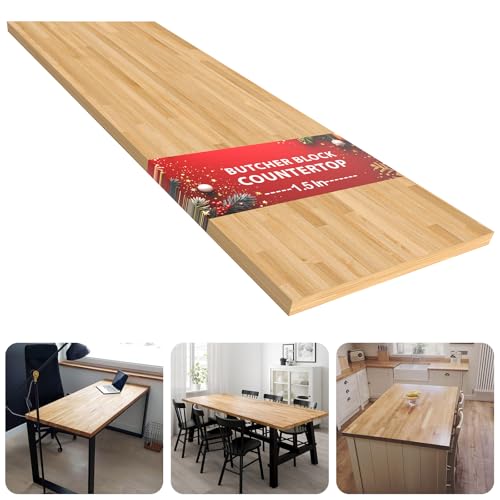
Gracava Durable Birch Wood Butcher Block Table Top for Custom Kitchen Surfaces
- Premium Solid Birch Wood Construction: made from durable birch hardwood with natural tight grain...
- Unfinished & Customizable Surface: smooth-sanded and ready for finishing—choose oiling, staining...
- Multi-Purpose & Suitable for Various Spaces: a practical choice for kitchen countertops, island...
Solid birch hardwood forms the backbone of this robust countertop surface, prized for its dense, close grain that supports heavy kitchen tasks without faltering. It’s designed to endure, providing a stable base for food prep, appliances, and workshop activities alike.
Presented with a smooth, unfinished finish, this block invites complete customization so you can match your space’s unique look — whether it’s rustic charm or sleek modern minimalism. The 1.5-inch thickness ensures it won’t buckle or warp easily, even under pressure, making it ideal for lasting installations.
Packaged with extra care to preserve its pristine condition, this slab arrives ready to become your next DIY centerpiece. Gracava offers a functional blend of natural beauty and practical performance, with each piece showcasing distinctive grain patterns that add authentic warmth to any room.
Applying your own coatings, from oils to epoxies, transforms its surface into a personalized, resilient worktop. Its versatility spans kitchen islands, laundry areas, office desks, and crafting stations, satisfying a wide range of household and professional demands.
Best for: Home renovators and creative DIYers seeking customizable and long-lasting wood surfaces that combine aesthetic appeal with practical toughness.
Pros:
- Constructed from premium solid birch wood with tight grain for strength
- Unfinished surface ready for tailoring with various finishes
- Dimensions and thickness provide solid support for heavy use
- Carefully packaged to prevent warping and damage
- Distinctive natural grain adds warmth and character
Cons:
- Unfinished surface requires additional effort to seal and protect
- Potential visible wood joint gaps on edges may need attention for some users
Technical Breakdown: Best Wood for Kitchen Countertops
| Product Name | Material | Dimensions (L × W × H) | Thickness | Surface Finish |
|---|---|---|---|---|
| Gracava Birch Butcher Block | Birch Wood, tight grain structure | 50″ × 25.1″ × 1.5″ | 1.5 in solid hardwood | Unfinished, smooth-sanded, customizable |
What Should You Look For in Kitchen Countertop Wood?

Choosing the right wood involves balancing strength, aesthetics, and maintenance. Below are crucial factors that reveal how countertop wood performs in the kitchen.
Grain Density and Tightness
Grain density refers to how closely packed the wood fibers are, which affects its durability against scratches, dents, and moisture. Woods with tight, dense grain patterns tend to resist damage better because fewer gaps allow water or bacteria to settle.
Take birch wood as an example. It boasts a closely packed grain structure that naturally limits moisture absorption. This tight arrangement not only protects against surface damage but also helps the wood withstand heavy use without warping or swelling.
Choosing wood with low grain density often results in countertops that quickly show wear, stains, and swelling. Opting for dense, tight-grained wood ensures a longer-lasting, more sanitary surface that stands up well in busy kitchens.
Durability and Hardness
Durability refers to how well wood handles everyday use, while hardness ratings like Janka give a clear measure of its resistance to dents and scratches. For kitchen countertops, the wood must stand up to knife marks, heat, and impact without losing its strength or appearance.
Birch scores fairly high on these hardness scales, making it tough enough to endure heavy chopping and the weight of appliances. Its dense grain structure also helps prevent cracking or splitting, which softer woods often struggle with under constant use.
Using a softer wood could lead to frequent scratches and dents, meaning more time and money spent on refinishing or replacement. This can interrupt your kitchen’s function and add unexpected costs, so opting for a hard, durable wood ensures longevity and fewer hassles.
Thickness and Stability
Countertops need the right thickness to provide strong structural support and lasting durability. This thickness helps keep the surface stable, so it won’t warp or twist when exposed to heat or moisture.
The Gracava Birch block features a 1.5-inch solid hardwood thickness, offering a great balance between weight and toughness. This thickness ensures the surface stays flat and resilient even with heavy, daily use. Thin slabs are more likely to bend, crack, or warp, especially in humid kitchen spaces.
Choosing a countertop with adequate thickness means fewer repairs and a longer-lasting, more dependable work surface. It’s a smart way to avoid damage and uneven wear down the line.
Finish and Customization
Wood finishes shield surfaces from stains and moisture while shaping the overall look. Choosing an unfinished wood means you get to apply oils, stains, or sealants that match your kitchen’s vibe perfectly.
The Gracava Birch, with its smooth, unfinished surface, offers full control over customization. Whether your style is rustic or modern, you decide the protective layer, giving more freedom than pre-finished woods that come with limited options.
Picking the right finish is essential. Without proper treatment, moisture can seep in, causing discoloration and damage that ruins both appearance and durability over time.
Maintenance and Longevity
Maintenance plays a big role in how long your wood surface will last. It involves regular tasks like sealing, sanding, or fixing small damages. Woods with high durability and dense grain usually need less care, making them easier to live with.
Birch is a good example. Its hardness and ability to take finishes well means you only need to oil it now and then and do minimal sanding. This keeps the wood looking fresh for years. Softer, more porous woods, on the other hand, demand constant attention to prevent wear and tear.
Choosing the right wood with low maintenance needs can save you from frequent repairs. You’ll end up with a surface that ages gracefully, avoiding costly replacements or endless upkeep. That’s why maintenance considerations should be part of your decision from the start.
Frequently Asked Questions
Is birch wood the best choice for kitchen countertops?
Birch wood rates highly due to its dense grain and sturdy hardness, making it a strong contender for kitchen surfaces. Its resistance against moisture and dents positions it well among hardwood options.
Many woods either absorb stains quickly or are too soft, but birch strikes a balance by providing durability without extreme hardness that complicates machining.
Applying a proper finish enhances birch’s longevity, so selecting the right sealant is crucial to protect from spills and heat.
How does the thickness of wood affect countertop performance?
Wood thickness plays a key role in countertop durability. Thicker pieces, such as the 1.5-inch Gracava Birch, provide a solid, stable surface that handles daily wear better.
Thin wood tends to flex or crack more easily when exposed to pressure and temperature shifts. This can cause premature damage and increase maintenance costs.
Choosing the right thickness ensures your countertop stays strong and reliable, especially in kitchens with heavy use or frequent chopping.
Should I choose a finished or unfinished wood countertop?
Choosing between finished and unfinished wood countertops hinges on the level of control you want over the look and protection. Unfinished wood lets you apply your own oils or stains, giving you a chance to match your kitchen’s vibe perfectly.
Finished wood is convenient out of the box but can limit your style choices and might not handle moisture as well in humid kitchens. This can affect durability and appearance over time.
Going with unfinished wood means embracing a hands-on approach that offers a personalized finish and care routine, ideal for those who want something truly unique and adaptable.
What maintenance is required for birch wood countertops?
Birch wood countertops need regular oiling to keep their moisture resistance intact. This simple step helps prevent drying and cracking over time.
Occasional sanding removes minor scratches and wear marks, preserving the surface’s smooth feel. Birch’s dense grain offers natural durability, but busy kitchens still demand consistent attention.
With proper upkeep, your birch countertop will stay beautiful and last for many years, handling daily use without losing charm.
Can birch wood withstand kitchen heat and moisture?
Birch wood is known for its tight grain and moderate resilience, making it a popular choice in kitchens. However, it’s not completely immune to damage from heat or moisture.
Proper sealing is essential to protect the wood from steam, spills, and hot pots. While the grain slows moisture absorption, prolonged exposure can cause swelling and discoloration.
Using trivets and quickly wiping away spills helps maintain birch’s durability and natural charm over time.
Why Birch Wood Tops Change Kitchen Countertops?
Choosing the right wood closes the gap between appearance and function by offering durability, moisture resistance, and a texture that supports heavy kitchen use without damage. Birch’s tight grain and solid thickness transform countertops from vulnerable surfaces into lasting kitchen workhorses.
Heavy daily prep suits thick, dense woods like birch, while lighter use might accommodate more decorative or softer options. Selecting unfinished birch allows tailoring the exact finish to your kitchen’s style and needs.
Applying consistent oil treatments and avoiding heat spikes ensure longevity. Pay close attention to size and thickness compatibility in your space, as improper fit can lead to steam traps or warping over time.
Last update on 2026-04-01 / Affiliate links / Images from Amazon Product Advertising API