
Best African American History Books That Transform Understanding and Inspire

- Audible Audiobook
- Top Rated
- Trusted Pick
So many history books feel like they’re just repeating the same surface-level stories about African American history. It gets exhausting — important stories get reduced to a few dates or generic facts, leaving you wondering where the real depth is. The richness, the struggle, the resilience all seem to get lost.
Black AF History dives deep with a bold, unapologetic voice that rewrites the familiar narrative. The Mis-Education of the Negro takes a critical look at how education has shaped Black identity through systemic neglect. These two books offer powerful yet distinct approaches: one breaks history open with vivid storytelling, the other challenges the roots of knowledge itself.
The African-American History Makers Collection also steps in with engaging biographies tailored for younger readers, filling the gap for early learners eager to grasp key figures in Black history.



Essential Reads Unveiling African American Heritage
Unearthing the true depth of African American experiences requires books that challenge mainstream narratives and celebrate resilience. Selecting the right history books transforms understanding into empowerment.
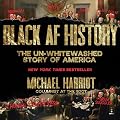
1. Black AF History: The Un-Whitewashed Story of America – A Must-Read African American History Book

- Audible Audiobook
Most history books barely scratch the surface when it comes to African American stories. They often present a narrow perspective, glossing over the rich complexities and resilience found in Black history. Black AF History: The Un-Whitewashed Story of America shatters that norm, diving into the unfiltered truth with vivid clarity.
This book challenges you to rethink what you’ve accepted as history. It moves beyond dates and events to reveal the bold, layered narratives of struggle, achievement, and culture that mainstream histories tend to overlook.
Its engaging style makes it accessible without losing depth. This isn’t just a book for historians; it’s for anyone seeking a more honest understanding of America’s past and the vital contributions of African Americans.
Durable in its themes and powerful in its voice, this book holds up against repeated reading and reflection. It prompts critical conversations and encourages readers to connect with history on a personal level.
Maintaining its relevance through timeless insights, it remains a useful resource for educators, students, and history enthusiasts. The book’s unique approach invites you to witness a more complete American story, one that refuses to be whitewashed.
Best for: Readers who want an empowering, unfiltered exploration of African American history beyond the usual narratives.
What We Like:
- Bold, unapologetic storytelling that confronts misconceptions
- Comprehensive coverage of African American history’s key moments and figures
- Highly engaging and accessible writing style
- Encourages deeper cultural and historical awareness
- Serves as an effective educational tool and discussion starter
Specification:
| Specification | User Benefit |
|---|---|
| Content Depth | Provides thorough historical insights that challenge conventional histories |
| Writing Style | Balances scholarly detail with approachable narrative for broad readership |
| Durability of Themes | Offers lasting relevance to readers and educators over time |
| Educational Value | Aids learning and fosters critical thinking about cultural heritage |
| Engagement Level | Keeps readers interested through compelling storytelling and vibrant perspectives |
2. The Mis-Education of the Negro – A Timeless Exploration of Cultural Identity


Have you ever questioned the stories you’ve been told about African American history? “The Mis-Education of the Negro” challenges conventional narratives by revealing the profound effects of systemic educational neglect on Black Americans.
Crafted by Carter G. Woodson, this book goes beyond recounting historical events. It questions the very foundation of what has been taught and invites readers to rethink how African American identity has been shaped through education.
This work remains relevant today because it exposes how misinformation and omission can distort cultural understanding. Woodson’s sharp insights urge readers to reconsider the sources and intentions behind history lessons.
With its compelling arguments and accessible style, “The Mis-Education of the Negro” provides both historical context and a critique of education’s role in societal inequality. It serves not just as a book but as a call to understand and reclaim cultural heritage.
Best for: Readers seeking a critical, foundational perspective on African American history and education’s impact on cultural identity.
What We Like:
- Provokes deep reflection on how education shapes cultural narratives
- Written by a pioneering African American historian and scholar
- Engages readers with thought-provoking, clear arguments
- Offers timeless insights that remain applicable to contemporary discussions
Specification:
| Specification | User Benefit |
|---|---|
| Author: Carter G. Woodson | Insights from a leading authority in African American historical scholarship |
| Focus on educational critique | Challenges readers to critically analyze educational content and its impact |
| Accessible prose | Makes complex themes understandable for a wide audience |
| First published 1933 | Provides a historic perspective on longstanding educational issues |
| Explores systemic misinformation | Encourages awareness of cultural misrepresentation and the need for accurate history |
3. African-American History Makers Collection (National Geographic Kids Readers): Engaging Stories for Young Explorers

Diving into African American history can feel daunting, especially for young readers new to these powerful stories. The African-American History Makers Collection by National Geographic Kids offers a unique entry point that grows alongside its audience, starting with simple narratives and advancing in complexity. It’s a series designed not just to inform, but to inspire curiosity about history through relatable storytelling.
This collection balances accessibility with depth by breaking down impactful moments and figures in African American history into levels suited for emerging readers. It reflects how history is not a static story but a living tapestry shaped by courage, innovation, and resilience. The books help readers grasp significant cultural contributions without overwhelming details, making historical learning a journey rather than a chore.
The durability and vivid photography typical of National Geographic Kids add to the appeal, engaging young minds visually and intellectually. Maintenance is minimal, ideal for classrooms or home libraries where repeated use demands sturdy construction. Carefully curated content ensures that young readers experience narratives that challenge stereotypes and broaden understanding, highlighting unsung heroes as well as well-known figures.
More than a reading set, this collection empowers children to see themselves reflected in history’s narrative and recognizes the transformative power of representation. It highlights how African American history is central to American history, inviting readers to reevaluate common assumptions about who shapes our shared story.
Best for: Parents and educators seeking an evolving, age-appropriate introduction to African American history for children.
What We Like:
- Progressive reading levels that build comprehension over time.
- Engaging visuals that complement the narratives and enhance retention.
- Focus on both prominent and lesser-known African American figures.
- Durable construction suited for repeated handling in educational settings.
- Inclusive storytelling that broadens perspectives from an early age.
Specification:
| Specification | User Benefit |
|---|---|
| Multiple reading levels | Facilitates gradual learning suitable for different age groups |
| Vivid National Geographic photography | Engages visual learners and makes history tangible |
| Durable, hardcover format | Withstands frequent use in homes or schools |
| Age-appropriate language | Ensures comprehension without oversimplifying content |
| Wide range of historical figures | Provides a fuller, richer understanding of African American contributions |
Distinctive Features of Top African American History Books Explored
| Book Title | Theme Focus | Audience Level | Unique Presentation |
|---|---|---|---|
| Black AF History | The Un-Whitewashed Story of America | General readership | Bold, unapologetic narrative style |
| The Mis-Education of the Negro | Critical analysis of education’s impact | Academic and adult readers | Thought-provoking, influential essay format |
| African-American History Makers Collection | Biographies of key figures in history | Levels 1, 2, & 3, kids readers | Multi-level series for growing readers |
Which Key Factors Make These the Best African American History Books?

Diving into African American history books is more than reading stories—it’s about connecting with cultural depth and transformative insights. With so many titles available, knowing what truly sets the best books apart helps you choose narratives that resonate and educate profoundly.
Depth and Authenticity of Historical Narrative
The core of any great African American history book lies in its depth and authenticity. This factor determines if the book merely skims the surface or uncovers the nuanced realities of Black experiences. The difference is often found in how extensively the book explores untold stories, challenges myths, and confronts omissions in mainstream accounts.
Books like Black AF History showcase unfiltered, raw accounts, using vivid storytelling that refuses to whitewash events. The author’s approach uses meticulous research combined with engaging prose to peel back layers of sanitized history. This technique pulls readers closer to the lived realities of resistance, culture, and survival.
Ignoring this depth results in reading materials that fail to challenge preconceived notions or inspire true understanding. Without authentic narratives, the reader misses the powerful complexities that define African American history beyond simple timelines.
Critical Examination of Social and Educational Constructs
Books that scrutinize how education and societal systems shape African American identity are invaluable to comprehension. This factor focuses on the work’s ability to dissect educational and systemic influences that have historically misrepresented or marginalized Black voices.
For example, The Mis-Education of the Negro by Carter G. Woodson critically questions traditional curricula and the impact of systemic neglect on cultural identity. Its essayistic style drives home the profound consequences of misinformation and omission, making readers rethink accepted historical frameworks.
Failing to consider this aspect risks consuming incomplete or even misleading knowledge. Without critical examination, readers may accept biased histories, missing the roots of contemporary social challenges and cultural resilience.
Accessibility to Readers of Different Ages and Levels
Not every history book targets the same audience; accessibility is a vital factor. This means how well the content adapts to readers’ comprehension levels and interests, notably when introducing young audiences. A book’s ability to engage different age groups directly affects its educational power.
The African-American History Makers Collection excels at this by offering multi-level chapters designed specifically for children and young adults. This series balances factual biography with storytelling that’s both informative and approachable, gradually increasing in complexity as readers grow.
Choosing books without considering reader accessibility could alienate younger audiences or overwhelm newcomers, limiting the book’s educational impact and potential to nurture lifelong learners.
Narrative Style and Engagement
How history is told shapes readers’ connection to the material. Narrative style—whether bold and unapologetic or reflective and analytical—can transform factual recounting into inspiring storytelling. This factor ensures the book captivates, holds attention, and provokes thought.
Black AF History employs a bold narrative style that breaks conventional expectations, energizing readers with an unvarnished voice. Conversely, The Mis-Education of the Negro uses a thoughtful essay format that invites deeper reflection. Both styles contribute uniquely to reader engagement while preserving historical integrity.
Ignoring narrative style may result in dry, inaccessible texts that fail to inspire curiosity or empathy. Engaging storytelling acts as a bridge connecting readers emotionally and intellectually to past experiences.
Representation and Inclusion of Diverse Perspectives
Representation of diverse experiences in African American history books is a vital factor. It means capturing stories from various regions, genders, generations, and social backgrounds to build a complete narrative. Books that do this well offer a richer, more authentic understanding of history’s complexity.
Quality works highlight both prominent and lesser-known figures, weaving their lives into a complex network of influences. For example, showcasing local leaders alongside national icons adds layers of meaning. This method pushes readers to see beyond the familiar stories and appreciate the community’s depth and diversity.
Ignoring this factor risks presenting a limited view, reducing African American history to stereotypes or isolated events. Readers might miss out on the vibrant intersectionality that shapes identity and culture, resulting in an incomplete and less impactful narrative.
Educational Value and Cultural Impact
The real measure of a book’s worth is the impact it has on readers’ knowledge and perspectives. Educational value goes beyond facts to include how effectively a book fosters critical thinking, empathy, and cultural pride. This factor defines the lasting influence of the work.
A book like The Mis-Education of the Negro remains relevant decades after publication because it challenges readers to question systemic injustices, encouraging ongoing dialogue and social awareness. Its influence extends into classrooms and communities, sparking change.
Books that overlook educational value risk becoming mere trivia collections without inspiring meaningful reflection or action. The best books plant seeds for empowerment and continued learning.
Presentation and Usability Features
Presentation and usability shape how readers connect with a book’s content. This factor influences whether the material feels inviting or overwhelming, especially for diverse audiences. Clear layout, helpful illustrations, and organized chapters contribute to a smooth reading journey.
Take the African-American History Makers Collection as an example. It uses vibrant photos, timelines, and interactive questions to create a dynamic experience. These elements work together to deepen comprehension and keep readers actively engaged throughout the book.
Ignoring presentation risks disengagement and confusion. Without thoughtful design, important stories may feel inaccessible, causing readers to lose interest. Well-crafted usability features ensure complex histories resonate and remain memorable for everyone.
Frequently Asked Questions
What makes Black AF History unique among African American history books?
Black AF History offers a raw and honest dive into stories often overlooked in traditional history books. Its bold, narrative style brings forward the resilience and complexity of Black experiences in a way that pushes readers to think differently.
The author doesn’t shy away from challenging common myths and encourages a deeper look at uncomfortable truths. This book shines by presenting history through an unapologetic lens.
Be prepared to question familiar ideas and embrace new perspectives that expand your understanding of Black history.
How does The Mis-Education of the Negro contribute to understanding African American identity?
The book explores how educational systems have often failed African Americans, shaping their cultural identity through omission and distortion. It challenges readers to rethink what they know about history and knowledge.
Carter G. Woodson presents this critique in a clear essay format, showing the lasting impact of misinformation on identity. His work remains a vital reference for those exploring African American heritage.
Keep in mind, this book demands attention to detail and a willingness to confront uncomfortable truths for a powerful learning experience.
Is the African-American History Makers Collection suitable for children who are new to history?
This collection is crafted to introduce young readers to African American history through engaging stories that grow with their skills. It balances simplicity and depth, making key historical figures accessible without overwhelming newcomers.
Each book uses vivid illustrations and language tailored to different reading levels, helping build confidence and interest gradually. This approach not only teaches facts but also fosters a genuine connection to history.
Choose the right level for your child’s current skills to ensure they stay motivated and enjoy learning without frustration.
Which book is best for academic research on African American history?
The Mis-Education of the Negro stands out for its rigorous, scholarly focus on systemic issues in education and cultural identity. It moves beyond storytelling to offer deep critical analysis, making it essential for serious academic work.
This book’s influential essays have shaped African American historiography and are widely cited in research. Pairing it with narrative histories can add valuable context and balance to your studies.
When referencing this work, always check the original context carefully to ensure scholarly accuracy and respect for its foundational insights.
Can these books together provide a comprehensive view of African American history?
These books each highlight unique aspects, such as personal stories, scholarly critique, and youth-friendly biographies. Their combination creates a richer, more layered picture of African American history. This approach connects larger cultural movements with individual experiences, making history feel both broad and intimate.
For example, pairing a detailed academic work with a memoir brings context and emotional depth, helping readers grasp complex themes more clearly. Each book fills in gaps the others leave, making the collection truly well-rounded.
Mixing multiple sources will deepen your appreciation and give you a balanced view. Avoid sticking to just one book if you want the fullest understanding.
Unlocking the Power of African American Stories
Filling a vital gap, these historical works transform our connection to African American culture by revealing overlooked narratives and challenging misconceptions. Choosing the right book gives readers a deeper understanding and respect for the community’s rich heritage and ongoing struggles.
For those drawn to personal testimonies and bold perspectives, titles like Black AF History resonate deeply. Educators and families seeking accessible introductions should explore collections tailored to younger readers or those new to these stories.
Engage with each text thoughtfully, recognizing the importance of context and reflection. Be mindful of the book’s scope and approach to fully appreciate the nuanced experiences shared within these transformative narratives.
Last update on 2026-10-31 / Affiliate links / Images from Amazon Product Advertising API