
Best Bathroom Subfloor: Top Choices for Lasting Moisture Defense
Bathroom floors soak up spills fast. Wood beneath bubbles and bends. It turns your peaceful space into a patchwork of cracks and stains.
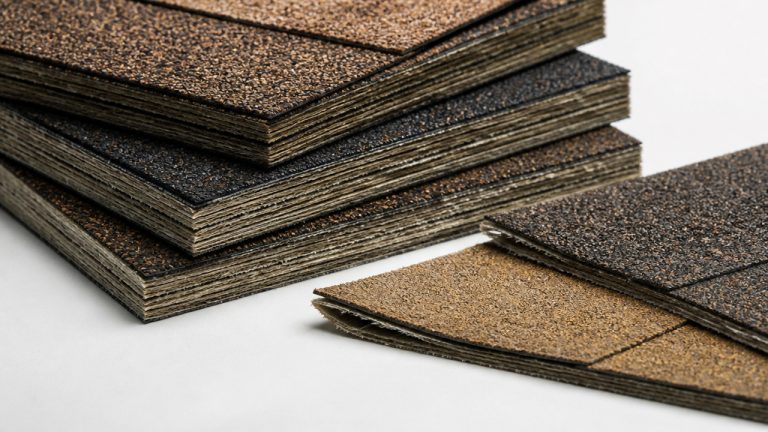
Vinyl plank tiles build a waterproof fortress over your subfloor. They install quickly with peel-and-stick simplicity. Their water-resistant surface blocks moisture and warping.
These tiles make upgrades easy and mess-free. No tools, no fuss—just lasting protection and a fresh look.
Durable & Moisture-Resistant Bathroom Subfloor Choices
Moisture can quickly ruin poorly chosen subfloors, causing warping and mold growth. Using materials built for wet environments safeguards your bathroom’s foundation and extends its lifespan.
1. FunStick Brown Walnut Vinyl Plank Flooring Tiles 6×36 Inch Peel & Stick for Wet Areas

- 𝐍𝐎𝐓𝐄: Since the length of the peel and stick floor tile wood look is 36Inch (91.44cm...
- 𝐅𝐄𝐀𝐓𝐔𝐑𝐄𝐒 & 𝐌𝐀𝐓𝐄𝐑𝐈𝐑𝐋: Peel and stick floor tile, self...
- 𝐒𝐈𝐙𝐄: One package contains 5 vinyl flooring planks with size 6x36 inch, thickness...
Struggling with moisture damage under your bathroom floors? These floors stay protected thanks to their waterproof and moisture-resistant vinyl construction, a crucial barrier where water and humidity frequently threaten traditional materials.
The adhesive backing enables a simple peel-and-stick installation on smooth, dry surfaces, eliminating the need for messy glues or nails. You can easily reposition or remove the planks without leaving residue or damaging the subfloor beneath.
Each plank measures 6 by 36 inches and features a textured brown walnut wood pattern that uplifts the aesthetic without compromising practicality. The durable vinyl surface is anti-slip and easy to clean, making it especially suited for high-traffic or wet zones like bathrooms or kitchens.
FunStick’s design offers flexible application options—not just floors but also walls or backsplashes—giving you opportunities to maintain a cohesive look throughout your space. The thickness of 0.06 inches provides enough sturdiness while maintaining flexibility for varied installation needs.
Best for: Homeowners seeking a durable, waterproof, and easy-to-install flooring layer that withstands bathroom humidity and supports multiple surfaces.
Pros:
- Strong adhesion with peel-and-stick convenience
- Waterproof vinyl that prevents moisture intrusion
- Anti-slip surface suitable for bathrooms and kitchens
- Realistic brown walnut wood aesthetic
- Multipurpose use for floors, walls, and backsplashes
Cons:
- May require heavy objects to flatten after shipping curl
- Color variation possible between different batches
Technical Attributes of Leading Bathroom Subfloor Vinyl Tiles for Durability and Moisture Resistance
| Product Name | Material | Dimensions (LxW) | Thickness | Other Features |
|---|---|---|---|---|
| FunStick Brown Peel & Stick Tile | Vinyl | 36 x 6 inches | 0.06 inches | Waterproof, adhesive, anti-slip, removable |
How to Choose the Best Bathroom Subfloor for Lasting Performance?

Picking the right bathroom subfloor isn’t just about supporting your tiles or vinyl; it’s about withstanding moisture, ensuring stability, and preventing costly damage. Several crucial factors dictate whether your subfloor will keep your bathroom dry and solid for years.
Moisture Resistance and Water Damage Prevention
Moisture resistance is the linchpin for any bathroom subfloor. Since bathrooms endure constant humidity, spilled water, and occasional leaks, the subfloor must keep water from penetrating and damaging structural elements. If water seeps through, it breeds mold and weakens the supports.
Materials like marine-grade plywood and cement backer boards inherently resist water better than standard plywood. Their dense composition limits water absorption. Some subfloors incorporate water-repellent additives or coatings, creating a barrier that slows moisture migration.
Neglecting moisture resistance invites warped wood, swollen panels, and pervasive mold growth behind your finished floor. This leads to repairs that cost far more than the initial investment in a proper subfloor.
Durability and Structural Strength
The subfloor acts as the foundation for your bathroom floor, bearing constant weight from foot traffic, plumbing fixtures, and cabinets. Durability is crucial to avoid sagging or warping that can ruin tile or vinyl installations. A strong subfloor keeps everything firm and level, preventing costly repairs down the line.
Common choices like 3/4-inch, 5-ply plywood or cement board provide excellent compressive strength and resist bending over time. Fastening with screws instead of nails ensures a tight grip, reducing any potential movement or creaking noises. This setup locks the structure in place and adds long-term stability.
Neglecting subfloor strength leads to issues such as uneven surfaces, cracked tiles, and peeling vinyl. These problems not only harm the floor’s appearance but also shorten its durability, forcing earlier replacements and maintenance expenses.
Compatibility with Flooring Types
Choosing a subfloor that works well with your finish flooring is key for a durable and comfortable floor. The right match ensures proper adhesion, the right level of firmness, and a smooth feel underfoot. Different flooring materials need specific subfloor qualities to perform their best.
For example, vinyl tiles like FunStick Brown Walnut Peel & Stick Vinyl require a clean, flat surface to stick firmly and prevent bubbles. Ceramic tiles do best on cement backer boards, which offer rigidity and moisture resistance. Laminate floors benefit from plywood subfloors since they provide a little flexibility without sacrificing strength.
Skipping this step or using the wrong subfloor can cause poor bonding, uneven surfaces, and early wear. The result is often costly repairs and a floor that won’t last as long as it should.
Ease of Installation and Repair
Installing a subfloor that’s easy to work with can make a huge difference in your bathroom project. It not only speeds up the job but also means repairs down the line won’t be a headache. This factor is crucial because a complicated subfloor can turn into a costly and frustrating endeavor.
Materials like lightweight plywood or engineered panels often come with pre-cut sizes and interlocking edges, making them straightforward to handle. For example, peel-and-stick vinyl tiles need very little prep and can be swapped out quickly if damaged. On the other hand, cement boards demand precise cutting and special fasteners, which can trip up less experienced installers.
Ignoring ease of installation can lead to delays, extra expenses, and avoidable damage during repairs. If the subfloor is tricky or unforgiving, you might find yourself stuck paying for professional help or dealing with hidden issues later, ruining your renovation plans.
Cost Versus Longevity
Balancing upfront cost with the expected durability of your subfloor is crucial. Choosing a cheap option, like low-grade plywood, might save money initially, but it often leads to costly repairs down the line. The key is finding a material that holds up well without breaking the bank.
Materials like cement board and marine plywood come with higher price tags but offer far better resistance to moisture and warping. Cement boards resist mold, and marine plywood handles water exposure much better than standard wood. These materials protect your bathroom floor from damage caused by humidity and leaks.
Ignoring this balance can mean frequent fixes or replacements later, which add up. Spending a bit more upfront on a solid subfloor can avoid the hassle and expense of repairs, preserving your floor’s integrity over time and saving money in the long run.
Thickness and Load Distribution
Subfloor thickness plays a crucial role in providing a sturdy base and evenly distributing the weight of your bathroom fixtures. If the subfloor is too thin, it can flex or bounce, causing discomfort and potential damage. On the other hand, a very thick subfloor might complicate the installation of doors, cabinets, or thresholds.
Most bathroom subfloors fall between 1/2 inch and 3/4 inch thick. Thicker materials are essential when installing heavy surfaces like tile, as they offer better support and reduce the risk of cracking. For example, cement backer boards are often added to increase thickness and durability without compromising stability.
Ignoring the right thickness can result in floors that bounce underfoot, cracked tiles or grout, and structural weakness. Ensuring proper load distribution helps safeguard your bathroom’s longevity and comfort.
Mold and Mildew Resistance
Mold and mildew resistance is essential for any bathroom subfloor. Bathrooms often stay damp, creating a perfect place for mold to grow. Choosing a subfloor that resists mold ensures better air quality and a safer environment.
Cementitious backer boards and specially treated plywood are popular options because they don’t hold moisture like regular wood. These materials either contain antifungal additives or have dense surfaces that block mold spores from settling. For example, cement boards use inorganic components that naturally resist fungus and decay.
If you ignore mold resistance, your subfloor can quickly spoil. This leads to unpleasant odors and potential health problems like allergies. Over time, moisture damage damages the flooring above, forcing expensive repairs and mold removal treatments that could have been avoided with the right subfloor choice.
Frequently Asked Questions
What makes a subfloor suitable for bathrooms?
Your bathroom subfloor needs to resist moisture and hold up against frequent humidity changes. Materials that prevent warping and mold growth are essential here.
For example, plywood treated with waterproofing or cement board is commonly used because it doesn’t absorb water like traditional wood. This helps maintain a stable base under tile or vinyl flooring.
Always ensure the subfloor is installed with proper sealing to prevent water infiltration from below.
Is plywood a good choice for bathroom subflooring?
Plywood is broadly favored for bathroom subfloors due to its strength and availability. However, it’s important that it’s treated or paired with a moisture barrier. Untreated plywood can absorb water and deteriorate quickly.
Many pros use a marine-grade or exterior plywood variant, or cover it with a cement board. This layering supports tile adhesion and blocks moisture from reaching wood layers.
Never install plywood directly under tile without a cement board or waterproof layer to avoid damage.
Can vinyl peel & stick tiles be installed directly over a bathroom subfloor?
Vinyl peel & stick tiles can go over many subfloors if the surface is clean, flat, and free of moisture. Their waterproof nature complements bathroom conditions well.
The FunStick Brown Peel & Stick Tile, for instance, measures 36 x 6 inches and is 0.06 inches thick, designed with an adhesive backing ideal for smooth subfloors.
Ensure the subfloor is fully dry and smooth before installation to avoid poor adhesion or peeling.
How thick should a bathroom subfloor be for durability and moisture resistance?
Most bathroom subfloors range from 3/4 inch to 1 inch thick depending on layers like plywood and cement board. Thicker floors provide better stability and resistance against heavy fixtures.
Adding a cement backer board around 1/4 inch thick on top of plywood is common, creating a stable and moisture-resistant base for tiles or vinyl.
Don’t compromise thickness as too thin floors can flex and crack tiles or other finish flooring.
What installation tips improve bathroom subfloor longevity?
Sealing all edges and joints tightly is crucial to prevent water damage. Applying waterproof membranes beneath tile or vinyl floors adds an extra layer of defense, extending the subfloor’s life.
Ensuring the subfloor is perfectly level by sanding or patching fixes helps avoid future problems such as bubbling or cracking in the finished surface.
Always inspect for loose boards or squeaks and fix them prior to installing your final flooring layer.
Key Factors for Durable Bathroom Subfloors
The foundation beneath your bathroom floor is essential for preventing moisture damage and maintaining structural integrity. Selecting the correct subfloor material transforms your renovation into a project that prioritizes moisture resistance and long-term reliability, avoiding issues like mold and warping.
Vinyl-over-plywood or pressure-treated plywood with a waterproof membrane works excellently for consistently damp environments. For high-traffic bathrooms, consider waterproof vinyl tiles with a moisture-resistant underlayment. Those seeking a quick update with minimal fuss may find peel-and-stick options most practical.
Make sure your floor framing is level and free from damage before installation, as this prevents future problems. Also, properly sealing edges and joints is crucial to maintain long-lasting bathroom floors and protect against moisture infiltration.
Last update on 2026-10-15 / Affiliate links / Images from Amazon Product Advertising API