
Best Flowering Shrubs Shade: Vibrant Blooms for Low-Light Gardens
Shade gardens often feel like a puzzle missing a vibrant piece. Less sun means fewer blooms, leaving many shrubs dull or bare. It’s frustrating watching your shaded spots stay lifeless while other areas burst with color.
The Encore Azalea Embers Azalea brings bright red flowers through spring to fall, thriving in partial sun. Proven Winners Double Play Doozie Spirea adapts smoothly from full sun to partial shade, offering deep red to purple blooms.
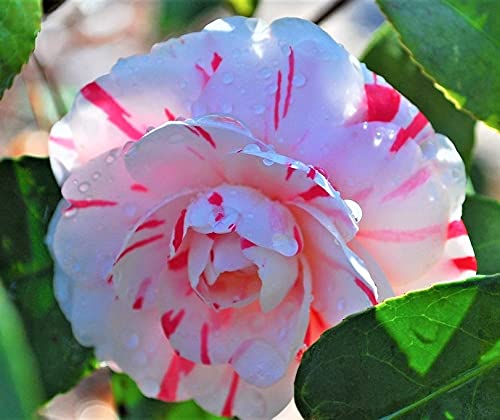
The LA Peppermint Camellia Japonica fills the space with its unique peppermint-toned flowers, flourishing even in full shade. It breaks the mold where most shrubs lose their color under low light.
| Image | Name | Editor's Rating | Price |
|---|---|---|---|

|
Encore Azalea Embers Azalea, 2 Gal, Red
|
|
|

|
Proven Winners 2 Gal. Double Play Doozie Spirea Shrub
|
|
|
|
(1) - LA Peppermint Camellia Japonica - Starter Plant (4L) (...
|
|
|
|
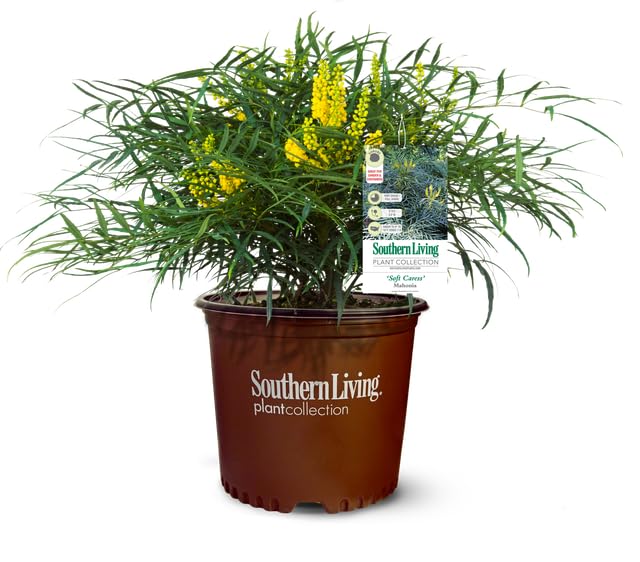
Southern Living Soft Caress Mahonia,1-Gallon Evergreen Flowe...
|
|
|
|
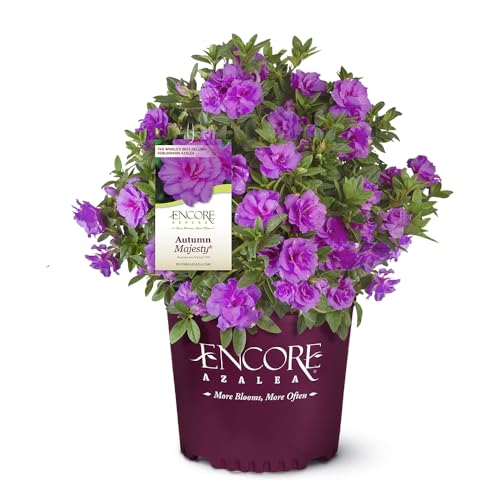
Encore Azalea 1 Gal. Autumn Majesty Azalea Shrub
|
|
Vibrant Flowering Shrubs That Brighten Shaded Gardens
Shade often saps garden vibrancy, making it tough for flowering shrubs to flourish. Selecting plants resilient to low light ensures lively blooms and thriving landscapes in shadowed spots.
1. Encore Azalea Embers Azalea – Vibrant Red Flowering Shrub for Shaded Gardens
- Thrives in USDA zones 6-10
- Grows to mature size 42″ W x 36″ H
- Evergreen – Year round interest

Shade gardens often pose a challenge when it comes to finding flowering shrubs that can bloom beautifully without full sun. The Encore Azalea Embers Azalea changes the game by thriving in partial sun while offering a striking splash of red color. Its ability to bloom from spring through fall defies the common belief that shade means fewer flowers.
This shrub reaches about 36 inches tall and 42 inches wide, making it a substantial presence without overwhelming smaller spaces. Its evergreen nature ensures year-round visual interest, not just fleeting seasonal blooms.
Designed for low maintenance, this azalea suits gardeners who want vibrant colors without a high upkeep burden. It’s adaptable for container planting, landscape accents, or natural borders, providing versatile use in outdoor spaces that don’t get full sun.
Planting care includes ensuring moist soil and mixing organic material for successful root development. The plant ships trimmed to support health, signaling thoughtful cultivation and transport practices that help it establish quickly in your garden environment.
Best for: Gardeners seeking a resilient, eye-catching flowering shrub for shaded or partially sunlit outdoor spaces.
What We Like:
- Blooms continuously from spring to fall, enhancing shaded areas with color
- Evergreen foliage offers year-round greenery and structure
- Low maintenance requirements suit busy gardeners or beginners
- Adaptable for use in containers, landscapes, or as accent plants
- Moderate water needs help conserve resources without stressing the shrub
Specification:
| Specification | User Benefit |
|---|---|
| USDA Hardiness Zones 6-10 | Ensures the shrub can survive in a wide range of climates |
| Height 36 inches | A manageable size ideal for medium landscaping or container placement |
| Width 42 inches | Provides substantial coverage without crowding |
| Evergreen | Maintains garden interest through all seasons, not just bloom periods |
| Partial Sun Exposure | Thrives in shaded or dappled light areas, expanding placement options |
| Low Maintenance | Requires minimal care, reducing time and effort for upkeep |
| Blooms Spring to Fall | Offers extended flowering periods for prolonged visual appeal |
| Moderate Watering Needs | Balances hydration needs to keep the plant healthy without excessive watering |
2. Proven Winners 2 Gal. Double Play Doozie Spirea Shrub – Vibrant Shade-Tolerant Flowering Shrub
- Thrives in USDA zones 3-8
- Grows to mature size 24-36″ W x 24-36″ H
- Full sun to partial shade
Imagine a flowering shrub that stands out even in dappled shade, defying the usual need for full sun to shine. The Proven Winners Double Play Doozie Spirea achieves just that, transforming partly shaded spaces into vibrant displays of deep red to purple blooms.
This spirea’s adaptability is striking. While many flowering shrubs falter with limited sunlight, the Double Play Doozie thrives in USDA zones 3-8 and flourishes from full sun to partial shade. Its manageable size, maturing between 24 to 36 inches tall and wide, makes it a versatile choice suitable for containers and landscape accents alike.
Maintenance is refreshingly straightforward. You won’t be overwhelmed with constant care demands as this deciduous shrub requires moderate watering and simple seasonal fertilizing. It loses its leaves in winter, giving your garden a natural cycle of renewal as fresh growth emerges in spring.
The plant ships dormant from winter to early spring and benefits from occasional trimming before shipment, enhancing its health and readiness. Recommended spacing of 24 inches ensures healthy growth and fuller appearance without crowding.
Best for: Gardeners seeking a low-maintenance, colorful shrub that brings consistent blooms to shaded or partially shaded garden spots or container settings.
What We Like:
- Performing well in both full sun and partial shade, ideal for varied garden lighting
- Compact growth perfect for tight spaces or container gardening
- Deciduous nature supports seasonal interest with vibrant flowers and fresh spring foliage
- Low maintenance needs reduce time spent on upkeep
- Robust against colder climates, suitable for zones 3 through 8
Specification:
| Specification | User Benefit |
|---|---|
| USDA Hardiness Zones 3-8 | Ensures survival and growth across a broad range of climates |
| Full sun to partial shade exposure | Offers flexibility for gardens with varying light levels |
| Mature height and spread of 24-36 inches | Fits well in smaller garden spaces and containers |
| Deciduous with seasonal leaf loss | Provides a natural cycle that supports healthy renewal and visual interest |
| Moderate watering needs | Simplifies routine care without compromising health or bloom quality |
| Red to purple blooms from spring to fall | Delivers long-lasting color to enhance landscape aesthetics |
3. LA Peppermint Camellia Japonica – Best Flowering Shrub for Shade (4L Starter Plant)
- Occasionally flowers may be half red and white to solid red. The striking flowers are set against a...
- In late winter through early spring it produces an abundance of fragrant, eye-catching double...
- it is ideal for use as a hedge, background plant, or in groupings and is especially nice as a corner...
Discover a flowering shrub that challenges the usual thought that shade limits garden vibrancy. The LA Peppermint Camellia Japonica thrives where many plants struggle, brightening dark corners with its deep green leaves and striking two-tone blooms.
Unlike typical shrubs that shy away from shade, this camellia flourishes in full to partial shade, offering a standout display from late winter through early spring. Its flowers, sometimes half red and white or solid red, produce a rare splash of color and fragrance that enlivens any shady spot.
Designed to fit multiple garden roles, it works well as a hedge, background plant, or a striking corner specimen. Growing up to 8-10 feet tall and spreading 6-8 feet wide, it makes a durable and eye-catching choice for shade gardens in USDA zones 7a-9b.
This evergreen shrub requires only moderate watering and adapts well to sandy soils. Maintenance is straightforward, making it an ideal choice for gardeners looking to brighten shady areas without constant fuss.
Best for: Gardeners seeking a dependable, flowering shrub that delivers color and fragrance in shaded outdoor spaces.
What We Like:
- Thrives in full to partial shade, unlike many flowering shrubs.
- Produces fragrant, bi-colored blooms in late winter and early spring.
- Evergreen foliage provides year-round structure and appeal.
- Versatile for use as hedge, background, or accent planting.
- Moderate maintenance suits both beginners and experienced gardeners.
Specification:
| Specification | User Benefit |
|---|---|
| Mature Height | Reaches up to 10 feet, ideal for creating privacy or visual interest. |
| Exposure Needs | Works well in shaded environments, expanding planting options. |
| Evergreen Foliage | Keeps garden green and structured throughout the year. |
| Bloom Period | Flowers in late winter and early spring, early color in the garden. |
| Moisture Requirements | Needs moderate watering, balancing care and drought tolerance. |
| Soil Preference | Adapts to sandy soils, suitable for a range of garden types. |
| Hardiness Zones | Fits USDA zones 7a-9b, suitable for many temperate climates. |
4. Southern Living Soft Caress Mahonia – Evergreen Flowering Shrub with Yellow Winter Blooms
- VERSATILE ORNAMENTAL: Soft Caress Mahonia is a unique evergreen shrub featuring delicate bamboo-like...
- GROWTH CHARACTERISTICS: Compact growth habit reaching 3-4 feet tall and wide, perfect for small...
- SEASONAL INTEREST: Produces striking yellow flower clusters in winter, followed by blue-black...
If you think bright blooms need full sun, the Soft Caress Mahonia gently challenges that idea. This evergreen shrub thrives in the shade, bringing unexpected bursts of yellow color to darker garden spots. Its delicate bamboo-like leaves add a textured green backdrop that stays vibrant all year.
Compact and adaptable, it reaches a manageable 3-4 feet tall and wide, fitting comfortably in small gardens or container arrangements. Winter isn’t a lull for this shrub; instead, it produces striking clusters of yellow flowers followed by blue-black berries that bring bird activity into shady corners of your yard.
Low maintenance by nature, it requires only occasional pruning after flowering, making it an excellent choice for gardeners seeking ornamental appeal without extra effort. Thriving in partial to full shade and preferring well-drained acidic soil, it fits seamlessly in woodland gardens and shaded borders where many flowering shrubs struggle.
The Soft Caress Mahonia doesn’t just brighten your space; it supports local wildlife and holds its composure through mild winters within USDA zones 7-9. Protecting it from harsh winter winds will help maintain its elegant form and seasonal display.
Best for: gardeners looking for a low-maintenance, shade-tolerant shrub that adds winter color and wildlife interest.
What We Like:
- Thrives in partial to full shade environments.
- Compact size ideal for small spaces or containers.
- Winter yellow blooms attract birds and add color when most plants are dormant.
- Evergreen foliage provides year-round texture and interest.
- Requires minimal pruning to maintain shape.
Specification:
| Specification | User Benefit |
|---|---|
| Evergreen foliage | Ensures greenery and garden structure throughout the year. |
| Yellow flower clusters in winter | Adds bright color when many plants are inactive. |
| Growth size 3-4 feet tall and wide | Fits well in small gardens and containers without overcrowding. |
| Partial to full shade tolerance | Great for shaded areas where flowering shrubs are limited. |
| USDA hardiness zones 7-9 | Suitable for mild to moderate winter climates. |
| Blue-black berries after flowering | Attracts wildlife such as birds, enhancing garden biodiversity. |
| Minimal pruning needed | Reduces garden maintenance time and effort. |
5. Encore Azalea Autumn Majesty – Vibrant Flowering Shrub for Sunny to Shaded Gardens
- Thrives in USDA Zones 6a-9b
- Grows to a mature size of 42 inches H x 36 inches W
- Grows best in full sun; full sun to partial shade
Is it possible for a shrub to capture the vibrant essence of three seasons in one plant? The Encore Azalea Autumn Majesty challenges the typical seasonal bloom limitations most flowering shrubs face.
Known for thriving primarily in full sun, this shrub surprises many by flourishing even in partial shade, offering flexibility for various garden settings. It reaches a mature size of about 42 inches tall and 36 inches wide, making it an ideal centerpiece or complement in medium-sized landscapes.
Maintaining lively garden colors through summer and fall, the shrub supports pollinators, adding ecological value beyond its stunning purple blooms. Its evergreen nature gives year-round structure to your garden without demanding constant care.
Designed for outdoor usage, the plant prefers regular watering and a sunny spot but adapts gracefully if your garden offers dappled sunlight. Minimal maintenance requirements let gardeners enjoy its beauty without a heavy workload.
Best for: Gardeners seeking a low-maintenance, colorful flowering shrub that can brighten areas with full sun to partial shade exposure.
What We Like:
- Blooms across multiple seasons, extending garden color from spring through fall.
- Evergreen foliage ensures garden interest even when flowers fade.
- Supports pollinators, contributing to a healthy garden ecosystem.
- Low maintenance with simple watering and planting requirements.
- Adaptable to various sunlight conditions, including partial shade.
Specification:
| Specification | User Benefit |
|---|---|
| USDA Hardiness Zones 6a-9b | Survives and thrives across a wide range of climates. |
| Mature Size 42″ H x 36″ W | Fits nicely in medium-sized garden spaces without overcrowding. |
| Full Sun to Partial Shade Growth | Offers flexibility in garden placement, even in less sunny spots. |
| Evergreen | Provides consistent greenery throughout the year for visual interest. |
| Blooms Summer to Fall | Extends the flowering period for prolonged garden enjoyment. |
| Low Maintenance | Minimizes gardening effort while maximizing aesthetic appeal. |
| Attracts Pollinators | Enhances biodiversity and supports beneficial insects in your garden. |
6. Blooming & Beautiful Shasta Doublefile Viburnum – Elegant White Blooms for Partially Shaded Gardens

- We cannot ship our plants to the following states: AK, AZ, CA, CO, HI, ID, MT, NM, NV, OR, UT, WA...
- This deciduous shrub has emerald green foliage and numerous white blooms that appear in May. These...
- Shasta Viburnums live in USDA zones of 5-8 and require average watering. They prefer full and...
Not all flowering shrubs can thrive under a canopy of dappled sunlight, yet somehow the Shasta Doublefile Viburnum finds a sweet spot between shade and bloom. This large, deciduous shrub surprises with stunning white flowers that don’t just survive but truly stand out in less-than-full sun conditions.
Its emerald green foliage forms a layered texture that complements garden corners where many flowering shrubs struggle. When May arrives, these abundant white blossoms open up, transforming shadowed spaces into eye-catching focal points. And the beauty continues with bright red berries turning into deep black, adding seasonal interest beyond the flowers.
Shasta Viburnums flourish mostly in USDA zones 5 to 8 and adapt well to a range of soil types. Though they favor partial to full sun, they tolerate shaded spots better than most. This makes them a solid choice where gardeners often mistakenly believe flowering shrubs won’t thrive.
Once established, expect this shrub to stretch up to 6 feet tall with a 12-foot spread, creating natural privacy or a lush border. Maintaining it is straightforward—just consistent watering and occasional pruning encourage the best bloom and berry production, delivering a long-lasting, dynamic presence in your garden.
Best for: Gardeners seeking the best flowering shrubs shade can accommodate, especially in transitional sun areas needing seasonal visual interest.
What We Like:
- Produces abundant white flowers that brighten shaded or partially shaded areas.
- Develops colorful berries that enhance visual appeal beyond flowering season.
- Adapts to several soil types with manageable watering needs.
- Grows into a large shrub ideal for natural screens or garden structure.
- Tolerates USDA zones 5-8, broadening its planting versatility.
Specification:
| Specification | User Benefit |
|---|---|
| Height & Spread | Grows up to 6′ tall and 12′ wide, providing substantial garden coverage. |
| Bloom Time | Flowers in May, offering spring visual interest even in shaded spots. |
| Sunlight Preference | Thrives in full to partial sun, tolerating shade better than many flowering shrubs. |
| Water Requirements | Requires average watering, keeping care simple and consistent. |
| USDA Zones | Suitable for zones 5-8, fitting a broad range of climates. |
| Fruit Color | Berries transition from bright red to black, adding seasonal color changes. |
| Soil Adaptability | Handles a variety of soil conditions, ideal for different garden types. |
7. Blooming & Beautiful Hardy Gardenia Azalea – Evergreen Flowering Shrub for Shade

- We cannot ship our plants to the following states: AK, AZ, CA, CO, HI, ID, MT, NM, NV, OR, UT, WA...
- Hardy Gardenia Azalea is an attractive evergreen shrub prized for its glossy, dark green foliage and...
- Blooms mid to late season, April or May depending on where it is planted. These highly fragrant...
The idea that vibrant flowering shrubs struggle in shaded gardens gets challenged by the Hardy Gardenia Azalea. This shrub, renowned for its glossy green leaves and profuse white blooms, thrives in partial shade, offering a surprising splash of brightness where sunlight is limited.
Unlike many flowering shrubs demanding full sun, this Rhododendron hybrid flourishes in zones 7 through 9 with minimal watering needs. Its compact size, reaching up to 4 feet, makes it ideal for various garden settings, from foundation borders and hedges to woodland landscapes.
Its spring blooming period releases highly fragrant white blossoms that mimic gardenia flowers, bringing both visual appeal and delightful scent to shaded spaces. Its evergreen nature ensures year-round greenery, lending structure even when not in bloom.
Maintenance remains straightforward with its drought tolerance and adaptability. Expect a long-lasting, fragrant display that suits containers as well as mass plantings. This shrub bridges the gap between beauty and practical garden design, especially where light is less than ideal.
Best for: Gardeners seeking an evergreen, fragrant flowering shrub that performs well in partial shade and low-water conditions.
What We Like:
- Thrives in partial shade, ideal for less sunny garden spots
- Compact, dwarf size fits multiple landscape uses
- Highly fragrant white blooms brighten shaded areas
- Evergreen foliage sustains garden interest year-round
- Low water requirement simplifies care
Specification:
| Specification | User Benefit |
|---|---|
| Sunlight Exposure | Grows well in partial shade to partial sun, perfect for shaded gardens |
| Expected Blooming Period | Blooms in spring with long-lasting white flowers for seasonal charm |
| Plant Height | Reaches 2 to 4 feet, suitable for compact garden spaces and containers |
| Moisture Needs | Requires little watering, reducing maintenance efforts |
| Evergreen Foliage | Provides year-round greenery even when not in bloom |
| Fragrance | Emits pleasant scent, enhancing the garden experience |
| Hardiness Zones | Adapted to USDA zones 7-9, fitting many temperate climates |
8. Pink Rose of Sharon Live Plant – Best Flowering Shrubs for Shade and Sun

- This live Althea Rose of Sharon plant (Hibiscus syriacus) is grown in a pot and measures...
- Rose of Sharon plants are at home in any garden. It is suitable for planting in outdoor gardens...
- They grow in full sun and well drained, moderately-moist soil
Most flowering shrubs seek full sun to truly shine, but what if your garden offers only partial shade? The Pink Rose of Sharon thrives where many others struggle, delivering vibrant summer blooms even in less-than-ideal light.
This deciduous shrub, ranging from 6 to 14 inches tall initially, adapts well to outdoor gardens and borders, providing versatility for various landscaping needs. Its hibiscus-like pink flowers create standout visual interest throughout spring to fall.
While it favors full sun, it tolerates part shade and prefers loose, well-draining soil. This means you can plant it in spots receiving dappled light without sacrificing bloom performance. The Rose of Sharon’s moderate watering needs make it manageable for gardeners who want beauty without fuss.
Surviving through USDA zones 5 to 9, it rests quietly in winter, conserving energy for a lively flowering season ahead. This shrub balances durable growth and seasonal elegance, making it a reliable addition rather than just a fleeting garden trend.
Best for: Gardeners seeking a hardy flowering shrub that performs well in part shade with long-lasting summer blooms.
What We Like:
- Adapts to part shade without losing flower vibrancy
- Long bloom period from spring through fall
- Moderate watering needs simplify maintenance
- Deciduous nature offers seasonal garden texture
- Well-suited for borders and decorative spaces
Specification:
| Specification | User Benefit |
|---|---|
| Sunlight Exposure | Can grow in full sun or partial shade, adding flexibility for garden placement |
| Expected Blooming Period | Produces flowers from spring through fall for extended garden interest |
| Soil Type | Thrives in well-drained soil, reducing risk of root issues |
| Moisture Needs | Requires moderate watering, balancing care and plant health |
| USDA Hardiness Zone | Survives cold to warm climates from zone 5 to 9, suitable for diverse regions |
| Plant Height | Starts at 6-14 inches tall, ideal for layering in garden borders |
9. Red Rose of Sharon Plant Live – Vibrant Late-Season Shrub for Shade Gardens

- Althea Rose Of Sharon Plant Live For Planting 6-13 Inch Height, Hibiscus Syriacus Flowers, In Pot...
- Can be used a flower hedge in the landscape
- Medium moisture, well-drained soils in full sun to part shade
Have you ever wondered how to bring bold blooms to a shady garden corner? The Red Rose of Sharon plant offers a surprising splash of color in environments many believe too dull for flowering shrubs.
This shrub thrives in partial to full shade, thriving where others might struggle. It adapts well to medium moisture, well-drained soils, making it a resilient choice for varied garden styles. Unlike many flowering shrubs that demand full sun, this Hibiscus syriacus variant introduces late-season blooms that extend your garden’s color palette beyond expectations.
The plant grows between 6 and 13 inches initially with an established root system that supports healthy development and winter dormancy preparation. Its hardiness across zones 5-9 allows it to withstand colder months, staying dormant and returning vibrant as warmth returns.
Ideal as a flower hedge, this shrub’s rich red flowers add structure and vivid visual interest to shaded landscapes, transforming underused spaces into dynamic garden features. Maintenance is straightforward, requiring moderate watering and ensuring soil that doesn’t retain excess moisture, keeping the shrub healthy and blooming year after year.
Best for: Gardeners seeking late-season flowering shrubs that perform well in shaded or partially shaded outdoor landscapes.
What We Like:
- Makes striking flower hedges in shaded garden spaces
- Late-season blooms extend garden interest
- Cold hardy in zones 5-9, supporting long-term growth
- Established rooted shrub ensures quicker adaptation post-planting
- Requires moderate watering, easing maintenance demands
Specification:
| Specification | User Benefit |
|---|---|
| Sunlight Exposure | Thrives in full shade and partial shade making it versatile for low-light gardens |
| Moisture Needs | Moderate watering requirement simplifies care without risking overwatering |
| Plant Height | Starts between 6-13 inches, suitable for compact garden spaces or layering |
| Hardiness Zones | Survives winters in zones 5-9, ensuring longevity in various climates |
| Flower Color | Vibrant red blooms create a bold visual impact even in shaded areas |
| Growth Habit | Can form flowering hedges adding structure and privacy to landscapes |
10. 3 Carolina Sweetshrub Live Shrubs – Fragrant Shade-Loving Native Flowering Bush | Burgundy Blooms, Easy to Grow (3 Plants)
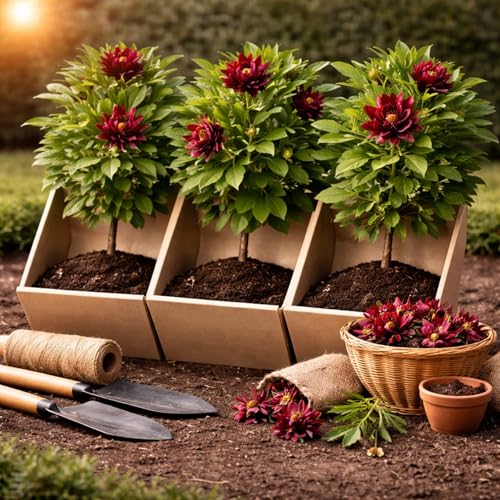
- 🌺 Unique Fragrant Blooms: Deep burgundy, magnolia-like flowers with a rich, fruity fragrance that...
- 🌿 Native Garden Favorite: A hardy North American shrub perfect for naturalized landscapes and...
- 🌤️ Thrives in Shade: Grows beautifully in partial shade to full sun, making it ideal for tricky...
Finding flourishing, fragrant shrubs for shaded areas can feel like a puzzle. The 3 Carolina Sweetshrub plants defy the odds with their rich, burgundy blooms that brighten shady spots effortlessly. Their aroma is not just pleasant but distinct, combining cinnamon-like warmth with a fruity depth that freshens any landscape.
These native North American shrubs are designed for natural settings but adapt well to diverse gardens. They thrive in partial shade to full sun, offering flexibility for tricky gardening spots that typically challenge flower growth. Beyond visual appeal, their scent invites pollinators, enhancing your garden’s health quietly and effectively.
Forget complicated upkeep; these shrubs recover and flourish with minimal care after establishment. Water them regularly in their first year, and watch their presence grow steadily. Their extended bloom time ensures a lasting display from late spring into early summer, holding your garden’s interest longer than many alternatives.
Whether you’re a beginner or seeking reliable, low-maintenance plants that bring genuine character to shaded areas, the Carolina Sweetshrub tackles both beauty and practicality. Their striking flowers and resilience make them notable additions where many plants falter.
Best for: Gardeners looking to brighten shaded or partially shaded landscape areas with fragrant, easy-care shrubs native to North America.
What We Like:
- Deep burgundy, magnolia-like blooms with a unique cinnamon scent
- Thrives in partial shade to full sun, suitable for challenging light conditions
- Native, hardy shrub supporting pollinators and ecosystem health
- Low maintenance and adaptable for beginner-friendly gardening
- Long blooming period adding sustained garden interest
Specification:
| Specification | User Benefit |
|---|---|
| Fragrant Burgundy Blooms | Enhances shaded garden spots with distinctive color and scent |
| Shade to Sun Adaptability | Grows well in various light conditions including difficult shady areas |
| Native Plant Species | Supports local biodiversity and thriving garden ecosystems |
| Extended Bloom Time | Provides floral interest from late spring through early summer |
| Low Maintenance | Requires minimal care once established, ideal for beginners |
| Pollinator Friendly | Attracts beneficial insects to boost garden health |
| Regular Watering First Year | Ensures strong growth and establishment for lasting durability |
11. Blooming & Beautiful Original Endless Summer Hydrangea – Best Flowering Shrub for Shade

- We cannot ship our plants to the following states: AK, AZ, CA, CO, HI, ID, MT, NM, NV, OR, UT, WA...
- The Original Endless Summer Hydrangea is a deciduous flowering shrub that is prized for its...
- This variety is the first hydrangea that reblooms on old and new wood, providing consistent gorgeous...
Finding a flowering shrub that thrives in shade yet offers vibrant, lasting blooms can seem impossible. The Original Endless Summer Hydrangea changes this game by delivering a cascade of colors from blue to pink throughout summer and into fall.
This deciduous shrub blooms repeatedly on both old and new wood, ensuring your shade garden stays lively with flowers without constantly replanting. Its large mop-head blooms paired with dark green serrated leaves add texture and depth to any garden setting.
The hydrangea adapts to USDA zones 4 through 9, flourishing best in partial shade where moisture is consistent. While it can handle full sun, expect to provide supplemental watering and mulch to maintain its vibrant health. Once mature, it forms a rounded, vigorous shrub reaching 3 to 5 feet wide and tall, making it ideal as a natural hedge or a stunning fresh cut flower source.
Soil pH naturally influences flower color here—acidic soil turns blooms blue, whereas alkaline shades bring out soft pinks, providing a subtle, beautiful variable to your planting strategy. This versatile shrub doesn’t just brighten shady spots; it redefines what a shade-loving flowering shrub can be.
Best for: Gardeners looking for a hardy, colorful flowering shrub that thrives in partial shade with repeated summer to fall blooms.
What We Like:
- Reblooms on old and new wood for extended flowering season
- Color shifts with soil pH for customizable garden aesthetics
- Thrives in partial shade, bringing color to less sunny areas
- Rounded growth habit suitable for hedges and cut flowers
- Adaptable across USDA zones 4-9 for broad geographic use
Specification:
| Specification | User Benefit |
|---|---|
| Blooming Period | Provides flowers from summer through fall for long-lasting garden color |
| Sunlight Exposure | Prefers partial shade but can tolerate full sun with proper care |
| Moisture Needs | Moderate watering keeps the plant healthy without excessive effort |
| Growth Size | Reaches 3-5 feet tall and wide, ideal for natural hedges or focal points |
| Soil Type Compatibility | Grows well in clay soil common to many gardens |
| USDA Hardiness Zones | Thrives in zones 4-9, suiting a wide range of climates |
Top Flowering Shrubs For Shade: Key Growing Specs To Consider
| Product Name | USDA Zone | Expected Height | Sunlight Exposure | Bloom Period |
|---|---|---|---|---|
| Encore Azalea Embers Red | 6-10 | 36 inches | Partial Sun | Spring to Fall |
| Proven Winners Doozie Spirea | 3-8 | 24 inches | Full sun to partial shade | Spring to Fall |
| LA Peppermint Camellia Japonica | 7-9 | 10 feet | Full Shade | Spring, Winter |
| Southern Living Soft Caress Mahonia | 7-9 | 5 feet | Partial Shade To Full Sun | October Through Early Winter |
| Encore Azalea Autumn Majesty | 6-9 | 10 inches | Full Sun | Summer to Fall |
| Blooming & Beautiful Shasta Viburnum | 5-8 | 6 feet | Full Sun | Spring |
| Blooming & Beautiful Hardy Gardenia Azalea | 7-9 | 4 feet | Full Sun | Spring |
| Pink Rose of Sharon | 5 | 6-14 inches | Full Sun | Spring to Fall |
Choosing the Right Flowering Shrubs for Shaded Spaces: What Really Matters?

Finding flowering shrubs that shine in shade requires more than wishful thinking. Several factors decide if a shrub can bloom bombastically or just fade into the shadows.
Here’s what you need to weigh carefully to bring alive your shaded garden corners with color and life.
Shade Tolerance Levels
Shade tolerance is the cornerstone for picking flowering shrubs that thrive without bright, direct sunlight. Some plants merely tolerate shade, while others need it to prevent leaf scorch or premature wilting; this makes tolerance a critical line between blooming and withering.
Botanically, shade tolerance hinges on a plant’s chlorophyll efficiency and photoreceptor sensitivity, allowing them to photosynthesize effectively with limited sunlight. For example, the LA Peppermint Camellia Japonica prospers in full to partial shade by optimizing low light absorption.
Ignoring shade tolerance results in bland or failed blooms and wasted effort; the plant struggles, wasting energy without enough sunlight to fuel flowers. Your vibrant garden vision dims as the wrong shrub languishes.
Bloom Period and Seasonality
The timing and length of flowering define a shrub’s seasonal impact. Some flowering shrubs, like the Encore Azalea Embers, bloom impressively from spring through fall, while others push blooms in narrow windows or cooler months.
The bloom period is governed by a shrub’s hormonal cycles and environmental triggers such as temperature and day length. The Southern Living Soft Caress Mahonia bursts with yellow flowers in tastier winter months, filling a winter color gap in shaded spots.
Choosing shrubs without matching bloom times to your garden’s conditions can leave awkward empty periods or mismatched mixes where flowers vanish during prime garden visits, dulling the overall appeal.
Plant Size and Growth Habit
Size matters drastically in shaded gardens, which often have space constraints or nearby trees competing for light. Selecting shrubs with an appropriate mature height and width ensures your planting does not overshadow other plants or overwhelm the space.
Growth habit, whether compact like the Proven Winners Double Play Doozie Spirea or tall like the 10-foot LA Peppermint Camellia, influences airflow and light penetration in the garden. Compact shrubs suit small shaded pockets, while towering plants might shade out others.
Ignoring size leads to overcrowding or incessant pruning; your garden’s design unravels, either stifling other plants or causing constant frustration as shrubs spill out their bounds.
Hardiness and USDA Zone Compatibility
Hardiness is the key factor that determines if a shrub can survive and thrive in your specific climate. For flowering shrubs in shaded areas, which already face environmental stress, matching your plant to the right zone is essential for lasting growth and vibrant blooms. The USDA zone compatibility provides an easy reference to help gardeners choose shrubs suited for local temperature ranges.
Each shrub species has a temperature threshold it can handle. For example, the Encore Azalea Embers flourishes in zones 6 through 10, enjoying mild winters, while the Proven Winners Double Play Doozie tolerates colder climates, thriving in zones 3 to 8. Ignoring USDA zones often leads to cold damage or heat stress because the plant’s cellular structure can’t adapt rapidly enough under harsh conditions.
Failing to consider hardiness often means losing plants to winter kill or summer heat, which wastes your effort and money. It also disrupts the garden’s aesthetic continuity, forcing frequent replacements and disappointing flowering seasons. Choosing shrubs aligned with your USDA zone ensures a healthy, colorful garden year after year.
Sunlight Exposure Flexibility
Many flowering shrubs prefer a spectrum from full sun to partial shade, but the exact light conditions they can tolerate shape their flowering potential immensely. Some regimes require only filtered light, while others can handle direct sun during part of the day.
The Proven Winners Double Play Doozie Spirea, for example, thrives in full sun to partial shade, which offers flexibility for placement. Meanwhile, others like the LA Peppermint Camellia Japonica perform best in full shade, avoiding sunfatigue.
Misjudging sunlight exposure leads to poor flowering or unnecessary stress symptoms such as scorched leaves or leggy growth, sapping the shrub’s vigor and aesthetic value.
Evergreen vs. Deciduous Characteristics
Choosing between evergreen and deciduous shrubs is key for maintaining garden interest all year. Evergreen shrubs keep their leaves through every season, providing steady color and texture in shaded areas that might otherwise look empty or dull. This consistent greenery helps create a lush backdrop regardless of blooming periods.
Evergreen varieties like the Soft Caress Mahonia feature bamboo-like leaves that stay vibrant even without flowers. Deciduous shrubs such as the Pink Rose of Sharon burst with striking blooms but lose their leaves in winter. This seasonal leaf drop means visual appeal fades outside the growing season, affecting garden fullness.
Overlooking leaf retention can lead to dull, barren spots during colder months. Without evergreens, shaded garden corners risk becoming lifeless, losing the chance for dynamic, year-round interest and layered landscaping that keeps the space engaging through every season.
Maintenance and Pruning Needs
Maintenance directly influences how flowering shrubs thrive in shade, as their growth slows and shaping becomes vital. Some shrubs need regular pruning to keep flowering strong and size manageable. Others stay compact and blooming with little intervention, which suits those wanting a low-fuss garden.
Take Encore Azalea Autumn Majesty, for example: it benefits from occasional trimming to boost flower density in shady spots. In contrast, Mahonia tolerates neglect well, holding its form and blooms with minimal care. Knowing each shrub’s growth habit and pruning schedule ensures you give just the right attention at the right time.
Ignoring maintenance risks overcrowded branches, fewer blooms, and increased susceptibility to pests or diseases. This can lead to poor air circulation and an untidy appearance, diminishing the overall appeal of your shaded garden.
Frequently Asked Questions
Which flowering shrubs perform best in deep shade?
Flowering shrubs like the LA Peppermint Camellia Japonica excel in deep shade due to their adaptation to low-light environments. They provide blooms where most shrubs struggle, typically thriving in full to partial shade zones.
This camellia produces striking two-tone flowers from late winter to early spring, adding color to shadowy spots. It’s particularly effective in zones 7-9 where temperatures are moderate.
For success, avoid placing shade-loving shrubs in full sun to prevent leaf scorch and reduced blooming.
Can flowering shrubs bloom throughout multiple seasons in shady areas?
Some shrubs, such as the Encore Azalea Embers, can produce flowers from spring to fall in partial shade. Their unique genetics support longer blooming times compared to most shade-tolerant plants.
These azaleas offer bright red blooms and keep their evergreen leaves, making them a beautiful, lasting choice for gardens in USDA zones 6-10.
For best results, amend soil with organic matter to boost plant health and sustain flowering across seasons.
Are there compact flowering shrubs suitable for smaller shaded gardens?
Compact shrubs like the Proven Winners Double Play Doozie Spirea are ideal for small shaded gardens. They stay around 24 inches tall, fitting well into limited spaces while providing vibrant blooms.
This spirea adapts well from full sun to partial shade and blooms in shades of deep red to purple. It’s hardy across zones 3-8, making it versatile for many regions.
For best results, prune regularly to encourage bushier growth and keep the plant neat in tight spots.
How important is sunlight exposure for flowering shrubs in shade?
Flowering shrubs tolerant of shade usually require at least partial sun to bloom well, though some adapt to deeper shade. Variations among plants mean sunlight needs differ significantly.
For example, the Southern Living Soft Caress Mahonia thrives in partial shade to full sun and blooms bright yellow flowers in winter, adding interest when few others bloom.
Observe your garden’s light patterns throughout the day to choose shrubs with compatible sun requirements.
What care tips improve flowering shrub success in shaded gardens?
Watering regularly and mulching helps keep soil moist in shaded spots where water doesn’t evaporate quickly but can still dry out unevenly. This balance is important for healthy growth.
Use fertilizers made for acid-loving shrubs such as azaleas. These nutrients boost blooms on plants like camellias and rhododendrons, helping them thrive in low light.
Avoid overwatering as shaded areas can retain moisture longer, increasing the risk of root rot. Keep an eye out for pests that prefer damp conditions.
Enhancing Shade Gardens with Vibrant Shrubs
Many shaded gardens lack colorful blooms due to unsuitable plants. Selecting the right shrub, such as the Encore Azalea Embers, introduces a lasting burst of color that transforms dull spaces into lively focal points. This choice enriches the garden’s seasonal appeal and overall beauty.
For compact, manageable growth, the Proven Winners Double Play Doozie Spirea fits well in partial shade. Taller specimens like the LA Peppermint Camellia Japonica are ideal for deeper shade and dramatic height. Evergreens such as Soft Caress Mahonia add reliable structure through winter months.
Evaluate your garden’s lighting and mature shrub sizes before planting. Although these shrubs thrive mostly in shade, incorporating partial sun exposure improves flowering and health. Careful placement and maintenance will ensure your shaded garden remains vibrant year-round.
Last update on 2026-10-15 / Affiliate links / Images from Amazon Product Advertising API