
Best Fruit Trees to Grow in New Jersey for Maximum Yield
The struggle to find fruit trees that truly thrive in New Jersey’s shifting seasons is real. Late frosts wipe out blossoms. Cold snaps stunt growth. And gardeners often end up with disappointing harvests or trees that just won’t survive winter.
The Elberta Peach Tree stands out for outdoor resilience and self-pollination, making fruit reliable even in New Jersey’s climate. The Chicago Hardy Fig tops cold-hardiness, inviting sweet figs despite chilly zones. Meanwhile, the Garden State Bulb Meyer Lemon Tree defies expectations by thriving indoors where winter threatens outdoor growth.
The Red Delicious Apple Tree adds late bloom timing to dodge frost damage, securing consistent fruit. Each of these trees answers a unique pain point for New Jersey gardeners looking to harvest success.
| Image | Name | Editor's Rating | Price |
|---|---|---|---|
|
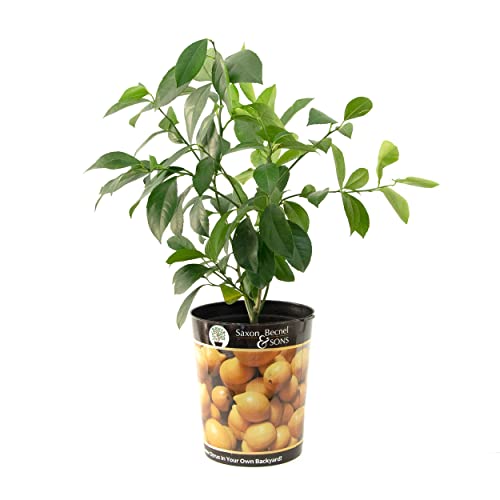
Garden State Bulb Meyer Lemon Tree, Citrus Live Plant (1 Gal...
|
|
|

|
Elberta Peach Tree - Self Pollinating - Live Fruit Plant Shi...
|
|
|
|
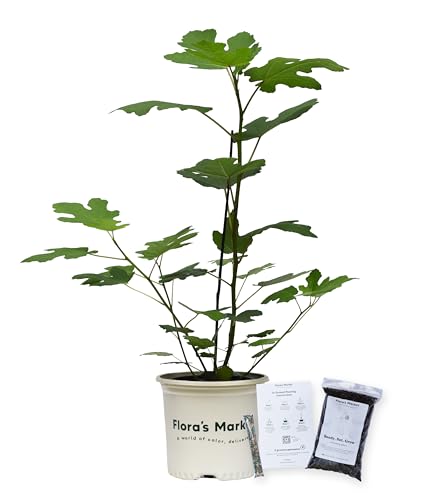
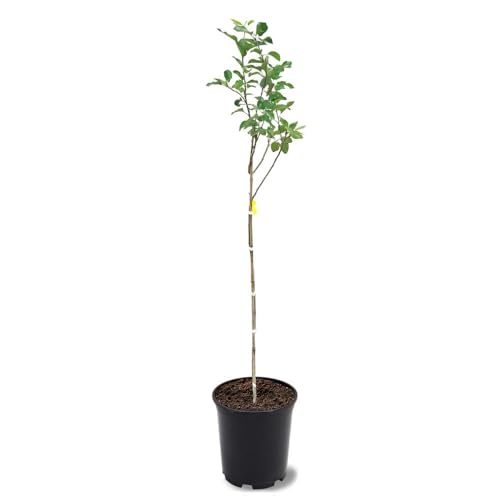
Chicago Hardy Fig - Includes Planting Kit (1 Gallon)
|
|
|
|
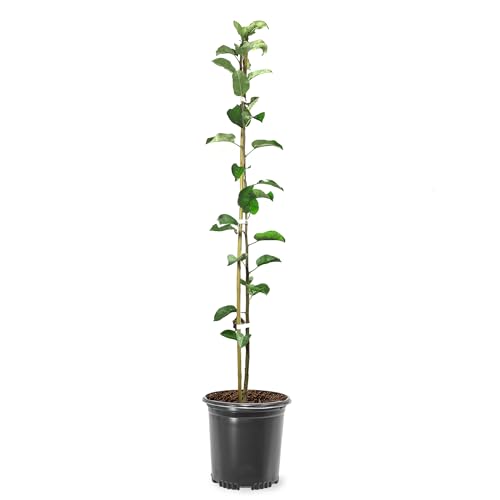
Red Delicious Apple Tree, Deciduous, Fruit Bearing, Fast Gro...
|
|
|
|
Honey Crisp Live Apple Tree, Red-Yellow Color, Sweet Tart Fl...
|
|
Fruit Trees Tailored for New Jersey’s Climate
Successful fruit gardening in New Jersey demands choosing trees that withstand the region’s unique climate challenges. Selecting resilient varieties ensures fruitful harvests and thriving backyard orchards.
1. Garden State Bulb Meyer Lemon Tree — Ideal Citrus for New Jersey Gardeners
- Container Size: 1 Gallon
- Hardiness Zone: 8 to 11
- Light Requirements: Partial Sun to Partial Shade (Indoor place near a bright window)
Imagine adding a burst of fresh citrus to your New Jersey garden that thrives both indoors and out. The Garden State Bulb Meyer Lemon Tree offers an unexpected way to grow lemons even in climates slightly outside its natural range.
This lemon tree is surprisingly adaptable, flourishing in partial sun to partial shade and in containers, making it perfect for those with limited garden space. While it prefers zones 8 to 11, its suitability for indoor growth means New Jersey residents can enjoy homegrown lemons despite regional hardiness challenges.
Easy to maintain, the Meyer Lemon Tree resists disease and attracts butterflies and birds, enriching your garden’s ecosystem. It requires moderate watering, and with the right care, it can bear fruit within its first year, offering both beauty and utility.
Reaching up to 10 feet tall, this tree can fit well in indoor spaces near bright windows or on patios with well-drained loam soil. Its fragrant blossoms enhance your home atmosphere, while its status as a GMO-free plant adds confidence for edible garden enthusiasts.
Best for: Gardeners in New Jersey seeking a durable, self-pollinating citrus tree suitable for containers or indoor cultivation.
What We Like:
- Self-pollinating with quick fruit production
- Thrives indoors and outdoors in containers
- Attracts beneficial pollinators like butterflies and birds
- Disease resistant for easier care
- Fragrant blossoms enhance garden ambiance
Specification:
| Specification | User Benefit |
|---|---|
| Container Size | Compact 1-gallon pot eases transplanting and placement flexibility |
| Hardiness Zone | Suitable for greenhouses or indoor setups in New Jersey |
| Light Requirements | Partial sun to shade allows versatile indoor positioning |
| Expected Maturity Height | Reaches up to 10 feet, manageable for larger indoor spaces or patios |
| Soil Type | Prefers loam soil, common in well-drained garden spaces |
| Moisture Needs | Moderate watering keeps plant healthy without risk of overwatering |
| Special Features | Attracts pollinators, boosting garden biodiversity |
2. Elberta Peach Tree – Self Pollinating Fruit Tree Perfect for New Jersey Gardens
- Do not transplant into a container, only the ground. All pictures are of fully grown plants. Sizes...
- California orders will ship bare root according to their state regulations.
- Thrives in zones 5 through 8 with full sun.
Many gardeners in New Jersey believe that delicate peach trees struggle to thrive outdoors in this region. Yet, the Elberta Peach Tree defies this notion by adapting well to New Jersey’s climate zones 5 through 8. This tree arrives three feet tall and ready for the ground, designed specifically for outdoor planting—not containers.
Unlike other fruit trees that rely on external pollinators, the Elberta Peach Tree is self-pollinating, making fruit production more reliable in your backyard. It thrives in full sun and prefers loam soil with regular watering. Once mature, it reaches about 10 feet tall and produces beautiful pink blossoms in spring, adding both productive and ornamental value.
These trees attract pollinators naturally, enhancing your garden’s ecosystem without extra effort. The Elberta Peach Tree maintains its health with straightforward care—well-drained soil and consistent moisture are key. You’ll find it rewarding for home gardeners seeking both fresh fruit and garden charm.
A notable consideration is to avoid transplanting into containers, as this can stunt growth or cause stress. Also, the tree enters dormancy in winter without leaves, so plan for a seasonal pause before vibrant spring growth.
Best for: Home gardeners in New Jersey who want a reliably fruiting peach tree that fits local soil and sun conditions.
What We Like:
- Self-pollinating for consistent fruiting
- Adapts well to USDA zones 5-8, fitting New Jersey climate
- Attracts beneficial pollinators naturally
- Compact size suitable for backyard gardens
- Vibrant spring blossoms add aesthetic appeal
Specification:
| Specification | User Benefit |
|---|---|
| USDA Hardiness Zone (5-8) | Matches New Jersey climate, ensuring suitable growth conditions |
| Self-pollinating | Reliable fruit production without needing other trees |
| Full Sun Exposure | Supports healthy growth and abundant blooms |
| Expected Mature Height: 10 feet | Fits well in typical home garden spaces |
| Soil Type: Loam | Thrives in common garden soil with good drainage |
| Regular Watering Needs | Keeps the tree healthy with manageable maintenance |
| Pink Blossoms in Spring | Enhances garden beauty alongside fruit production |
3. Chicago Hardy Fig – Cold-Hardy Fig Tree with Planting Kit (1 Gallon)
- COLD-HARDY FRUIT - Chicago Hardy Fig is known for its ability to withstand colder temperatures...
- PROLIFIC FRUITER - Yields an abundant harvest of medium-sized, sweet figs perfect for fresh eating...
- LOW MAINTENANCE - Thrives in full sun, adapting well to various soil types, and requires minimal...
The Chicago Hardy Fig breaks the common notion that fig trees can’t survive in cooler climates. This particular variety is renowned for its cold-hardiness, thriving even in USDA zones as low as 5. It challenges the assumption that only tropical or subtropical fruit trees can flourish outside of warmer zones.
Harvest an abundant crop of medium-sized, sweet figs that are ideal for fresh eating, drying, or culinary use. The tree’s prolific nature means you won’t just have a handful of fruit but a steady, generous supply each season without strenuous effort.
Designed for minimal maintenance, the Chicago Hardy Fig adapts well to various soil types and flourishes under full sun. Its resilience ensures that even gardeners with less-than-ideal soil conditions can still enjoy fresh figs without complex care routines.
This product includes a comprehensive planting kit with nursery-grade fertilizer, premium planting mix, and a detailed guide. These essentials streamline the planting process, leading to a stronger, healthier start for your fig tree right from the moment it’s in your ground.
Best for: Gardeners in cooler climates seeking a resilient, low-maintenance fruit tree that delivers sweet, abundant figs.
What We Like:
- Cold-hardy nature supports growth in zones as low as USDA 5.
- High fruit yield suitable for diverse culinary uses.
- Adaptable to different soil types with minimal care needed afterward.
- Planting kit included for easier establishment and stronger growth.
Specification:
| Specification | User Benefit |
|---|---|
| Cold Hardiness | Withstands colder temperatures so you can grow figs outside typical warm zones. |
| Fruit Yield | Produces abundant, sweet figs for fresh eating or cooking. |
| Sunlight Requirements | Thrives in full sun, maximizing growth and fruit production. |
| Planting Kit Included | Provides fertilizer, planting mix, and guide to simplify planting and enhance early growth. |
| Soil Adaptability | Adapts well to various soils, reducing the need for special amendments. |
| Maintenance Level | Requires minimal care once established, saving time and effort. |
4. Red Delicious Apple Tree – Ideal Fruit Tree for New Jersey Gardens
- Due to agricultural laws, we are unable to ship CA, AZ, AK, or HI - orders will not ship to one of...
- The Red Delicious Apple is known for its classic deep red color. The apples are typically elongated...
- One of the main features of Red Delicious Apples is the sweet and crisp flesh. The apples have a...
Many gardeners believe that all apple trees struggle equally with New Jersey’s climate, but the Red Delicious Apple Tree challenges this notion. Known for its vibrant deep red fruit and classic shape, this tree is specially suited to thrive in the state’s USDA zones.
This deciduous tree blooms later in spring, a key feature that helps it avoid damage from late frosts—a common issue in New Jersey. As a result, it offers more consistent fruit production season after season.
Reaching up to 20 feet, the Red Delicious Apple Tree requires full sun and well-drained loam soil, both prevalent in many New Jersey gardens. Regular watering supports the tree’s steady growth, while mulching keeps the soil moist and weed-free.
Easy to maintain, it benefits from a balanced spring fertilizer to encourage healthy blossoms and robust fruit. Whether enjoyed fresh or used in salads and sauces, its sweet, crisp apples add a distinct, mild flavor to homegrown harvests.
Best for: Gardeners in New Jersey seeking a reliable, fast-growing apple tree with good resistance to late spring frosts and the ability to produce sweet fruit annually.
What We Like:
- Late spring blooming to avoid frost damage
- Sweet, crisp flesh ideal for fresh eating and cooking
- Adapted to USDA Hardiness Zones 4-8, suitable for New Jersey
- Compact 1-gallon nursery pot for easy transplanting
- Requires regular watering and thrives in well-drained soil
Specification:
| Specification | User Benefit |
|---|---|
| USDA Hardiness Zones 4-8 | Grows reliably in New Jersey’s climate range |
| Full Sun Exposure | Supports healthy growth and fruit production |
| Loam Soil Preference | Ensures good nutrient availability and drainage |
| Height up to 20 feet | Provides manageable size for home gardens |
| Late Spring Bloom | Reduces risk of blossom frost damage |
| Regular Watering Needs | Helps establish and maintain strong root system |
5. Honey Crisp Live Apple Tree – Ideal Hardy Apple Tree for New Jersey Gardens
- Due to Agricultural Laws, we Cannot Ship to CA, AZ, AK, or HI- YOUR ORDER WILL BE CANCELED**
- The Honeycrisp apple tree blooms in mid to late spring with clusters of fragrant white to soft pink...
- Hardy in USDA Zones 3–7, this variety was developed by the University of Minnesota and is...
Discover the unique appeal of the Honeycrisp apple tree, a standout choice for gardeners seeking the best fruit trees to grow in New Jersey. This variety defies the common notion that only traditional apple types thrive in the region, offering a balance of ornamental beauty and flavorful fruit.
Blooming with delicate white to soft pink blossoms, it adds a touch of elegance to any garden. Its hardy nature makes it well-suited for USDA Zones 3–7, comfortably matching New Jersey’s climate challenges with resilience and charm.
The Honeycrisp apple tree demands full sun and benefits from well-drained, consistently moist soil. With an expected height of up to 25 feet, it provides a significant yield of its signature sweet-tart apples, known for a crisp, juicy snap caused by its large cell structure.
Planting in early spring or fall helps ensure the roots develop effectively before seasonal stresses, reducing maintenance worries and enhancing long-term success. While it may require regular watering, this tree’s vibrant fruit and robust growth reward patient gardeners in New Jersey’s diverse soil environments.
Best for: Gardeners in New Jersey seeking a cold-hardy apple tree with exceptional fruit quality and ornamental appeal.
What We Like:
- Excellent cold tolerance, perfect for New Jersey’s climate
- Attractive spring blossoms that enhance garden aesthetics
- Sweet-tart, juicy apples with a unique crisp texture
- Thrives in full sun with well-drained soil conditions
- Suitable for planting in early spring or fall for optimal growth
Specification:
| Specification | User Benefit |
|---|---|
| USDA Hardiness Zone 3–7 | Matches New Jersey’s climate for reliable growth and fruiting |
| Full Sun Exposure Required | Ensures healthy tree development and abundant fruit production |
| Height up to 25 feet | Provides a substantial fruit yield and visual garden presence |
| Prefers Loam Soil | Supports consistent moisture retention for stable growth |
| Regular Watering Needs | Helps maintain fruit quality and tree vigor during critical growing periods |
| Blooms in mid to late spring | Adds seasonal beauty with fragrant blossoms |
| Fruit Color: Red and Golden | Delivers visually appealing and appetizing apples |
6. Backyard Orchard Fruit Trees | 6 Bare Root Trees: Apple, Persimmon, and Black Cherry
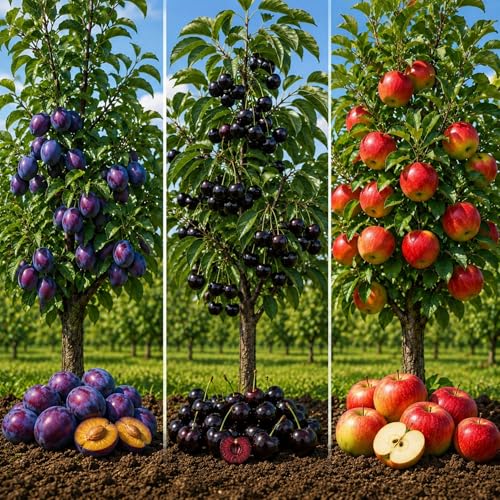
- COMPLETE BACKYARD ORCHARD BUNDLE 🍒🍑🍎 Includes 6 live fruit trees total with 2 Black Cherry...
- ENJOY MULTIPLE FRUIT VARIETIES Grow sweet cherries, juicy plums, and crisp apples from your own...
- HEALTHY LIVE TREES FOR PLANTING Each tree is selected for strong roots and vigorous growth to help...
Imagine transforming your backyard into a thriving edible paradise that evolves with each passing year. This collection of bare root fruit trees offers a unique chance to grow a diverse assortment of apples, persimmons, and black cherries suited for New Jersey’s climate. Instead of settling for store-bought fruit, these trees empower you to cultivate fresh, homegrown flavors right outside your door.
These trees are designed to thrive outdoors in full sun, requiring well-drained soil that encourages vigorous growth and fruit production. Shipped dormant, they establish healthy root systems quickly once planted, focusing energy below ground before sprouting lush foliage in spring. This natural cycle supports a long lifespan and increasingly abundant harvests.
The bundle’s mix offers not only a variety of tasty fruits but also stunning seasonal displays—from spring blossoms to colorful fall leaves—with each tree maturing into a lasting, productive feature of your landscape. While some gardeners might expect quick yields, these fruit trees reward patience, becoming more fruitful as they mature season after season.
Maintenance stays straightforward, thanks to the natural hardiness of these species and their suitability for New Jersey’s environment. Whether you envision a hobby orchard or a sustainable food forest, this starter collection helps you take the first step with quality trees that fit your outdoor space.
Best for: Gardeners and homeowners in New Jersey looking to establish a diverse, easy-to-grow backyard fruit orchard.
What We Like:
- Includes three fruit varieties with 6 trees to provide a longer, diverse harvest season.
- Dormant bare root trees establish strong roots quickly for reliable growth.
- Thrives in full sun and well-drained soil, ideal for New Jersey outdoor conditions.
- Enhances landscape aesthetics with seasonal blooms and fall colors.
- Designed for long-term productivity, improving yields over the years.
Specification:
| Specification | User Benefit |
|---|---|
| Tree Types | Diverse fruit options including apple, persimmon, and black cherry offer varied harvests and flavors. |
| Shipping State | Delivered dormant to reduce transplant shock and promote healthy root growth. |
| Sunlight Requirements | Needs 6–8+ hours of direct sun daily for optimal flowering and fruiting. |
| Soil Preference | Well-drained soil supports strong root systems and prevents waterlogging. |
| Plant Quantity | Includes six trees to create a balanced orchard with continuous fruit production. |
| Growth Duration | Long-lived trees that increase fruit yield year after year. |
| Maintenance Level | Easy to care for with natural hardiness suited to New Jersey’s climate. |
7. 3 Blueberry Plants Live for Planting – Highberry Blueberry Bushes, Cold Hardy Fruit Shrubs for New Jersey Gardens
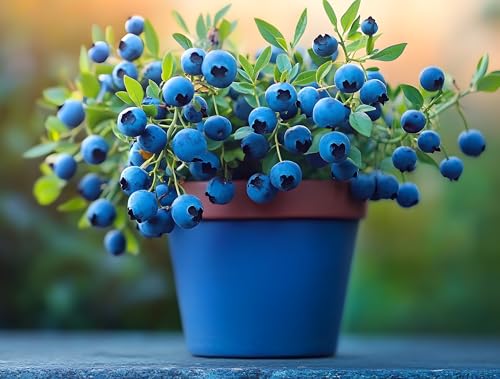
- BLUEBERRIES: Produces large, sweet berries with consistent harvests each season. Ideal for fresh...
- MATURE HEIGHT 4–6 FEET: Upright shrub growth makes it suitable for garden rows or containers...
- READY-TO-EAT FRUIT: Blueberries can be eaten straight from the plant once ripe. Perfect for quick...
Choosing fruit trees that thrive in New Jersey’s unique climate often means looking beyond traditional orchard favorites. Surprisingly, blueberries stand out as an excellent option, offering a rewarding harvest that’s both manageable and versatile for home gardeners.
These three live Highberry blueberry plants arrive bare root and are already one year old, ready to establish themselves in your garden. Their upright growth reaches a mature height of 4 to 6 feet, making them adaptable to row planting or container gardening where space might be limited.
Expect consistently sweet, large berries that can be enjoyed fresh or used in baking, freezing, and preserving. The ease of picking ripe blueberries directly from the bush creates a convenient source of healthy snacks with minimal preparation, a feature that appeals to busy gardeners.
Cold hardiness is key for fruit trees in New Jersey, and these plants perform well in USDA zones 4–7. With the state’s variable winters, this resilience ensures that your investment can flourish year after year. Full sun exposure is crucial; optimal fruiting requires 6–8 hours of direct sunlight daily to encourage flowering and sugar development in berries.
Best for: New Jersey gardeners seeking reliable, compact blueberry bushes that provide fresh, versatile fruit with manageable care requirements.
What We Like:
- Produces large, sweet berries suitable for multiple culinary uses
- Compact shrub form fits well in gardens and containers
- Cold hardy for climates within USDA zones 4–7
- Ready to produce fruit in the first growing season
- Requires only full sun for optimal yields
Specification:
| Specification | User Benefit |
|---|---|
| Mature Height | Compact 4–6 feet size fits various garden spaces |
| Sunlight Exposure | Needs 6–8 hours of full sun for sweeter and fuller berry production |
| Plant Type | Bare root live plants reduce shipping weight and increase planting success |
| Cold Hardiness Zones | Thrives in USDA zones 4–7, suitable for New Jersey winter conditions |
| Fruit Use | Versatile for fresh eating, cooking, and preserving |
8. Chicago Hardy Fig Plant (4 Pack) | Cold-Hardy, Sweet & Juicy Figs for New Jersey Gardens
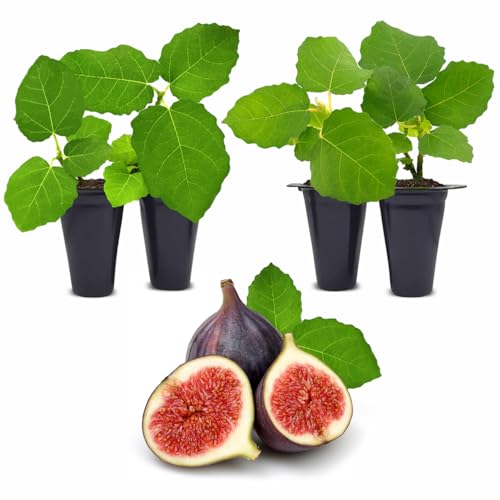
- 🌱 4 LIVE CHICAGO HARDY FIG STARTER PLANTS – Receive healthy, vigorous live plants for planting...
- 🍇 SWEET, JUICY & COLD-HARDY FIGS – Enjoy deep-purple figs with a rich, honey-like flavor...
- ❄️ COLD-HARDY & DROUGHT-TOLERANT – This hardy fruit tree can withstand temperatures as low as...
If you think fig trees can’t handle New Jersey’s chillier temperatures, the Chicago Hardy Fig Plant challenges that assumption. This variety thrives despite cooler weather, bringing fresh figs to your backyard where you might least expect them.
These four live plants arrive ready to establish themselves in your garden or container. Their adaptability means they flourish in both small urban spaces and traditional soil beds, making fruit cultivation accessible wherever you are.
The figs grow deep purple with a rich, honey-like flavor that’s excellent straight off the tree, dried, or baked. Beyond taste, these plants endure down to 10°F, giving you a reliable harvest year after year even with the cold snaps New Jersey experiences.
Maintenance is straightforward, with moderate watering needs and a natural resilience that suits organic gardening efforts. Growing your own sweet figs can transform how you approach seasonal fruit, offering a fresh, sustainable alternative to store-bought options.
Best for: Gardeners in New Jersey looking to cultivate cold-hardy fruit trees that fit small spaces or containers.
What We Like:
- Cold tolerance suitable for New Jersey’s seasonal lows
- Vibrant, sweet fruit with versatile culinary uses
- Compact growth fits container or backyard planting
- Organic and non-GMO, ideal for sustainable gardening
- Four plants per pack provide a head start on fruit production
Specification:
| Specification | User Benefit |
|---|---|
| Cold-Hardy to 10°F | Survives New Jersey’s winter to bear fruit each year |
| Full Sun Requirement | Promotes healthy growth and sweet fruit development |
| Moderate Watering Needs | Simplifies care without overwatering risks |
| Suitable for Containers | Great for limited spaces like patios or urban gardens |
| Organic Planting Material | Supports chemical-free, eco-friendly gardening |
| 4 Plants Per Pack | Increases output potential and garden diversity |
9. 2 Black Cherry Trees Live Plants – Hardy, Cold-Resistant Fruit Trees for New Jersey Gardens

- 2 Black Cherry Trees Live Plants, Sweet Cherry Plants Live Fruits Trees, Bareroots Dormant 1-2 Feet...
- Foliage and dark purple-black fruits
- Cold hardy: Thrives in USDA Zones 4–8, making it suitable for a wide range of climates
Imagine growing your own sweet, dark purple-black cherries right in your New Jersey backyard. These 2 Black Cherry Trees arrive as bare root seedlings, standing 1 to 2 feet tall, quietly holding the promise of a mature tree soaring 30 to 60 feet high. While it’s easy to assume fruit trees need overly specific conditions, these hardy plants challenge that by thriving in USDA Zones 4 to 8.
Designed for full sun and thriving best in well-drained loam soil, these trees quietly demand moderate watering, a perfect balance for the typical New Jersey gardener uneasy about overwatering. Their impressive cold hardiness means the harsh winters won’t quite deter their growth, giving you peace of mind for long-term success.
Whether you’re designing an edible landscape or establishing a home orchard, these black cherries offer more than fruit—they bring a touch of nature’s resilience and beauty. Their adaptability to patio containers extends possibilities for gardeners with limited space, blending functionality with aesthetic appeal.
While the journey from a dormant bare root to a flourishing tree requires patience and basic care, the reward of home-grown cherries is profoundly satisfying and tangible, adding value beyond convenience or store-bought alternatives.
Best for: Gardeners in New Jersey seeking hardy, cold-resistant fruit trees that mature into large, productive black cherry trees in diverse landscapes and container settings.
What We Like:
- Cold hardy across USDA Zones 4–8, matching New Jersey climates well
- Suitable for full sun with moderate water requirements to ease upkeep
- Can be grown in patio containers as well as open landscapes
- Large mature size offers both shade and fruit yield over time
- Delivered as well-rooted bare root plants to establish strong foundations
Specification:
| Specification | User Benefit |
|---|---|
| Sunlight Exposure | Ensures robust growth and fruit production with full sun needs |
| Soil Type | Prefers loam soil which balances drainage and nutrient retention |
| Moisture Needs | Moderate watering reduces risk of root diseases while supporting growth |
| Plant Height at Purchase | 1-2 feet tall, manageable size for initial planting and handling |
| Cold Hardiness | Thrives in cold climates prevalent in New Jersey, minimizing winter damage |
| Unit Count | Includes two trees, allowing for immediate orchard start or landscape symmetry |
| Tree Maturity Height | Grows 30-60 feet tall offering substantial shade and fruit yield in future seasons |
10. Dwarf Mulberry Live Plant – Ideal Fruit Tree for New Jersey Gardens

Choosing the right fruit tree for New Jersey’s unique climate can feel tricky, especially when size and maintenance come into play. The Dwarf Mulberry live plant stands out by offering a manageable yet fruitful solution. Growing between 10 to 30 feet tall, this tree fits well into typical garden spaces without overwhelming them.
This tree thrives best in full sunlight and well-drained soil, conditions often found in New Jersey yards. Its self-fruiting nature means you don’t need a second tree nearby for pollination, simplifying care for both new and experienced gardeners. The moderate water needs make it adaptable to the state’s varying precipitation patterns without demanding constant attention.
Designed for zones 5 through 10, the Dwarf Mulberry resists cold weather common in New Jersey winters, making it a lasting addition to your landscape. While it ships without a pot, this allows you the flexibility to plant it directly into your garden where it can establish strong roots. Its edible fruits add value beyond just aesthetic appeal, enriching your outdoor space with fresh harvests.
Despite some mixed feedback, this variety remains a practical choice for anyone wanting to grow fruit trees in New Jersey, especially when balancing size, climate, and fruit production. Proper planting and maintenance will help you enjoy its benefits fully.
Best for: Gardeners in New Jersey seeking a compact, hardy fruit tree suitable for smaller spaces with minimal pollination needs.
What We Like:
- Self-fruiting for easier fruit production without extra trees
- Compact size suitable for space-conscious gardens
- Hardy in USDA zones 5-10, matching New Jersey’s climate
- Requires average watering, fitting well with local rainfall
- Produces edible fruit that enhances landscape use
Specification:
| Specification | User Benefit |
|---|---|
| Size (10-30 feet tall) | Fits well in medium to small garden spaces without overcrowding |
| Sunlight Requirement (Full Sun) | Supports healthy growth and maximizes fruit yield |
| Water Needs (Average) | Adapts easily to typical New Jersey rainfall patterns |
| Soil Preference (Well-drained) | Helps prevent root diseases and encourages strong root development |
| Zone Hardiness (5-10) | Ensures survival through New Jersey’s winter temperatures |
| Self Fruiting | Eliminates need for multiple plants to produce fruit |
11. American Plant Exchange Apple Tree ‘Granny Smith’ – Cold-Hardy Fruit-Bearing Tree for New Jersey Gardens

- Live Fruit-Bearing Apple Tree – Grow your own crisp, tart Granny Smith apples right at home. This...
- Thrives in Home Orchards & Gardens – Ideal for USDA Hardiness Zones 5-9, this cold-hardy apple...
- Low Maintenance & High Yield – A vigorous grower with reliable fruit production, this...

Growing crisp, tart Granny Smith apples in your own backyard may seem straightforward, but many underestimate how climate and soil impact success. This apple tree fits perfectly into New Jersey’s unique growing conditions, thriving where others might falter.
Designed for home orchards and edible landscapes, the tree delivers firm, green apples annually by mid to late fall. Its ability to perform well in USDA Zones 4 through 7 means it handles New Jersey’s seasonal shifts with resilience.
This self-pollinating tree isn’t just about fruit production. It brings fragrant white blossoms that invite pollinators like bees and butterflies, supporting your garden’s biodiversity. Plus, its disease and pest resistance reduces the need for ongoing maintenance, making it suitable for gardeners who want reliable results without intensive care.
Beyond harvest, Granny Smith apples offer great versatility—from fresh eating to baking and cider-making. They also store well, staying fresh for months if kept properly, helping extend the benefits of your garden’s yield.
Best for: Gardeners in New Jersey looking to cultivate a durable, fruit-bearing apple tree with low upkeep and excellent seasonal beauty.
What We Like:
- Cold-hardy for reliable growth in New Jersey’s climate
- Self-pollinating, ensuring fruit even without nearby apple trees
- Disease and pest resistance for easier maintenance
- Attracts pollinators with spring blossoms enhancing garden health
- Long-lasting fruit storage for extended use
Specification:
| Specification | User Benefit |
|---|---|
| USDA Hardiness Zone 4-7 | Supports growth through New Jersey’s varying seasonal conditions |
| Sunlight Exposure: Full Sun | Promotes optimal fruit production and tree health |
| Soil Type: Loam Soil | Ideal soil type for steady nourishment and drainage |
| Pollinator-Friendly | Boosts local biodiversity and natural pest control |
| Cold-Hardy | Ensures survival and fruiting during colder months |
| Disease, Pest, Deer Resistant | Reduces the need for chemical treatments and damage repair |
| Expected Plant Height: 15 feet | Fits comfortably into residential gardens without overwhelming space |
| Blooms in Spring | Adds seasonal beauty and indicates when to expect fruiting |
Detailed Specifications of Top Fruit Trees to Grow in New Jersey
| Product Name | USDA Hardiness Zone | Sunlight Exposure | Expected Height | Soil Type |
|---|---|---|---|---|
| Garden State Bulb Meyer Lemon Tree | 8 to 11 | Partial Sun to Partial Shade | 8′ to 10′ | Loam Soil |
| DAS Farms Elberta Peach Tree | 5 to 8 | Full Sun | 10′ | Loam Soil |
| Flora’s Market Chicago Hardy Fig | 5 to 10 | Full Sun | Not Specified | Various Soil Types |
| Generic Red Delicious Apple Tree | 4 to 8 | Full Sun | 20′ | Loam Soil |
| Generic Honey Crisp Apple Tree | 3 to 7 | Full Sun | 25′ | Loam Soil |
| CZ Grain Backyard Orchard Fruit Trees Bundle | Not Specified | Full Sun | Varies by Tree | Well-Drained Soil |
| CZ Grain Highberry Blueberry Plants | 4 to 7 | Partial Sun | 4′ to 6′ | Not Specified |
| Fam Plants Chicago Hardy Fig (4 Pack) | Not Specified | Full Sun | Not Specified | Not Specified |
What Makes a Fruit Tree Thrive in New Jersey Gardens?

Choosing the best fruit trees to grow in New Jersey isn’t just about picking popular varieties. The region’s distinct climate and soil conditions demand specific tree traits for success. Recognizing key factors that influence growth, fruit production, and tree health can transform any backyard into a fruitful haven.
USDA Hardiness Zones and Tree Adaptability
USDA Hardiness Zones represent the minimum winter temperature a plant can withstand and are critical in selecting fruit trees suited to New Jersey’s climate. The state spans zones 5 through 7, meaning trees must endure cold winters and, occasionally, late frosts. Choosing varieties labeled for zones 5 to 7 ensures they won’t succumb to freezing damage.
For instance, the Chicago Hardy Fig thrives in zones 5 to 10, showcasing exceptional cold tolerance uncommon to many fig varieties. Conversely, a Meyer Lemon Tree rated for zones 8 to 11 requires indoor protection during winter, highlighting how zone ratings affect planting decisions. Without this, trees may suffer cold injury, failing to produce fruit or dying off completely.
Neglecting hardiness zones can lead to poor growth, low fruit yield, or outright tree loss due to climatic stress. Selecting trees outside New Jersey’s zone range often demands greenhouse care or indoor management, complicating the gardening process unnecessarily.
Sunlight Requirements for Optimal Growth
Sunlight is indispensable for photosynthesis and fruit development. Fruit trees generally need 6 to 8 hours of direct sun daily to produce quality fruit. However, some species tolerate partial sun or shade, broadening their placement options in New Jersey’s varied garden environments.
The Elberta Peach Tree requires full sun to maximize flowering and fruit size, demanding a bright, unobstructed spot. In contrast, the Meyer Lemon Tree flourishes in partial sun to partial shade, adapting well to container placement indoors or near windows. Light exposure also influences flowering timing and ripening, fundamental to reliable harvests.
Ignoring proper sunlight needs may result in sparse flowering, smaller fruits, or a tree stressed by inadequate energy. This compromises both productivity and the tree’s long-term vitality, especially in New Jersey’s competitive growing season.
Soil Type and Drainage for Healthy Roots
Soil characteristics dictate nutrient availability, water retention, and root health. Loam soil, with its balanced mixture of sand, silt, and clay, is preferred by most fruit trees in New Jersey, offering fertile and well-draining conditions. Proper drainage prevents waterlogging, which can suffocate roots and promote fungal diseases.
The Red Delicious and Honeycrisp Apple Trees flourish in loam soil, benefiting from its rich organic matter and steady moisture control. The Backyard Orchard Fruit Trees Bundle emphasizes the need for well-drained soil to avoid root rot and to support the diverse species within the collection. Soil pH ideally falls between 6.0 and 7.0 for proper nutrient absorption.
Planting in heavy clay or poorly drained soil jeopardizes tree establishment and fruit production. Persistent moisture stress weakens immune responses, increasing susceptibility to pathogens—a common pitfall seen in less prepared gardens throughout New Jersey.
Tree Size and Space Considerations
The mature size of fruit trees directly impacts garden planning and maintenance. Larger trees, such as the Red Delicious Apple Tree reaching up to 20 feet, require ample space for root spread and canopy growth. Compact or dwarf varieties offer alternatives for smaller yards or container gardening, common in New Jersey suburban settings.
The Meyer Lemon Tree grows to roughly 8 to 10 feet, manageable in tubs, allowing gardeners without extensive space to enjoy citrus fruits. Blueberry plants stay even smaller, topping out around 4 to 6 feet, fitting well in compact garden beds or containers. Adequate spacing reduces competition for nutrients and airflow, critical for disease prevention.
Overcrowding by ignoring mature tree size can stunt growth and reduce fruit yield through shading or restricted root zones. It may also complicate pruning and harvesting, diminishing the overall joy and success of growing fruit trees locally.
Pollination Needs and Fruit Yield
Successful fruit set often hinges on pollination—either self-pollinating trees or those requiring compatible partners and pollinators like bees. Some species are self-reliant, simplifying orchard setup and ensuring dependable crops despite variable insect presence.
The Elberta Peach Tree is self-pollinating, guaranteeing fruit production without the need for additional trees nearby. Meanwhile, apple trees such as the Red Delicious often benefit from cross-pollination with another apple variety to boost fruit quantity and quality. Awareness of pollination dynamics informs planting decisions to maximize harvests.
Overlooking pollination requirements can lead to sparse or absent fruit yields despite healthy foliage, leaving gardeners frustrated. In New Jersey, where pollinator activity may fluctuate seasonally, choosing self-pollinating or compatible species mitigates risk.
Cold Hardiness and Late Frost Avoidance
New Jersey winters and unpredictable spring frosts present a critical challenge for fruit trees. Cold hardiness refers to a tree’s ability to survive winter lows without damage. Late frosts can harm blossoms, reducing fruit significantly if bloom times are poorly timed.
The Red Delicious Apple Tree blooms later in spring, a key adaptation allowing it to sidestep late frost damage common in New Jersey’s transitional season. Chicago Hardy Fig’s exceptional cold hardiness also enables survival in chillier months. Choosing varieties with these traits protects your investment and yields.
Planting trees lacking sufficient cold resistance or late bloom timing can result in annual crop failure. This creates a cycle of disappointment and wasted effort, making cold hardiness a non-negotiable criterion for lasting success here.
Container Suitability and Indoor Growing Potential
Some fruit trees are adaptable to container growing, valuable for New Jersey gardeners with limited outdoor space or harsh winters. Container cultivation facilitates mobility, soil control, and protection from extreme weather by moving trees indoors.
The Garden State Bulb Meyer Lemon Tree excels indoors or outdoors in containers, thriving even in partial sunlight spots. Blueberries and dwarf varieties from the Backyard Orchard collection also suit containers, enabling versatility in urban or suburban homes. Quality containers with adequate drainage holes and proper soil mixes are essential for root health.
Ignoring container suitability limits options for city dwellers or those with small yards. Without this flexibility, gardeners might avoid growing certain fruit trees altogether or face losses during cold spells.
Frequently Asked Questions
What fruit trees are best suited for New Jersey’s climate zones?
The best fruit trees for New Jersey are those adapted to USDA zones 5 through 8, matching the state’s climate. Varieties like Elberta Peach, Red Delicious Apple, and Chicago Hardy Fig thrive well here due to their cold hardiness and tolerance to local weather patterns.
For example, the Elberta Peach tree is self-pollinating and grows reliably in zones 5 to 8, making it perfect for New Jersey gardeners looking for easier fruit production.
Consider soil quality and sun exposure along with zone compatibility to maximize healthy growth.
Can citrus trees like Meyer Lemon survive in a New Jersey garden?
Meyer Lemon trees can survive in New Jersey if grown indoors or in containers where conditions can be controlled. They typically prefer USDA zones 8 to 11, which are warmer than New Jersey’s outdoor climate.
The Garden State Bulb Meyer Lemon tree adapts well to partial sun and partial shade and is ideal for gardeners with limited space who can bring the tree indoors during cold months.
Move lemon trees indoors before the first frost to protect them from freezing temperatures.
Are apple trees a reliable choice for New Jersey home orchards?
Apple trees like Red Delicious and Honeycrisp are reliable for New Jersey due to their ability to withstand local weather challenges, including late frosts. These varieties are hardy in zones ranging from 3 to 8 and produce consistent fruit annually.
Red Delicious trees bloom later in spring, helping to avoid frost damage, while Honeycrisp offers both resilience and ornamental value with its beautiful blossoms.
Plant apple trees in well-drained loam soil and provide full sun for the best fruit yield.
What are key considerations when planting fig trees in New Jersey?
Choosing cold-hardy figs like the Chicago Hardy Fig is essential, as they thrive in USDA zones as low as 5, suitable for New Jersey’s climate. These figs produce sweet, medium-sized fruit even in cooler temperatures.
This variety is adaptable for both traditional soil beds and containers, making it versatile for gardeners with different space availability.
Protect fig trees with mulch during winter to enhance cold tolerance and prevent root damage.
How do self-pollinating fruit trees benefit New Jersey gardeners?
Self-pollinating trees don’t rely on other trees or external pollinators to bear fruit, which increases reliability in smaller backyard gardens or urban settings. For instance, the Elberta Peach Tree is self-pollinating, simplifying fruit production in New Jersey.
This feature can be especially helpful during unpredictable weather or when pollinator activity is low, ensuring better fruit set.
Plant self-pollinating trees in areas with adequate sunlight and good soil drainage to support healthy growth and maximize yields.
Optimal Fruit Tree Choices for New Jersey Gardens
Finding the right fruit trees fills the gap between climate challenges and garden productivity in New Jersey. Selecting varieties suited to the region’s temperature and soil transforms your space into a fruit-bearing haven all season long. This shift makes homegrown fruit both enjoyable and reliably abundant.
For gardeners with ample sun and space, self-pollinating apples like Honey Crisp or peaches give consistent results. Those with limited areas benefit from compact options like the Garden State Bulb Meyer Lemon, while blueberry bushes are perfect for shadier environments.
Begin by evaluating your garden’s light and soil conditions to find the ideal match. Ensure proper spacing to support healthy root development and avoid overcrowding, as this impacts fruit yield and tree vigor.
Last update on 2026-10-15 / Affiliate links / Images from Amazon Product Advertising API