

Best Hosta for Sun: Top 3 Varieties That Thrive and Impress
Hostas usually frown at bright sunlight, their leaves wilting and losing vibrancy fast. Finding one that can handle sun without sulking is a real hassle, especially when you crave color and texture outside shady spots.
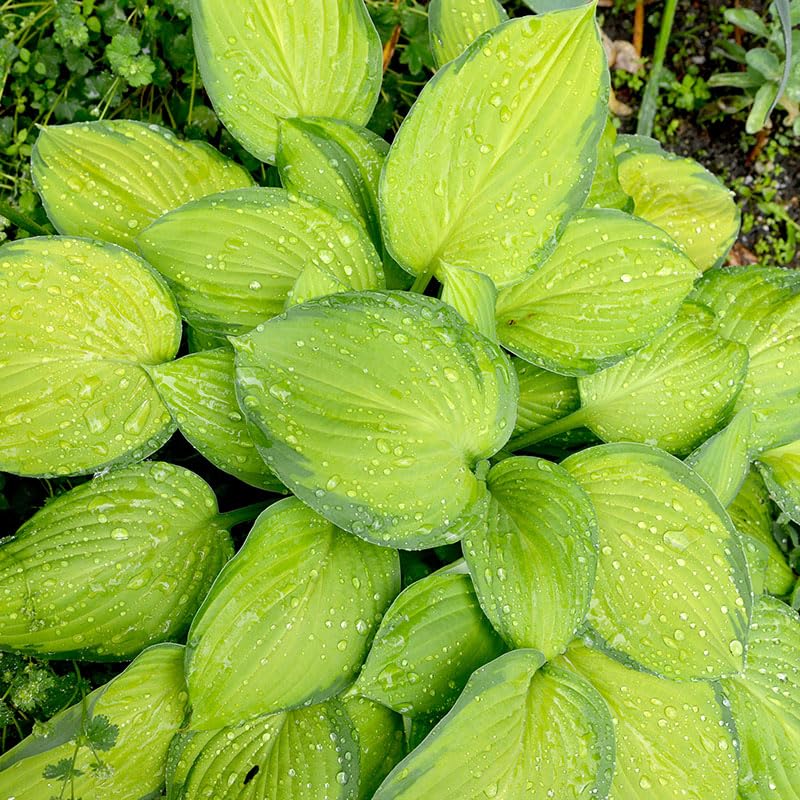
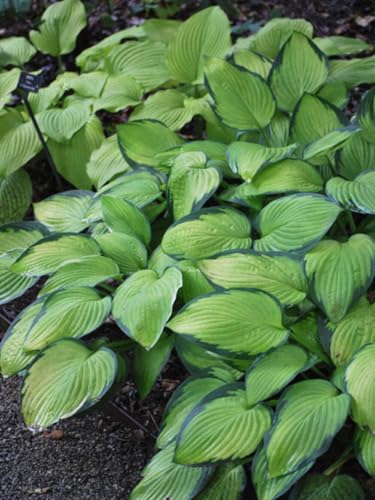
The Stained Glass Hosta offers sparkling golden variegated leaves that resist sun damage with extra moisture. The Gold Standard hosta flaunts a glowing parchment gold center that thrives in morning sun. Both turn heads without demanding deep shade.
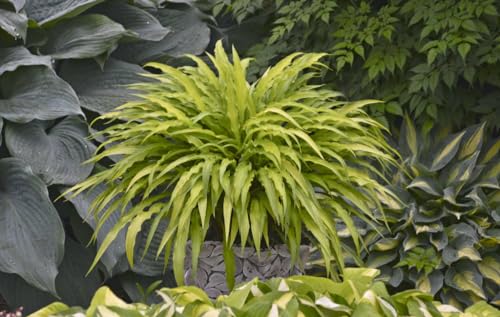
Curly Fries hosta fits filtered sun spots, bringing wavy, chartreuse leaves to brighten dim corners where full sun is still out of reach.
| Image | Name | Editor's Rating | Price |
|---|---|---|---|
|
Stained Glass Hosta - Perennial Shade Garden Flower Bulb Roo...
|
|
|
|
Perennial Farm Marketplace Hosta x 'Gold Standard' (Plantain...
|
|
|
|
Curly Fries Hosta - Live Plant - (2.5 QT) - Shade Perennial
|
|
Sun-Loving Hostas with Dazzling Foliage Appeal
Sun-loving hostas shatter old gardening myths by thriving with vibrant, sun-kissed foliage. Selecting varieties that handle bright conditions transforms gardens with durable color and texture.
1. Stained Glass Hosta – Sun-Tolerant Perennial with Sparkling Golden Variegated Leaves
- Bulb Size: No. 1 Premium
- Mature Height: 18" to 20"
- Perennial Grows Year After Year
Finding a hosta that thrives in sun rather than shade feels like chasing a rare gem. But the Stained Glass Hosta challenges that notion, offering a unique twist to hosta care and garden design.
This plant flaunts sparkling golden-green variegated leaves that genuinely brighten even partial sun areas. Contrary to the usual belief that hostas wilt under direct sunlight, the Stained Glass is sun tolerant but signals its need for more moisture when exposed fully. It’s this adaptability that makes it stand out.
With a mature height of 18 to 20 inches, it fits well in containers or garden beds, allowing for diverse placement. Plus, its fragrant, large 3-inch white blooms attract butterflies and hummingbirds, enriching your outdoor space beyond just foliage.
Maintenance is straightforward, thanks to high slug resistance, sparing you from frequent pest worries. Though it thrives best in partial shade, its extended bloom period from summer into fall ensures lasting garden appeal.
Best for: Gardeners seeking a durable and striking hosta that handles sun exposure while attracting pollinators.
What We Like:
- Sun-tolerant variegated leaves add bright color and sparkle.
- Sweetly fragrant, large blooms attract butterflies and hummingbirds.
- High resistance to slugs reduces maintenance effort.
- Compact size fits well in containers and various garden settings.
- Extends garden interest from summer through fall.
Specification:
| Specification | User Benefit |
|---|---|
| Bulb Size: No. 1 Premium | Ensures healthy, vigorous plant growth from the start |
| Mature Height: 18″ to 20″ | Compact size ideal for containers or garden beds |
| Sunlight Exposure: Partial Shade | Tolerates sun with appropriate watering, expanding planting options |
| Fragrant Blooms | Attracts pollinators, enhancing garden biodiversity |
| High Slug Resistance | Reduces pest damage and upkeep needs |
| Extended Bloom Time | Offers longer visual appeal during growing season |
| Organic Material Features | Supports environmentally friendly gardening |
2. Hosta x ‘Gold Standard’ Perennial Plant – Sun-Loving, Award-Winning Foliage and Flowers
- Hardy in USDA Zones 3-8. Due to varying agricultural regulations, we do not ship to the following...
- Shade, Part Shade
- Watch the leaves of ‘Gold Standard’ emerge in the spring a light green with a dark green margin...
Many gardeners assume hostas thrive only in deep shade, but some varieties reveal their true charm with a touch of sunlight. The Hosta x ‘Gold Standard’ offers a fresh perspective for sun gardeners looking for resilient, colorful foliage.
This plant breaks the mold with leaves that start pale green edged in dark green, evolving into a luminous parchment gold center when exposed to morning sun. It invites you to watch nature’s subtle palette shift throughout the seasons.
Standing around 18 inches tall, the ‘Gold Standard’ develops into a robust clump with low maintenance needs, making it a practical yet striking addition to your garden. Lavender blossoms appear in mid-summer, adding visual interest beyond the foliage.
Hardy from USDA zones 3 through 8, this hosta tolerates moderate watering and will stand out as a centerpiece in gardens that receive partial shade or filtered sunlight. Its rapid growth rate and adaptability can enhance a variety of outdoor landscapes.
Best for: Gardeners looking to brighten shaded areas with a durable hosta that thrives with some sun exposure.
What We Like:
- Leaves transition color with sunlight exposure, creating dynamic interest.
- Hardy in a wide range of climates, from zone 3 to 8.
- Lavender flowers add seasonal beauty beyond foliage.
- Requires minimal care, suitable for low-maintenance gardens.
- Rapid growth fills garden space quickly.
Specification:
| Specification | User Benefit |
|---|---|
| USDA Hardiness Zones 3-8 | Thrives in a broad range of North American climates. |
| Partial Shade Sunlight | Performs well with some sun, highlighting leaf color without damage. |
| Expected Height: 18 inches | Compact size fits well into many garden designs. |
| Moderate Watering Needs | Easy to care for with regular garden watering routines. |
| Lavender Flowers in July | Provides seasonal floral interest complementing foliage. |
| Low Maintenance | Ideal for gardeners seeking beauty without extra work. |
3. Curly Fries Hosta – Vibrant Shade Perennial for Filtered Sun
- This Plant will Ship in a fabric Grow Bag ( see pics ) - The plants are currently growing in a...
- A spunky, petite hosta, Curly Fries Hosta is sure to bring a smile to your face. The chartreuse...
- Morning light will allow the hosta to show its best chartreuse foliage. 2016 American Hosta Growers...
Sun-loving gardeners might hesitate when choosing hostas, thinking these plants only thrive in deep shade. But the Curly Fries Hosta breaks that mold, withstanding filtered sun and even morning light without losing its vibrant charm. It’s a petite plant that’s anything but typical.
Its chartreuse, strappy leaves curl with wiggly edges, adding texture and life where many hostas offer only broad, flat foliage. This unique form creates a cheerful display that brightens shady garden corners and spots with dappled sunlight.
Compact and easy to care for, Curly Fries remains tidy at 6 to 10 inches tall, spreading to a manageable 12 to 16 inches. It thrives in USDA zones 3 through 9, adapting well to a variety of climates while maintaining low maintenance demands.
The plant ships in a breathable grow bag that promotes healthy root systems and avoids plastic waste. While it prefers shade to filtered sun, morning sun enhances the striking chartreuse hues, setting it apart from other shade-loving candidates.
Best for: Gardeners seeking a hardy, sun-tolerant hosta with eye-catching foliage and minimal upkeep.
What We Like:
- Striking curly, chartreuse leaves that add unique texture.
- Thrives with morning sun, unlike most shade-dependent hostas.
- Compact size perfect for small garden spaces or borders.
- Ships in eco-friendly fabric grow bags encouraging healthy roots.
- Low maintenance and adaptable across a wide hardiness range.
Specification:
| Specification | User Benefit |
|---|---|
| Exposure: Shade to filtered sun | Can handle morning sun, broadening planting options. |
| Mature Height: 6-10 inches | Compact size fits smaller gardens without overcrowding. |
| Mature Width: 12-16 inches | Creates attractive ground coverage without dominating space. |
| Hardiness Zones: 3-9 | Suitable for a broad range of climates for diverse gardeners. |
| Packaging: Fabric grow bag | Promotes healthy root environment and reduces plastic use. |
| Maintenance: Low | Easy care reduces gardening workload and stress. |
Top Hostas for Sun Exposure with Key Growth and Care Features
| Hosta Variety | Height | Sunlight Tolerance | Bloom Characteristics |
|---|---|---|---|
| Willard & May Stained Glass | 18″ to 20″ | Partial Shade, Sun Tolerant with moisture | Sweetly fragrant, 3″ white blooms, Summer |
| Perennial Farm Gold Standard | 18″ | Partial Shade, some morning sun recommended | Lavender flowers, blooms in Spring and Summer |
| New Life Nursery Curly Fries | 6-10″ | Full Shade | Blooming Period: Summer to Fall |
Which Hostas Truly Shine in Sunny Spots?

Not all hostas shy away from sunlight. Some varieties carry a spark that actually thrives with a dose of sun. Picking the right one can make a striking difference in your garden’s brightness and vitality.
Sunlight Tolerance: How Much Light Can They Take?
Sunlight tolerance is the pivotal trait determining if a hosta can thrive beyond shady refuges. Hostas traditionally prefer shade, but the best for sun can handle partial to morning sun without leaf scorch. The challenge is their leaf structure and pigment sensitivity to UV rays, which affects photosynthesis efficiency. For instance, the Stained Glass Hosta has adapted variegated leaves that sparkle under sun yet signal moisture needs aggressively.
On a molecular level, sun-tolerant hostas produce photoprotective pigments like carotenoids, which shield chlorophyll from damage. These pigments reflect and absorb light differently, allowing the plant to utilize brighter environments without cellular injury. The Gold Standard variety’s shifting leaf color is a visual sign of this adaptation at work.
Ignoring sunlight tolerance can lead to wilting, scorched leaves, and weakened growth. Selecting a hosta without sun-adaptive traits for a sunny spot invites rapid leaf burn and a stressed plant that struggles to recover.
Leaf Variegation and Color Shifts: More Than Just Looks
The leaf color pattern isn’t just visual flair—it’s a response to environment and an indicator of plant health. Variegated varieties like Stained Glass and Gold Standard display golden or parchment hues that deepen with sunlight exposure. This variegation arises from differential chlorophyll concentration, often creating zones that reflect more light, which helps avoid overheating.
Technically, leaf variegation results from genetic mutations affecting pigment production. These areas have less chlorophyll, making them lighter and more reflective. When exposed to sun, these variegated zones can intensify in color due to anthocyanin pigment production, which serves as a sunscreen for plant tissues. The Gold Standard’s evolution from pale to luminous gold highlights this complex interplay.
Neglecting this factor means missing out on hostas that visually respond to sun with vibrant, seasonally shifting tones. Plants without sun-friendly variegation may fade rapidly or lose their appeal when placed in sunny conditions.
Moisture Needs Relative to Sun Exposure
Sunlight directly drives a hosta’s water requirements. Hostas that tolerate sun often need more frequent hydration as sun increases evaporation from leaves and soil. The Stained Glass Hosta’s tendency to signal moisture stress when fully exposed underlines this delicate balance.
The physics of transpiration dictate that under higher irradiance, stomata open wider to release water vapor, cooling leaf surfaces but increasing water loss. Without adequate moisture supply, a sun-exposed hosta will suffer from dehydration, leaf curl, and eventual tissue dieback. Soil moisture retention and irrigation choices thus become critical.
Disregarding the moisture-sunlight link results in sun-tolerant hostas failing prematurely due to drought stress. Even the hardiest varieties won’t perform well if water is insufficient relative to their increased sun-driven demand.
Plant Size and Growth Habit in Sunlight
Size and shape influence how well a hosta performs in a sunny environment. Smaller hostas, like the Curly Fries, suit filtered or partial sun rather than full sun. Their compact size suggests less leaf area to lose water, but also less shading capacity for their own roots. Taller varieties such as Stained Glass and Gold Standard offer more surface area but demand more careful positioning to avoid direct midday sun.
The growth habit also affects airflow and heat dissipation. A dense, broad leaf canopy can trap heat and humidity closely, raising disease risk. Open or textured foliage, as in Curly Fries with its curled edges, promotes cooling. Understanding how size and habit interact with sun exposure helps in placing hostas where they won’t overheat or dry out too fast.
Overlooking size and growth habits can place susceptible hostas in sun-exposure levels that overwhelm their adaptive capacity, causing stunted growth and leaf damage.
Blooming Characteristics and Seasonal Appeal in Sun
Flowering is a less discussed but rewarding aspect of sun-tolerant hostas. Some varieties produce fragrant or colorful flowers that benefit from sunlight to bloom profusely. For example, Stained Glass offers sweetly fragrant white blooms in summer, while Gold Standard produces lavender flowers visible in two seasons. Flowers can enhance the garden’s sensory appeal, adding value beyond leaves.
Flower development depends on energy availability which sunlight maximizes. Hostas with sun tolerance often initiate budding earlier or sustain blooms longer, thanks to higher photosynthetic rates. This trait also draws pollinators, enriching garden biodiversity. Tracking bloom times and habits is therefore useful in selecting hostas that provide a fuller seasonal display in sunny spots.
Ignoring bloom traits can limit a garden’s visual and ecological interest. A sun-tolerant hosta known for leaf color but lacking flowers misses out on a valuable, lively dimension that sunlight can unlock.
Frequently Asked Questions
Which hosta variety handles the most sunlight without damage?
Stained Glass Hosta stands out for its sun tolerance, able to thrive in partial sun with adequate moisture. This makes it a rare hosta that brightens sun-exposed areas without suffering typical sun scorch.
Unlike many hostas that prefer deep shade, Stained Glass displays sparkling golden-green variegated leaves that maintain vibrancy under sun, but watching soil moisture is essential to prevent leaf stress.
Keeping soil consistently moist is a key tip to help this variety cope with sunlight exposure effectively.
Can hostas flower well when grown in sun?
Yes, certain sun-tolerant hostas like ‘Gold Standard’ and Stained Glass produce attractive flowers under partial sun. Their blooms add seasonal interest beyond foliage, with Gold Standard offering lavender flowers and Stained Glass yielding fragrant white blooms.
Flower development benefits from morning sun exposure, which enhances the plant’s color shift and blooming cycle in spring and summer. This contrasts with shade-only hostas that may bloom less reliably.
Planting these varieties in spots with morning sun rather than harsh afternoon light promotes both foliage health and flowering success.
Is Curly Fries hosta suitable for sunny spots?
Curly Fries hosta prefers full shade to filtered sun and is not recommended for direct or prolonged sun exposure. It thrives in less light-intensive environments where its unique curled, chartreuse leaves can avoid sun damage.
Its petite size (6-10 inches) and texture complement shaded gardens well but it lacks the sun tolerance seen in Stained Glass or Gold Standard varieties, which handle brighter conditions better.
Avoid planting Curly Fries in sunny locations since excess sun stress can fade leaf color and scorch edges.
How tall do sun-tolerant hostas typically grow?
Sun-tolerant hostas like Stained Glass and Gold Standard reach about 18-20 inches tall, providing a medium height suitable for a variety of garden spaces. Their stature allows them to be used as focal points or companion plants among lower groundcovers.
Curly Fries is notably smaller, growing just 6-10 inches tall, making it ideal for border accents or container planting in shady areas rather than sunny ones.
Knowing the height helps in planning garden design and spacing to ensure proper light and airflow around the plants.
What care adjustments are needed for hostas grown in sun?
Hostas grown in sunnier spots require attention to moisture and soil conditions to prevent leaf scorch and stress. Varieties like Stained Glass show sun tolerance but signal thirst through leaf wilting, so regular watering is important.
Mulching helps retain soil moisture and keeps roots cool, which benefits sun-exposed hostas. It’s also wise to monitor for pests that may become more active in warmer, sunnier microclimates.
Applying deep, consistent watering and mulch around the base encourages healthy growth and mitigates sun stress effectively.
Best Hostas to Brighten Sunny Gardens
Bringing hostas into sunny spots transforms garden design by offering sun-tolerant varieties that thrive where shade-loving types falter. This shift allows gardeners to enjoy the classic hosta texture and color even in high light, creating eye-catching beds where few plants previously thrived. Selecting the right sun-hardy hosta energizes your landscape with vibrant foliage.
For bold, colorful impact, varieties like Stained Glass excel under full sun, while Gold Standard fits well in partially shaded, moist areas. More delicate cultivars such as Curly Fries suit gardens with gentle morning light. Matching hosta choice to your garden’s specific light and moisture conditions promotes healthy growth and garden harmony.
To ensure your sun-loving hostas flourish, position them in spots with filtered morning sunlight and consistent moisture. Avoid exposing them to intense afternoon rays to prevent leaf damage. Paying close attention to watering routines helps maintain the vibrant foliage that makes these varieties stand out.
Last update on 2026-10-14 / Affiliate links / Images from Amazon Product Advertising API