
Best Material for Retaining Wall: Durable Choices for Lasting Structural Support
Retaining walls can crumble or shift unexpectedly, turning a once-neat yard into a patch of uneven soil and frustration. Water pooling and soil erosion push walls to their limits, making poor material choices painfully obvious. The wrong base materials guarantee repairs sooner than later.
Towallmark’s geotextile fabric delivers heavy-duty drainage and erosion control with a 350N tensile strength and 440N load capacity. Yeaborn’s fiberglass geogrid offers a stiffer reinforcement, boasting a remarkable 50KN tensile strength that resists heat and corrosion for serious structural support.
AdirPro’s galvanized steel mesh baskets add an unmatched physical barrier, locking stones tight with weatherproof durability perfect for high-exposure environments.
Durable Retaining Wall Materials Engineered for Strength
Retaining walls demand materials that balance strength, longevity, and environmental resilience. Selecting the right components ensures structural integrity and lasting soil retention. Quality choices lead to durable, stable, and visually appealing landscape solutions.
1. Towallmark Durable Geotextile Fabric, 6ft x 100ft for Heavy-Duty Landscape Drainage & Stabilization

- Heavy Duty and High Strength Material: Features 6oz tough and durable density, PP non-woven, 350N...
- Exclusive Permeability & Soil-Friendly: This is not normal landscape fabric!!!! This is for major...
- Widely Usage: Towallmark can help you deal with many projects where you need to make Drainage...
Handling heavy traffic and massive loads requires more than just basic ground covering. Towallmark’s geotextile fabric delivers exceptional tensile strength of 350N and a sturdy load capacity of 440N, engineered to withstand demanding construction conditions.
Crafted from a 6oz dense polypropylene non-woven material, this fabric excels in erosion control and drainage, making it a reliable safeguard under concrete, pavement, and high-use roadways. It’s less about weed prevention and more about enduring heavy pressure without tearing or degrading.
Installation is straightforward with its generous 6ft by 100ft dimension, which can be easily cut to fit specific project needs. Simply roll it into place for quick setup, minimizing downtime and effort on-site.
While perfect for stabilizing driveways and French drains, Towallmark’s fabric also supports retaining wall applications by separating soil layers and enhancing structural longevity. The brand’s commitment to durability ensures performance for decades when protected from direct sunlight.
Best for: Builders and landscapers requiring robust drainage and soil stabilization solutions for high-traffic or load-bearing projects.
Pros:
- High tensile strength and load capacity
- Resists tearing and erosion under pressure
- Allows effective water drainage without compromising soil separation
- Large size, easy to handle and cut on-site
- Long-lasting material designed for decades of use
Cons:
- Not intended as a weed barrier, so additional measures needed for vegetation control
- Exposure to sunlight must be minimized to maintain material integrity
2. Yeaborn Universal Fiberglass Geogrid Roll 4′ x 98′ for Soil and Structural Reinforcement
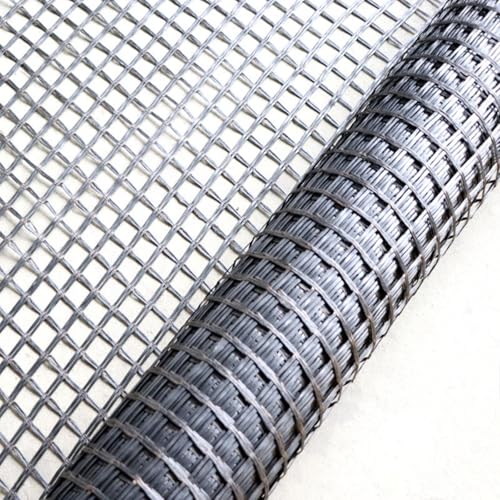
- 【Universal Retaining Fiberglass Geogrid Specifications】- Product Size: 4' x 98' (1.22m x 30m...
- 【Excellent Materials】-This product is made of high-quality Fiberglass . It has high tensile...
- 【Prevent Collapse and Cracking】-Fiberglass Geo Grid can prevent the collapseor cracking of the...
Strengthening walls and roadbeds demands a reinforcement that can handle intense stress without failing. Yeaborn’s fiberglass geogrid roll brings a solution that fortifies soil and substrates with impressive tensile strength of 50KN, ensuring long-term stability in demanding conditions.
Engineered with high-quality fiberglass, this geogrid withstands extreme temperatures and resists corrosion, which makes it an essential layer beneath roads and retaining structures. Unlike traditional reinforcement methods, it distributes loads both horizontally and vertically, boosting the compressive strength of soil and wall systems.
Reducing the risk of collapse and cracking, this product minimizes excavation depth and base materials needed, saving both time and effort during installation. Its flexible design allows for easy cutting and adaptation to varied project requirements without the need for heavy machinery.
Yeaborn’s geogrid suits a broad spectrum of applications such as embankments, slopes, parking lots, docks, and freight yards. This versatility combined with its durability and reinforcement capability preserves structural integrity and maintains a neat, uniform surface.
Best for: Builders and landscapers tackling reinforcement projects requiring reliable stabilization of soil and retaining structures.
Pros:
- High tensile strength with 50KN capacity
- Resistant to heat and corrosion for extended use
- Flexible roll design for easy customization and installation
- Effective in preventing ground collapse and surface cracking
- Versatile for use across multiple soil reinforcement needs
Cons:
- May require precise cutting to fit unique project dimensions
- Performance depends on proper installation and soil conditions
3. AdirPro Durable Galvanized Steel Welded Mesh Baskets for Stone Retaining Walls – 3 Pack

- HIGH QUALITY. The AdirPro Gabion Basket is made of rust-proof and weather-resistant rigid galvanized...
- MESH GRID. The 36.01” H x 36.01” W x 2.56” D mesh grid is formed by spot welding transverse...
- LARGE CAPACITY AND EASY TO INSTALL. Our mesh cages are 3 ft3 x 3 ft3, able to hold a considerable...
Constructing a sturdy barrier for soil retention requires materials that balance durability with ease of assembly. Crafted from weather-resistant galvanized steel, these welded mesh baskets guarantee long-lasting resistance to rust and harsh environmental effects, making them an excellent choice for outdoor projects.
The robust design includes a precisely spot-welded grid structure measuring 36 by 36 inches, providing exceptional stability to securely hold heavy stone or rock infill without warping or bending. Their substantial 3 cubic feet capacity in each basket supports a large volume, which helps reduce the number of units needed for even substantial retaining walls.
Installation is straightforward and flexible, accommodating both residential landscaping needs and commercial applications such as erosion control or shoreline protection. Incorporating AdirPro’s gabion baskets offers an address to concerns about structural integrity where typical fencing or wall materials often fall short under pressure.
Users benefit from both the rugged alloy steel which performs well outdoors and the system’s modular design, making future modifications or adaptations simpler and less labor-intensive. AdirPro seamlessly merges durability with versatility to meet varying demands of landscape stabilization.
Best for: Property owners seeking a robust and adaptable solution for retaining soil and defining outdoor spaces.
Pros:
- Galvanized steel construction for superior rust resistance
- Spot-welded mesh grid ensures long-term structural strength
- Large volume capacity minimizes number of units required
- Suitable for both residential landscaping and commercial use
- Modular design aids easy assembly and flexibility in layout
Cons:
- Requires manual assembly which may involve a moderate learning curve
- Dimensions and rigid structure might limit use in very small or irregular spaces
4. vidaXL Durable Steel Garden Edging Cage – Set of 3 Sturdy Retaining Wall Baskets

Constructing a robust boundary often requires more than just traditional materials. The vidaXL retaining wall basket lends exceptional structural integrity thanks to its alloy steel construction, designed to withstand significant weight and pressure from soil and landscaping features.
Measuring 59 inches in length and width, each piece creates a versatile containment unit that adapts easily to varied garden forms. The woven steel mesh design promotes excellent drainage while securely holding stones or fill, eliminating common erosion problems without bulky concrete.
Its stone color offers a natural look that blends harmoniously with outdoor settings, providing not only function but also a tasteful aesthetic enhancement. Assembly is required, but the straightforward design ensures you’re not left waiting to start your landscaping project.
VidaXL’s steel garden edging cage stands strong where flexibility and durability meet. With three cages per set, you can create customized layouts that suit sloped and uneven terrains, offering long-lasting retention that traditional walls may struggle to maintain.
Best for: Gardeners and landscapers needing resilient support solutions that combine practicality with natural appeal.
Pros:
- Heavy-duty alloy steel construction resists deformation
- Promotes effective drainage to reduce soil erosion
- Generous 59″ dimensions fit diverse garden layouts
- Natural stone color blends seamlessly into outdoor environments
- Modular set of three units allows customizable configurations
Cons:
- Some assembly effort required to set up the cages
- Steel material may require occasional rust prevention in very wet climates
5. Aifukena Durable Fiberglass Geogrid for Enhancing Retaining Wall Stability and Soil Support
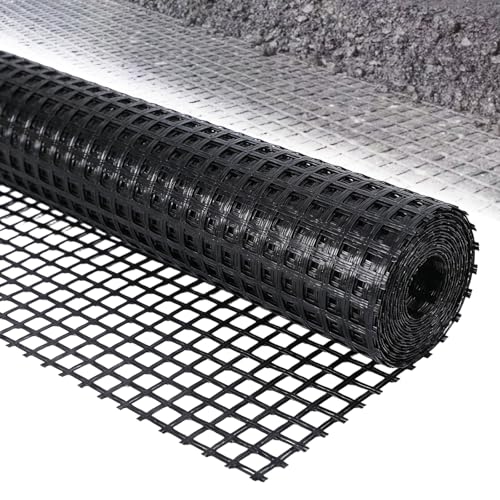
- ✅【Retaining Wall Fiberglass Geogrid】The Retaining Wall Fiberglass Geogrid boasts a reliable...
- ✅【Enhanced Soil Stability】 Bi-Directional Fiberglass Geogrid Prevent lateral displacement of...
- ✅【Eco-Friendly & Cost-Effective】Geogrid for Retaining Walls aging-resistant and...
Combining robust tensile strength with flexibility, this fiberglass fabric offers a powerful solution for reinforcing soil behind retaining walls. Its ability to prevent lateral shifts actively supports slopes and reduces the chance of wall deformation.
Resistant to aging and temperature extremes, the material withstands prolonged soil pressure, sustaining structural integrity over time with low maintenance demands. Its lightweight, yet sturdy network makes handling and cutting simple, which speeds up installation while keeping costs manageable.
It enhances the load-bearing capacity of walls, making it an economical alternative where longevity and reliability are crucial. The woven polyester and polyvinyl chloride elements contribute to its exceptional tensile properties and resilience.
Engineered by Aifukena to adapt to various construction sizes and layouts, this geogrid facilitates efficient customization through splicing and trimming. It serves well in both road maintenance and pavement projects where cracking control is vital.
Best for: Builders or landscapers seeking a tough, adaptable reinforcement grid to improve soil stability and extend the lifespan of earth-retaining structures.
Pros:
- High tensile strength delivering effective soil reinforcement
- Durable against environmental aging and temperature changes
- Lightweight and easy to cut for rapid installation
- Improves load capacity and limits wall deformation
- Eco-friendly and cost-effective over long-term use
Cons:
- Primarily suited for commercial and industrial grade projects rather than small-scale residential applications
- May require precision cutting and fitting which could challenge less experienced installers
6. Geostar Technologies Bi-Directional Geogrid Roll 4ft x 45ft Reinforced Slope Solution

Extending the lifespan of earth-retaining structures often hinges on choosing the right reinforcement material. This geogrid fabric offers exceptional tensile strength thanks to its high tenacity polyester yarns, making it a formidable choice for demanding soil stabilization tasks.
Engineered for effective integration within retaining walls and slopes, the product benefits from a robust PVC coating to resist environmental wear. Such durability translates into reliable performance under pressure and long-term soil retention.
Manufactured by Geostar Technologies, the roll format measuring 4 feet by 45 feet allows adaptability to various project scales without cumbersome seams. The bi-directional design enhances multidirectional load distribution, reinforcing structures against shifting ground forces.
While this material excels in residential applications, its strength and coating protect against soil movement while minimizing maintenance needs. Its rectangular shape facilitates straightforward deployment and layering within reinforcement frameworks.
Strong soil stabilization, resistant coating, and flexible sizing combine to offer an advanced solution that outperforms many common reinforcement fabrics.
Best for: Homeowners and contractors focused on enhancing slope stability and retaining wall durability in residential settings.
Pros:
- High tensile strength from polyester yarns
- PVC coating provides environmental protection
- Bi-directional weave distributes loads evenly
- Roll format simplifies installation
- Suitable for reinforced slopes and retaining walls
Cons:
- Primarily rated for residential use, may lack industrial-grade reinforcement
- Roll dimensions might require multiple sections for very large projects
Top Materials for Retaining Walls With Key Construction Specifications
| Product Name | Material | Dimensions | Tensile Strength | Additional Features |
|---|---|---|---|---|
| Towallmark Geotextile Fabric | PP non-woven | 6ft x 100ft | 350N tensile strength | Drainage, erosion-proof, load 440N capacity |
| Yeaborn Fiberglass Geogrid Roll | Fiberglass, Polyester, PVC | 4ft x 98ft | 50KN tensile strength | High temp & corrosion resistance |
| AdirPro Gabion Basket Steel | Galvanized steel alloy | 36.01″ H x 36.01″ W x 2.56″ D | Not applicable | Rust-proof, weather-resistant mesh |
| vidaXL Gabion Cage Planter | Alloy steel | 59″L x 59″W | Not applicable | Garden edging, requires assembly |
| Aifukena Retaining Wall Geogrid | Fiberglass, Polyester, PVC | 4ft x 50ft | 50KN tensile strength | Lightweight, flexible, long service life |
| Geostar Bi-Directional Geogrid | High Tenacity Polyester coated PVC | 4ft x 45ft | Not specified | Residential grade, roll form |
What Should You Prioritize When Choosing the Best Material for Retaining Walls?

Settling on the right material for your retaining wall is the difference between a solid structure and a crumbling mess. Each factor from durability to ease of assembly influences your project’s success and longevity.
Strength and Load-Bearing Capacity
Strength is the backbone of a retaining wall material. It governs how much soil pressure and external weight the wall can resist without failure. Ignoring strength risks catastrophic collapse when the earth pushes too hard.
The tensile properties of materials like the Yeaborn Fiberglass Geogrid with an impressive 50KN tensile strength demonstrate how engineered reinforcements hold soil in place. Galvanized steel baskets, on the other hand, provide rigid containment, preventing displacement of heavy stone infills through their sturdy mesh.
Failing to choose material with adequate load capacity will shorten your wall’s lifespan and might even cause sudden failures, posing safety risks. Strong and load-specific materials prevent bulging or cracking caused by earth pressure over time.
Durability Against Environmental Stress
Durability measures how well retaining wall materials withstand the harsh effects of weather, moisture, and temperature changes. These walls face constant exposure to soil and water, making resistance to corrosion, UV damage, and rot critical. Choosing durable materials directly impacts how long your wall lasts and performs.
Materials like fiberglass geogrids, such as Aifukena’s, are known for their excellent resistance to aging and temperature swings. Galvanized steel components prevent rust, which is vital for outdoor wire baskets or frames. Meanwhile, non-woven polypropylene fabrics provide strong erosion control and water resistance, preserving the wall’s base integrity.
If you ignore durability, walls can quickly suffer from rust, rot, or erosion. This weakens structural stability and increases maintenance costs over time. Investing in robust materials helps keep your retaining wall sturdy and reliable for years.
Drainage Capability and Erosion Control
Drainage is often the invisible hero of retaining walls, directing water away to relieve underground pressure. Without proper erosion control, water buildup causes soil movement that destabilizes walls.
Materials such as the Towallmark Geotextile Fabric offer drainage and erosion prevention through high permeability, allowing water to flow through while filtering soil particles. Steel mesh baskets promote drainage by enabling water to pass freely through stones contained within.
A retaining wall lacking adequate drainage materials risks soil saturation and erosion behind the wall. This leads to increased lateral pressure and eventual structural failure. Integrating drainage-focused materials keeps water managed and your wall secure.
Ease of Installation and Adaptability
Ease of installation plays a huge role in cutting down labor costs and speeding up construction. Choosing materials that fit the site and design makes the whole process simpler and less stressful. If the material is heavy or tricky, you might need extra tools or experienced workers, which adds time and money.
Materials like Aifukena fiberglass rolls offer lightweight strength and can be trimmed to fit curved or uneven surfaces. Gabion baskets, such as those from AdirPro or vidaXL, come ready to assemble and easily conform to odd shapes when filled with stones, making them very adaptable for different garden styles.
Ignoring installation ease can cause delays and hike expenses due to complications. Using materials that fit site conditions and install smoothly ensures a faster build with less hassle, delivering a clean, sturdy retaining wall in the end.
Longevity and Maintenance Requirements
Longevity is crucial because it determines how long your retaining wall material will stay strong without constant repairs or decay. Maintenance needs directly affect how much time and money you’ll spend over the years. A material that wears out quickly can lead to frustration and extra expenses.
Consider materials like fiberglass geogrids, which are highly resistant to environmental damage and need very little upkeep. Galvanized steel cages prevent rust, maintaining the wall’s structural integrity. Non-woven polypropylene geotextiles act as excellent erosion barriers and last a long time without breaking down.
If you ignore the importance of longevity, you could face frequent maintenance or early replacement. Choosing durable and low-maintenance materials means your retaining wall will stay reliable and save you money and effort in the long run.
Cost-Effectiveness Relative to Project Scale
Cost-effectiveness is crucial for matching the budget to the project’s size and demands without compromising quality. A low initial price can be tempting, but it often means paying more later on repairs or replacements. Balancing cost and durability helps avoid wasted resources.
Materials like geogrids come with varying prices tied to their tensile strength and protective coatings. Similarly, gabion cages depend on the steel grade and size, which impact price and longevity. For large projects, using fabric from Towallmark, designed for drainage, can be a smart choice—offering durability and reducing future soil issues.
Ignoring the cost-performance balance can cause either overspending or a wall that fails prematurely. Making informed material decisions aligned with your budget ensures a solid, lasting retaining wall without unnecessary expenses.
Environmental Impact and Sustainability
Choosing eco-friendly materials for retaining walls plays a crucial role in reducing your project’s overall footprint. This factor is more than just a trend—it’s a responsibility to protect the environment while still achieving sturdy structures.
Materials like natural stone in gabion baskets are often sourced locally, minimizing transportation emissions. Additionally, using recyclable geotextiles made from polypropylene helps avoid the environmental harm caused by conventional chemically treated fabrics. These materials not only resist erosion but also support soil stability and preserve groundwater quality.
Ignoring sustainability can cause serious consequences, including increased waste and habitat damage. Failing to select responsible materials may lead to long-term ecological harm. Opting for sustainable choices helps your project blend into the natural landscape while promoting conservation efforts for future generations.
Frequently Asked Questions
What is the most durable material for a retaining wall reinforcement?
The most durable material often comes down to fiberglass geogrids or galvanized steel mesh baskets. Fiberglass geogrids like the Yeaborn or Aifukena products offer high tensile strength (50KN) and excellent resistance to environmental conditions, ensuring long-term soil stabilization. Meanwhile, galvanized steel baskets provide robust structural support with rust-resistant properties designed for heavy loads.
Fiberglass geogrids excel in reinforcing soil behind walls due to their resistance to corrosion and temperature extremes, while steel baskets are preferred for stone-filled retaining walls, offering physical containment and stability. Both serve unique yet complementary reinforcement roles.
Pick fiberglass geogrids for flexible soil reinforcement and steel baskets when physical stone retention is a priority. Mixing these materials can enhance wall longevity.
How important is the tensile strength in choosing retaining wall materials?
Tensile strength is crucial for retaining wall materials because it determines how well the material can hold back soil without breaking. Strong materials, like fiberglass geogrids with tensile strengths around 50KN, provide excellent reinforcement and reduce soil movement behind the wall. Weaker fabrics typically handle drainage instead of structural support.
For instance, polypropylene geotextile fabrics are great at drainage and erosion control, but they don’t offer the high tensile strength needed for heavy loads. Choosing the right strength saves you from future wall damage.
Always assess your soil and load needs carefully before picking the material to ensure a stable, long-lasting retaining wall.
Are geotextile fabrics sufficient alone for retaining wall construction?
Geotextile fabrics mainly function as erosion control and drainage layers rather than primary structural supports. Products like Towallmark’s 6oz polypropylene fabric excel in allowing water passage while preventing soil migration, but they lack the tensile strength needed to resist heavy soil pressure on their own.
They work best combined with other materials like geogrids or steel baskets, where fabrics manage drainage and geogrids provide structural reinforcement. Using geotextile fabric alone risks soil displacement behind the wall, increasing failure chances.
Always incorporate geotextile fabrics as part of a multi-layer retaining wall system rather than the sole material for optimal performance and durability.
What are the benefits of galvanized steel gabion baskets for retaining walls?
Galvanized steel gabion baskets offer excellent durability and structural strength for retaining wall projects, especially when using stone or rock fill. Their weather-resistant coating helps prevent rust and extend service life, while the welded mesh design provides a stable containment unit that handles heavy soil loads efficiently.
For example, the AdirPro baskets measure about 36 inches square and have a robust grid that maintains form over time, adapting well to irregular terrain. These baskets also promote drainage, reducing hydrostatic pressure behind walls, which prolongs wall stability.
Use galvanized steel gabions when a rugged, high-load retention solution is needed and consider proper foundation prep to avoid settlement issues.
How do fiberglass geogrids compare to polyester geogrids for retaining walls?
Fiberglass and polyester geogrids differ primarily in tensile strength and environmental resilience. Fiberglass geogrids, such as Yeaborn or Aifukena, commonly provide up to 50KN tensile strength and are highly resistant to temperature extremes and chemical degradation. Polyester geogrids like Geostar’s coated fabric might have lower strength but are often more flexible and easier to install.
Fiberglass geogrids tend to retain stiffness and structural integrity longer under soil pressure, making them suited for demanding and heavy-duty retaining wall projects. Polyester grids, often with protective PVC coatings, fit lighter residential or landscaping applications.
Select geogrid types considering project scale: fiberglass for high strength and longevity; polyester for moderate reinforcement needs where cost and flexibility matter.
Enhancing Retaining Wall Performance with the Right Materials
Addressing challenges like soil erosion and shifting foundations becomes feasible when the ideal retaining wall material is selected, greatly improving the wall’s structural integrity. This decision enables the wall to withstand environmental stress while minimizing future repairs, resulting in a more enduring and attractive landscape component.
Galvanized steel baskets are ideal for projects needing heavy-duty support and rust resistance, particularly in harsh environments. Meanwhile, polypropylene geotextiles excel in erosion control and drainage, suited for softer soil conditions. Fiberglass geogrids offer flexibility essential for slope stabilization and dynamic soil movement.
Careful measurement prevents size mismatches that could undermine wall stability. Attention to proper installation methods, such as secure anchoring and adequate overlap, is crucial to uphold long-term performance and safety of your retaining wall system.
Last update on 2026-10-14 / Affiliate links / Images from Amazon Product Advertising API