
Best Mobile Home Furnace: Efficient Heating Solutions for Cozy Spaces
Cold drafts sneak through every seam in your mobile home. Your furnace fizzles out before heating all rooms. Each noisy clank breaks your peace.
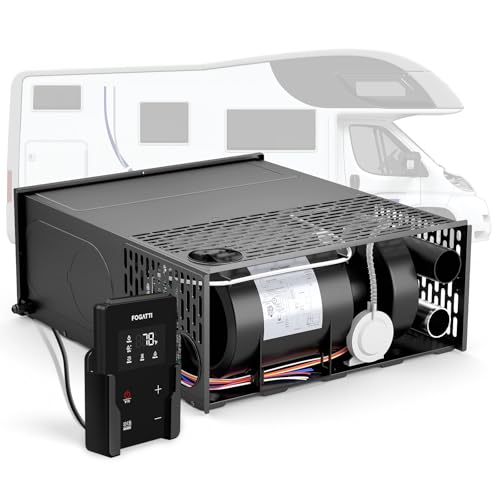
The Goodman 96% AFUE Two Stage Upflow Furnace pumps strong, steady heat into every corner. The FOGATTI RV Furnace uses silent operation and smart power control. Goodman targets high performance and flexible airflow for tough spaces.
The Suburban Furnace smooths out uneven warmth, delivering steady heat where others fall short.
| Image | Name | Editor's Rating | Price |
|---|---|---|---|

|
Goodman 96% AFUE Two Stage Upflow/Horizontal multi-speed 60k...
|
|
|
|
FOGATTI RV Furnace 35,000 BTU for Camper, Motorhome, RV Owne...
|
|
Efficient & Quiet Heating Solutions for Mobile Homes
Choosing the right heating system for mobile homes demands a careful balance between compact design and energy efficiency. Selecting the ideal furnace ensures lasting comfort without compromising space or utility costs.
1. Goodman 96% AFUE Two Stage Upflow/Horizontal Multi-Speed 60k BTU Mobile Home Furnace
- Goodman GR9T960603BN Upflow/Horizontal Furnace
- Multi-Speed ECM Two-Stage 96% AFUE Energy Star
- Heating: 60,000 BTU 0 kW, Cooling: 0 BTU, 115 VAC, 1 Phase, 60 Hz, 1200 CFM, 17.5" Cabinet Width
Finding the right furnace for a mobile home isn’t as straightforward as many folks think. Size constraints and energy efficiency often clash, making the search frustrating. The Goodman 96% AFUE Two Stage Upflow/Horizontal Multi-Speed furnace steps into this gap with a smart design that balances power and practicality.
Its compact 17.5″ cabinet width fits tight mobile home spaces without sacrificing performance. The two-stage heating works behind the scenes to deliver just the right warmth, cutting down on wasted energy when full blast isn’t needed. This isn’t just about heating; it’s about maintaining steady comfort without overheating or constant cycling.
Durable components and a multi-speed ECM blower motor mean quieter operation and longer life. Maintenance is simplified with readily accessible parts, designed to keep the system running smoothly with basic upkeep. Additionally, equipped with low NOx emissions, it leans into responsible environmental design.
While it’s powerful at 60,000 BTU, its efficiency rating of 96% AFUE ensures less fuel burn for consistent heat, making it better for year-round use. The multi-speed feature helps adapt airflow based on demand, contributing to more even temperature control throughout your home.
Best for: Mobile homeowners seeking an energy-efficient furnace with reliable multi-stage heating and a slim fit for tight installation spaces.
What We Like:
- Two-stage heating provides optimal energy savings and comfort.
- Compact design fits well in limited mobile home spaces.
- Quiet multi-speed blower improves airflow and reduces noise.
- Low NOx emissions for environmentally responsible heating.
- High 96% AFUE rating reduces fuel consumption noticeably.
Specification:
| Specification | User Benefit |
|---|---|
| 60,000 BTU Heating Capacity | Delivers ample heat for most mobile homes without oversizing. |
| 96% AFUE Energy Star Certified | Ensures efficient fuel use to lower energy bills over time. |
| Multi-Speed ECM Blower Motor | Adjusts airflow to match heating needs, enhancing comfort. |
| Two-Stage Heating | Offers gentle heat when possible and full power when necessary. |
| 17.5″ Cabinet Width | Fits easily in narrow utility spaces common in mobile homes. |
| Low NOx Design | Reduces harmful emissions, supporting cleaner indoor air quality. |
| 1200 CFM Airflow | Effectively circulates warm air throughout the home. |
2. FOGATTI RV Furnace 35,000 BTU – Efficient Quiet Heating for Mobile Homes
- Rapid Heating: Powerful 35,000 BTU max output (4 Power Leverls, adjustable down to 17,000 BTU...
- Whisper-Quiet Sleep Mode: FOGATTI RV Furnace operates at just 40dB in sleep mode—quieter than a...
- Smart Control: Unlike basic rv gas furnace, ours offers 3 modes (quick heat/standard/sleep) and...
Finding the best mobile home furnace often means choosing between power and quiet operation, but rarely both. The FOGATTI RV Furnace challenges that norm by delivering a robust 35,000 BTU output with whisper-quiet functionality, making it an unexpected upgrade for any camper or motorhome.
This furnace features four adjustable power levels, allowing it to scale from a gentle 17,000 BTU up to its max output. This flexibility provides rapid warming while maintaining efficiency, so your small living space heats quickly without wasting fuel.
Designed specifically for tight spaces, it fits seamlessly with most RV furnace brands thanks to its compact 8″H x 17-3/4″W x 20.1″D size, with options for horizontal or vertical mounting. The upgraded heat exchanger optimizes gas use, ensuring steady warmth even in sub-zero temperatures.
Its sleep mode operates at an impressively low 40 decibels, quieter than a typical library, so it won’t disrupt your rest during cold nights. Added safety features like a scratch-resistant coating and a streamlined structure make installation safer compared to many traditional heaters.
Beyond heat, the FOGATTI furnace includes smart controls with three modes and fault monitoring, enhancing convenience and peace of mind without complicating use.
Best for: RV owners and mobile home dwellers seeking efficient, quiet heating with adaptable power settings for year-round comfort.
What We Like:
- Powerful adjustable heating from 17,000 to 35,000 BTU fits different climate needs.
- Ultra-quiet sleep mode at 40dB supports undisturbed rest on the road.
- Compact, versatile mounting suits most mobile home furnace replacements.
- Smart fault-monitoring simplifies troubleshooting and management.
- High-efficiency heat exchanger extends fuel usage and heat output in cold weather.
Specification:
| Specification | User Benefit |
|---|---|
| 35,000 BTU Maximum Output | Heats mobile homes quickly for faster comfort. |
| Four Power Levels | Adjusts heat output for precise temperature control and efficiency. |
| 40dB Sleep Mode | Operates quietly to prevent sleep disturbance. |
| Compact Dimensions (8″H x 17-3/4″W x 20.1″D) | Fits in tight spaces and replaces most RV furnaces easily. |
| Upgraded Heat Exchanger | Maximizes gas efficiency and consistent heat delivery in cold climates. |
| Smart Thermostat with Fault Monitoring | Offers easy-to-use control and alerts for maintenance needs. |
| Scratch-Resistant Coating | Improves safety and durability during installation and use. |
Efficient Specifications of Mobile Home Furnaces For Optimal Heating
| Product Name | Heating Output (BTU) | Airflow Capacity (CFM) | Dimensions (W x H x D inches) | Weight (pounds) |
|---|---|---|---|---|
| Goodman 96% AFUE Two-Stage | 60,000 BTU | 1200 CFM | 17.5 x – x – | 110.9 |
| FOGATTI RV Furnace High-Efficiency | 35,000 BTU max, adjustable to 17,000 BTU | 320 CFM | 17.75 x 8 x 20.1 | 34.4 |
How to Choose the Best Furnace for Your Mobile Home?

Picking a furnace for a mobile home means juggling tight spaces, heating power, and energy use. Focus on what really matters to fit comfort and efficiency into the unique demands of mobile living.
Heating Capacity and Output
Heating capacity defines how much warmth a furnace can generate, measured in BTUs (British Thermal Units). For mobile homes, matching this capacity to the home’s square footage is crucial to avoid under or overheating. A furnace with too low BTU will struggle to keep the space warm, while an oversized one wastes energy.
Consider the Goodman furnace offering 60,000 BTU output, suited for larger mobile homes or those in colder climates. In contrast, the FOGATTI model peaks at 35,000 BTU and adjusts down to 17,000 BTU, ideal for smaller spaces needing quieter operation. The output must align with your home’s insulation and typical outdoor temps.
Ignoring heating capacity leads to discomfort and inefficiency—too little heat means constant running, excessive energy bills, and wear; too much creates temperature swings and rapid cycling. Proper BTU rating translates directly to stable, even warmth.
Physical Dimensions and Installation Space
Space constraints in mobile homes demand furnaces with compact form factors. Dimensions affect where and how easily the unit fits within narrow closets, crawl spaces, or tight utility rooms—making size a make-or-break factor.
The Goodman furnace boasts a narrow 17.5-inch width, designed for tight mobile home layouts. FOGATTI measures roughly 17.75 x 8 x 20.1 inches, balancing footprint with airflow. The shape and size dictate vent placement, ductwork alignment, and installation ease, influencing overall system performance.
Overlooking dimensions can mean costly modifications or poor air distribution if ducts are cramped or forced into awkward bends. Proper sizing ensures installation flexibility and helps maintain efficient airflow paths.
Energy Efficiency Ratings
Efficiency is the furnace’s ability to convert fuel into heat, noted by AFUE (Annual Fuel Utilization Efficiency) percentages. Higher AFUE means more heat generated per unit of fuel, reducing bills and emissions—a key factor in long-term satisfaction.
Goodman’s unit features a 96% AFUE rating, which is among the highest for mobile home furnaces. This two-stage, multi-speed model runs efficiently at lower power levels when less heat is needed, saving energy. FOGATTI furnaces aren’t always rated as high but offer adjustable outputs to better modulate consumption.
Failing to prioritize AFUE results in wasted fuel and inflated costs over time. Effective efficiency ratings reflect not just lower bills but also less frequent maintenance and environmental impact.
Airflow Capacity and Circulation
Airflow measured in CFM (cubic feet per minute) determines how well warm air moves throughout the mobile home. Good circulation ensures even temperatures, avoiding cold spots and helping control humidity and air quality.
The Goodman device provides a robust 1200 CFM, sufficient to circulate heat quickly across larger floor plans. The FOGATTI model offers 320 CFM, working well in compact or partitioned spaces where noise and draft control are priorities. Proper matching of airflow to space size prevents stagnant air or excessive drafts.
Ignoring airflow results in uneven heating, with some rooms feeling chilly and others excessively warm, reducing overall comfort. Correct CFM paired with duct design keeps air fresh and consistent.
Noise Level and Operation Comfort
Noise level plays a big role in how comfortable your mobile home feels. Because walls are thinner, even normal furnace sounds can seem loud. Choosing a furnace with quiet operation keeps the space peaceful, preventing noisy distractions that interfere with daily life.
Models like FOGATTI use whisper-quiet technology and multiple power settings to run softly or boost heat without loud blasts. Goodman’s two-stage furnace uses a variable-speed fan that adjusts airflow, cutting down on sharp noises during start-up. Quality insulation and smart design further limit sound escaping into living areas.
Ignoring this factor can leave you with constant noise that disrupts sleep and relaxation. Picking a furnace with low noise output is key to maintaining a calm home environment everyone can enjoy.
Fuel Type and Availability
Most mobile home furnaces run on propane or natural gas, so access to these fuels impacts furnace choice. The fuel type also affects burner design, safety features, and installation costs.
Both Goodman and FOGATTI furnaces typically operate on propane with compatible adjustments, a common choice for off-grid locations or RV setups. Proper matching to fuel supply pressure and local codes is necessary to ensure safe, reliable operation, with regulators and vents tailored accordingly.
Choosing a furnace incompatible with available fuel or lacking certifiable safety features can cause hazards, operational failures, or expensive conversions. Confirming fuel match avoids headaches and unexpected replacement down the line.
Durability and Maintenance Needs
Mobile home furnaces must handle constant vibration, limited space, and shifting temperatures, making robust construction crucial. A furnace’s durability directly impacts how long it lasts and how often it needs repairs. Choosing a unit designed to endure these challenges is a smart move.
Models like Goodman feature steel cabinets and multi-speed blower motors, built to withstand frequent heat cycles without wearing out quickly. The FOGATTI furnace adds easy access panels and quiet parts to minimize stress from adjustments and maintenance. Regular tasks, such as changing filters and inspecting components, keep systems running smoothly.
Ignoring maintenance or settling for flimsy materials can cause premature breakdowns and expensive fixes. Investing in a furnace built tough for mobile home conditions ensures longer service life, fewer interruptions, and better heating reliability overall.
Frequently Asked Questions
What size furnace is best for a typical mobile home?
Selecting the right furnace size depends on the mobile home’s square footage and insulation quality. Furnaces with outputs ranging from 30,000 to 60,000 BTU usually cover most mobile homes effectively.
For example, a furnace like the Goodman with a 60,000 BTU output is suitable for larger or less insulated spaces, while smaller units like the FOGATTI handle compact areas efficiently.
Always calculate your home’s heat loss or consult a pro to avoid oversized or undersized units that waste energy or struggle to heat.
How important is furnace efficiency for mobile homes?
Furnace efficiency plays a big role in keeping mobile homes warm without wasting fuel. Models with a high AFUE rating, such as Goodman’s 96%, turn almost all fuel into heat, which saves money and cuts emissions.
Less efficient units may seem cheaper initially but often lead to higher utility bills and uneven heating inside the home.
Choosing a furnace with a strong AFUE rating ensures steady warmth and better savings in the long run.
Can I install a mobile home furnace yourself?
Installing a mobile home furnace demands handling gas lines, electrical wiring, and proper venting, which is tricky. Hiring a professional helps ensure the system runs safely and meets all codes.
The Goodman furnace’s smaller size makes fitting easier, but it still needs correct placement for airflow and vent clearance to work efficiently.
Check local regulations before starting, and always schedule a certified inspection to confirm everything’s up to standard.
Is quiet operation a significant factor in selecting a mobile home furnace?
Quiet operation greatly improves comfort in confined spaces, which mobile homes often have. Furnaces like the FOGATTI model feature whisper-quiet heating and adjustable power settings, making noise less intrusive during low heat.
Such quiet systems are especially useful in mobile homes or RVs, where thin walls amplify sound. This can prevent disruptions and create a calmer atmosphere for daily living.
Look for furnaces with multi-speed fans or noise-dampening tech to keep your heating system unobtrusive and enjoyable.
What maintenance does a mobile home furnace typically require?
Keeping a mobile home furnace in good shape means regular upkeep like changing filters and inspecting vents. These steps help maintain heat output and prevent breakdowns over time.
Some furnaces, especially high-efficiency models, may need a professional to service components like burners or two-stage systems to ensure they run smoothly.
Mark your calendar for seasonal tune-ups and replace filters every 1-3 months to keep air flowing freely and avoid costly repairs.
Optimal Furnace Choices for Mobile Living Comfort
Selecting the right mobile home furnace transforms cold, inefficient spaces into warm and inviting homes. The ideal unit balances energy efficiency with the unique heating needs of mobile living, eliminating uneven temperature zones and lowering heating bills. This enhances your comfort throughout the colder seasons.
Those with larger mobile homes benefit most from the Goodman two-stage furnace, which delivers powerful, steady airflow. In contrast, compact spaces or noise-sensitive settings thrive with quieter, smaller models like the FOGATTI RV furnace, which fit easily without compromising warmth.
Properly sizing and installing your furnace is essential to maintain long-term comfort and system efficiency. Be mindful of placement and insulation during installation to prevent heat loss and ensure consistent performance over time.
Last update on 2026-10-16 / Affiliate links / Images from Amazon Product Advertising API