
Best Perennial Flowers for Hummingbirds That Transform Your Garden
Hummingbirds zoom past without stopping. Your garden’s flowers shrivel too quickly. The vibrant colors fade before you can savor them.
Bonnie Plants Pineapple Sage offers bright blooms from spring through fall in shaded spots. Wellspring Trumpet Honeysuckle thrives in partial sun with early coral blossoms.
Dark Red Hummingbird Trumpet Vine Seeds add cold-hardiness fit for zone 3 gardens. They flourish where softer perennials struggle.
| Image | Name | Editor's Rating | Price |
|---|---|---|---|
|
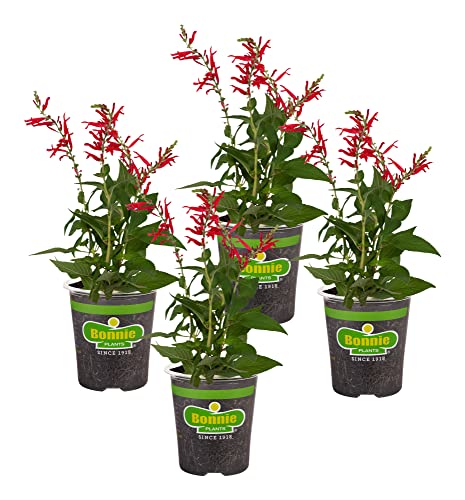
Bonnie Plants Pineapple Sage - 4 Pack Live Plants, Perennial...
|
|
|

|
Trumpet Honeysuckle Coral Live Plant - Lonicera sempervirens...
|
|
|
|
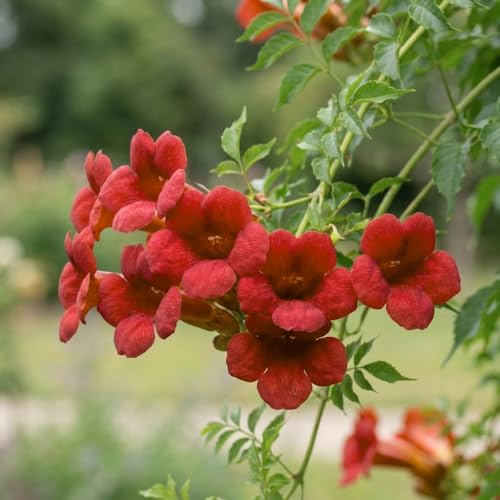
Dark Red Hummingbird Trumpet Vine Seeds Hardy Hummingbirds L...
|
|
|
|
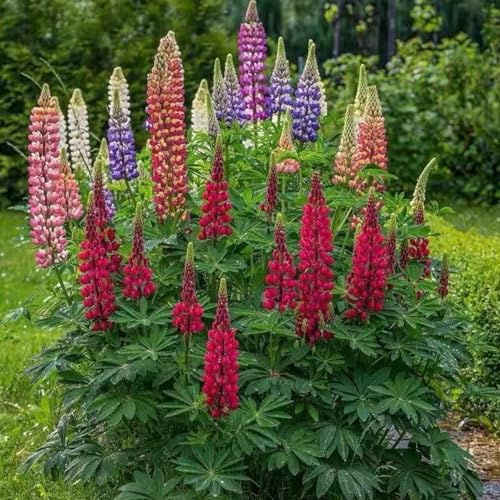
ZEshops 100 Lupine Flower Seeds – Colorful Perennial Blooms ...
|
|
|
|
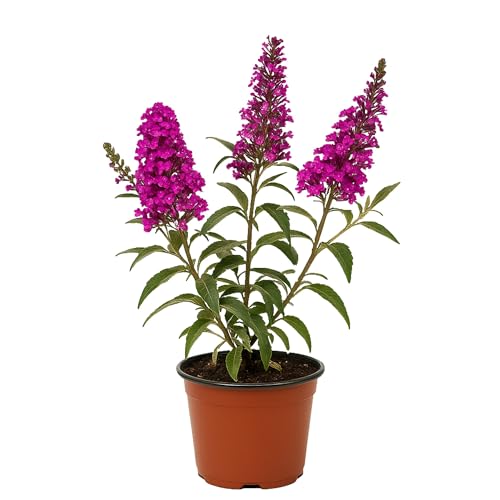
Easy to Grow Buddleia Butterfly Bush Buzz Hot Raspberry 1 Pl...
|
|
Vibrant Perennial Flowers That Magnetize Hummingbirds
Attracting hummingbirds starts with planting flowers that offer rich nectar and vibrant colors. Selecting the right perennials transforms your garden into a lively haven buzzing with these delicate visitors.
1. Bonnie Plants Pineapple Sage – Best Perennial Flowers for Hummingbirds, 4 Live Plants Pack
- Fragrant, pineapple-scented foliage
- Nectar-rich red flowers in late summer & early fall
- Attracts migrating hummingbirds & butterflies

The Bonnie Plants Pineapple Sage captures attention not only with its vibrant scarlet blooms but also with its unique, pineapple-scented leaves. While many gardeners assume all hummingbird-attracting plants are only decorative, this perennial blends fragrance and function beautifully, appealing to both senses and wildlife.
This versatile plant thrives outdoors in zones 8 to 10, growing 3 to 4 feet tall and blooming from spring through fall. Its nectar-rich red flowers serve as a magnet for migrating hummingbirds and butterflies, offering a natural, lively spectacle in your garden.
Besides its ornamental charm, Pineapple Sage is practical for more than just wildlife attraction. Its leaves make a delightful garnish in teas and flower arrangements, adding a subtle aromatic touch. The plant’s regular watering needs and preference for full shade and sandy soil make it manageable for many outdoor garden setups.
Though tender in zones 6 and 7, this perennial’s ability to flourish in warm climates with consistent care adds durability to its appeal. If you seek to enrich your garden with a plant that combines sensory delight with ecological benefit, Pineapple Sage stands out as an excellent choice.
Best for: Outdoor gardeners in warm climates wanting perennial blooms that attract hummingbirds and offer fresh garnishing herbs.
What We Like:
- Fragrant leaves enhance garden aroma and edible uses.
- Nectar-rich flowers attract hummingbirds and butterflies efficiently.
- Blooms extend from spring to fall, providing long-lasting visual interest.
- Adaptable to full shade with sandy soil, suiting various garden conditions.
- Multi-use plant: decorative, aromatic garnish, and wildlife magnet.
Specification:
| Specification | User Benefit |
|---|---|
| Indoor/Outdoor Usage | Designed for outdoor growth, perfect for natural garden environments. |
| Expected Blooming Period | Blooms continuously from spring to fall, keeping gardens lively over months. |
| Sunlight Exposure | Thrives in full shade, ideal for less sunny garden spots. |
| Expected Planting Period | Can be planted anytime from spring through fall for flexible gardening schedules. |
| Soil Type | Prefers sandy soil, which promotes healthy root development. |
| Moisture Needs | Requires regular watering to maintain lush foliage and vibrant blooms. |
| Unit Count | Comes in sets of four, enabling multiple planting options or shared use. |
2. Trumpet Honeysuckle Coral Live Plant – Vibrant Perennial for Hummingbirds
- QUALITY AND SIZE: Experience the unmatched elegance of our Honeysuckle Vine Live Plant. The plant...
- OUTDOOR AND INDOOR DELIGHT: Brought to you by Wellspring Gardens, a name synonymous with great...
- STUNNING BLOSSOMS: This live plant is perfect for outdoor spaces. Its lush greenery and vibrant...
Imagine adding a splash of vibrant coral to your garden that does more than just look beautiful. The Trumpet Honeysuckle Coral Live Plant from Wellspring Gardens isn’t your average vine—it’s a living invitation to hummingbirds and butterflies. This perennial stands out with its brilliant blossoms and a sweet fragrance that transforms outdoor spaces into buzzing paradises.
Unlike many indoor plants that struggle to thrive beyond a few weeks, this honeysuckle is both hardy and versatile. It arrives as a young vine between 3 to 8 inches tall in a compact 3-inch pot, making it easy to handle and plant at home. Its robust growth habit is perfect for adorning trellises, fences, and archways with lush greenery and colorful blooms.
It thrives best in partial sun and favors moderate watering, which means less fuss and more reward. The natural sandy soil preference aligns well with typical garden setups, easing integration into your landscape. Plus, its ability to attract pollinators elevates your garden’s ecosystem beyond simple aesthetics.
While it flourishes outdoors, this plant is also suited for indoor settings where it can brighten a sunny corner. Keep in mind, its blooming peaks in spring, revealing a spectacular show of trumpet-shaped flowers that are truly an eye-catcher for nature enthusiasts.
Best for: Gardeners seeking the best perennial flowers for hummingbirds who want a colorful, fragrant addition that supports local wildlife and adapts well indoors and outdoors.
What We Like:
- Vibrant coral blooms that attract hummingbirds and butterflies naturally
- Hardy vine ideal for vertical garden spaces like trellises and fences
- Compact size for easy planting and manageable indoor growth
- Low-maintenance with moderate watering needs and partial sun tolerance
- Enhances garden ecosystems by inviting pollinators
Specification:
| Specification | User Benefit |
|---|---|
| Plant Height (3-8 inches) | Easy to handle and position anywhere in the garden or indoors |
| Pot Size (3-inch deep) | Compact container simplifies transplanting and space management |
| Sunlight Exposure (Partial Sun) | Flexible for locations with filtered sunlight or morning sun |
| Moisture Needs (Moderate) | Reduces the risk of overwatering and fits normal watering routines |
| Blooming Period (Spring) | Timed flowering to brighten gardens during early growing season |
| USDA Hardiness Zone (5) | Suitable for a wide range of temperate climates |
| Soil Preference (Sandy Soil) | Allows for excellent drainage maintaining healthy root systems |
| Pollinator Attraction | Supports biodiversity by drawing hummingbirds and butterflies |
3. Dark Red Hummingbird Trumpet Vine Seeds – Hardy Perennial Flowers Beloved by Hummingbirds
- Dark Red Hummingbird Trumpet Vine Seeds
Imagine a garden alive with the flutter of tiny wings, drawn irresistibly to radiant blooms that thrive year after year. Dark Red Hummingbird Trumpet Vine Seeds are more than just plants; they are a magnet for hummingbirds seeking rich nectar.
Many gardeners assume that attracting hummingbirds requires constant replanting or delicate care. However, this vigorous vine proves otherwise. Hardy enough to flourish in USDA Zone 3, it offers a long-lasting floral display without the typical fuss.
These trumpet-shaped flowers thrive in full sun and sandy soil, transforming any patch into a hummingbird haven. The intense dark red blooms are precisely what hummingbirds crave, supporting their feeding with ease. Over time, this vine’s robust nature promises lush growth and captivating color.
Maintenance is surprisingly straightforward. Once established, it demands minimal watering and care, letting you enjoy the lively visits from hummingbirds without constant gardening effort. The set contains 20 seeds, ideal for creating ample vine coverage.
Best for: Gardeners looking to attract hummingbirds with hardy, low-maintenance perennial flowers that flourish in sunny, sandy conditions.
What We Like:
- Cold-hardy to USDA Zone 3, extending hummingbird-friendly gardens to cooler areas
- Deep red trumpet flowers that naturally lure hummingbirds for feeding
- Thrives in full sun with sandy soil, perfect for diverse garden setups
- Low-maintenance growth after establishment, reducing gardener workload
- Generous seed quantity enabling widespread planting and fuller coverage
Specification:
| Specification | User Benefit |
|---|---|
| Sunlight Exposure | Full sun supports vigorous growth and abundant flowering. |
| USDA Hardiness Zone | Performs well in cold climates as low as Zone 3, increasing planting range. |
| Soil Type | Prefers sandy soil which drains well, reducing root disease risk. |
| Unit Count | Contains 20 seeds to plant multiple vines for fuller garden display. |
| Flower Color | Dark red blooms effectively attract hummingbirds seeking nectar. |
| Plant Type | Vine seeds encourage climbing growth to cover fences or trellises elegantly. |
4. ZEshops 100 Lupine Flower Seeds – Colorful Perennial Blooms for Borders and Pollinator Gardens
- Vibrant Color Mix: Each pack contains 100 seeds producing a range of eye-catching flower spikes in...
- Pollinator Friendly: Lupines are known to attract bees, butterflies, and other pollinators, helping...
- Heirloom & Non-GMO: Open-pollinated, naturally grown seeds for traditional gardeners seeking...
There’s a quiet charm in flowers that do more than just look good. The ZEshops Lupine Flower Seeds promise vibrant color mixes that bring life to borders and pollinator gardens. Imagine beautiful spikes of multicolored blooms rising up to 48 inches, creating a dynamic backdrop that evolves year after year.
These seeds aren’t just about aesthetics; they’re designed to attract a lively crowd of pollinators including bees and butterflies. This means your garden doesn’t just survive—it thrives with a sustainable ecosystem that supports crucial wildlife.
Unlike many modern hybrids, these seeds are heirloom and non-GMO, catering to gardeners who value natural growth and purity. Their cold-hardy nature ensures they return each season in cooler climates, adapting resiliently to USDA Zones 4 through 8.
Simplicity meets durability here. With just well-drained soil and full sun, these lupines show dependable germination and steady growth. Their tall, elegant stems offer not just beauty but structure to wildflower areas or cottage gardens. A lively, colorful addition that nurtures both the eye and the environment.
Best for: Gardeners seeking hardy, colorful perennial flowers that attract hummingbirds and support pollinator-friendly outdoor spaces.
What We Like:
- Vibrant and diverse color mix for striking garden displays
- Strong pull for pollinators boosting garden health
- Cold-hardy perennial nature with reliable yearly return
- Non-GMO heirloom seeds ideal for organic gardening
- Tall growth providing natural garden structure and visual interest
Specification:
| Specification | User Benefit |
|---|---|
| Seed Count | Generous 100 seeds allow for ample planting and garden expansion |
| Sunlight Preference | Thrives in full sun to maximize bloom and growth |
| USDA Hardiness Zone | Suitable for cooler climates, returning annually from Zones 4 to 8 |
| Plant Height | Grows up to 48 inches adding height and depth to garden beds |
| Plant Type | Perennial flowers that come back year after year to enhance garden longevity |
| Material Features | Heirloom and Non-GMO seeds supporting organic and traditional gardening |
| Soil Requirements | Prefers well-drained loam soil for optimal healthy growth |
5. Easy to Grow Buddleia Butterfly Bush Buzz Hot Raspberry — Vibrant Perennial Flower for Hummingbirds
- PRODUCT: Includes 1 plant in a quart grower pot (Buddleia Butterfly Bush 'Buzz Hot Raspberry...
- INFO: Perennial in zones 5-9. Plant in full to partial sun. Water moderately, especially in bloom...
- BRAND: Easy to Grow is an American company that partners with farmers and growers.
If you think all hummingbird-friendly plants require frequent pampering, this bright Buddleia Butterfly Bush might just reshape your view. The Buzz Hot Raspberry delivers dazzling magenta-pink blooms that not only charm the eyes but also serve as a lively nectar source.
This perennial thrives in zones 5 to 9, adapting well to full or partial sun. Its moderate water needs simplify care, especially as it bursts with flowers from summer through fall, inviting hummingbirds and other pollinators to your garden with a subtle fragrance.
Growing 2 to 3 feet tall and wide, this compact shrub works equally well in a potted setup or garden bed. It’s remarkable for its robust performance despite minimal fuss, helping gardeners enjoy a natural spectacle without constant intervention.
While mature plants dazzle in full bloom, understand that your plant’s size and flowering state may vary upon arrival. With its resilience and low-maintenance charm, this butterfly bush elevates any outdoor space into a hummingbird haven.
Best for: Gardeners seeking an easy-care, perennial flower that consistently attracts hummingbirds and other pollinators.
What We Like:
- Attracts hummingbirds and pollinators with vibrant, fragrant blooms.
- Tolerates a range of sunlight conditions from full to partial sun.
- Moderate water requirements ease maintenance.
- Compact size fits well in containers or garden beds.
- Long blooming period from summer to fall ensures extended visual interest.
Specification:
| Specification | User Benefit |
|---|---|
| Plant Zone Compatibility | Thrives outdoors in a variety of USDA zones (5-9) suitable for diverse climates. |
| Sunlight Exposure | Performs well in full to partial sun, offering placement flexibility. |
| Water Requirements | Moderate watering needs simplify upkeep and prevent overwatering. |
| Blooming Period | Flowers from summer to fall for long-lasting garden appeal. |
| Plant Size | Compact growth (2-3 feet tall and wide) accommodates smaller garden spaces and pots. |
| Fragrance | Subtle scent adds sensory enjoyment and attracts pollinators. |
6. Seedphony 23 Wildflower Hummingbird & Butterfly Mix – Best Perennial Flowers for Hummingbirds

- 23 Wildflower Hummingbird & Butterfly Mix 4 oz or 100,000 of high-quality, Non-GMO heirloom...
- Protective Resealable Packaging with Digital Growing Guide - Seeds are sealed in a waterproof...
- High Germination Rate for Reliable Growth - Our seeds undergo rigorous quality testing to ensure a...
Imagine a garden bursting with vibrant colors, buzzing bees, fluttering butterflies, and delicate hummingbirds dancing from flower to flower. The Seedphony 23 Wildflower Hummingbird & Butterfly Mix turns this vision into reality with an impressive collection of 100,000 heirloom, non-GMO seeds.
Unlike ordinary seed packets, this mix offers a robust variety of perennial flowers specifically chosen to attract hummingbirds and other pollinators. The diverse species including Alyssum Carpet of Snow, Butterfly Milkweed, and Foxglove blend to support a thriving, natural ecosystem in your garden year-round.
All seeds come in a waterproof, resealable pouch that preserves freshness for up to two years, ensuring your garden starts strong whenever you’re ready to plant. The high germination rate means you’ll see consistent growth whether sowing in containers or garden beds.
Designed for both beginners and seasoned gardeners, this seed mix is paired with an easy-to-access digital growing guide. Detailed planting tips and care instructions increase your success rate across various climates and soil types, making it a practical choice for any garden setup.
Seedphony takes pride in American agriculture, sourcing and packaging seeds locally with controlled quality and sustainable practices. It’s more than seeds; it’s a trusted step toward a lively, colorful garden buzzing with life.
Best for: Gardeners looking to cultivate the best perennial flowers for hummingbirds and other pollinators who value variety and reliable growth.
What We Like:
- High-quality, non-GMO heirloom seeds designed to attract hummingbirds, bees, and butterflies.
- Waterproof, resealable packaging preserves seed viability up to two years.
- Over 90% germination rate ensures consistent and vibrant garden growth.
- Comprehensive digital growing guide with step-by-step instructions supports gardeners of all levels.
- Sourced and packaged in the USA with sustainable, quality-controlled processes.
Specification:
| Specification | User Benefit |
|---|---|
| Expected Blooming Period | Provides color and pollinator attraction all year for continuous garden interest. |
| Sunlight Exposure | Thrives in partial sun, suitable for diverse garden locations. |
| Expected Planting Period | Can be planted in any season, offering flexibility for gardeners. |
| USDA Hardiness Zone | Adapted to zones 2 through 11, making it viable in most regions. |
| Expected Plant Height | Compact growth at 3 inches fits well in mixed garden beds and containers. |
| Soil Type | Prefers loam or potting mix, common and easy to amend soils. |
| Moisture Needs | Requires moderate watering, simplifying maintenance. |
| Seed Weight | Four ounces provides ample quantity for large or multiple planting areas. |
| Color Variety | Includes multiple vibrant colors to enhance garden beauty and attract pollinators. |
7. 110 Hummingbird Trumpet Vine Seeds – Vibrant Perennial Flowers for Attracting Hummingbirds

- Fences and Arbors: Ideal for enhancing outdoor structures with vibrant color.
- Wildlife Gardens:A magnet for pollinators like hummingbirds and butterflies.
- Landscaping:Adds dynamic beauty and visual interest to any space.
Looking to transform your garden into a lively haven buzzing with pollinators? The 110 Hummingbird Trumpet Vine Seeds bring a splash of vibrant color and irresistible fragrance that will naturally draw hummingbirds and butterflies to your outdoor space. These seeds promise more than just flowers—they foster a dynamic ecosystem.
Unlike many plants that demand constant care, these trumpet creeper seeds thrive with minimal maintenance. They flourish best in full sun and sandy soil, comfortably with moderate watering, making them a practical choice for gardeners seeking beauty without hassle. Over time, they will climb and drape fences or arbors, turning simple structures into dramatic floral displays.
Durability is key—these non-GMO heirloom seeds yield plants that return year after year, ensuring lasting vibrancy in your garden. Their fragrant blooms emerge in the summer, a perfect period to enjoy hummingbird visits. While easy to grow, their appeal goes beyond looks: they play an essential role in supporting pollinator wildlife, contributing to a healthier ecosystem around your home.
These seeds challenge the notion that stunning pollinator-friendly plants are delicate or high-maintenance. Instead, they offer a robust, dependable option for gardeners of various skill levels who want to enhance outdoor landscapes thoughtfully.
Best for: Gardeners and nature lovers seeking low-maintenance, perennial flowers that attract hummingbirds and add colorful life to outdoor structures.
What We Like:
- Produces fragrant, colorful blooms that attract hummingbirds and other pollinators.
- Easy to grow outdoors with minimal care in full sun and sandy soil conditions.
- Ideal for climbing on fences, arbors, adding vertical interest to gardens.
- Non-GMO heirloom seeds deliver a perennial plant that returns season after season.
Specification:
| Specification | User Benefit |
|---|---|
| Indoor Outdoor Usage | Optimized for outdoor planting, perfect for garden landscapes and structures. |
| Fragrance Feature | Adds appealing scent that enhances garden experience and attracts pollinators. |
| Blooming Period | Blooms in summer when hummingbirds are most active for best attraction. |
| Sunlight Exposure | Thrives in full sun, encouraging healthy growth and abundant flowering. |
| Soil Type | Prefers sandy soil which is easy to manage and drains well for plant health. |
| Water Needs | Requires moderate watering, simplifying upkeep for busy gardeners. |
| Material Features | Non-GMO heirloom seeds ensure natural growth and perennial viability. |
8. Firespike Red – Odontonema tubaeforme: Vibrant Perennial Flower for Hummingbirds
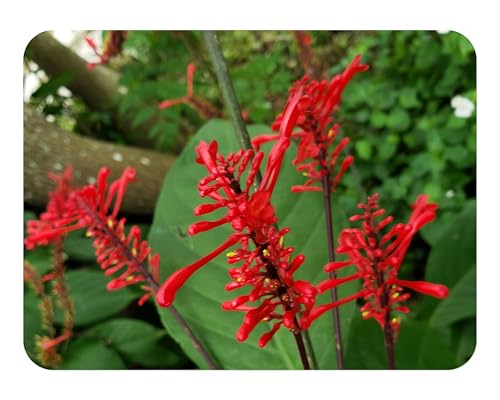
- Odontonema tubaeforme, or Red Firespike, is a versatile and easy-to-grow semi-tropical flowering...
- Firespike matures as tall 4 to 5 ft shrubs with large, shiny, dark green leaves. They establish...
- Care: Easy to grow and quick to establish, this plant thrives in a lightly shaded location. Plant in...
Imagine attracting hummingbirds to your garden even during the cooler months when nectar sources become scarce. Firespike Red offers just that by blooming in fall and winter, filling a surprising niche many gardeners overlook. This perennial flower brings vivid color and hummingbird activity when most others have faded.
Unlike typical sun-loving plants, Firespike thrives in partial shade, making it ideal for gardeners dealing with dappled light or shaded spaces. Its tall, glossy green leaves paired with striking red tubular flowers provide an engaging focal point, especially on quieter days of the year. The nectar-rich blooms encourage natural pollinators without invasive growth.
Maintenance is refreshingly simple: plant in fertile, well-draining soil and maintain moderate moisture. Once established, the shrub grows quickly and will reward you with long-lasting spikes of flowers for months, minimizing the need for constant care. Pruning after flowering keeps it neat and encourages more blooms.
Designed for outdoor use in USDA Zones 9 to 11, Firespike Red is semi-tropical and sensitive to frost, so protecting it from cold snap is essential. While it doesn’t suit indoor cultivation due to its size and light needs, it excels as a landscape accent, screen, or habitat garden element to boost biodiversity.
Best for: Gardeners seeking a low-maintenance, nectar-rich perennial that sustains hummingbird visits during fall and winter in partial shade.
What We Like:
- Long bloom cycle of 2–3 months, extending hummingbird feeding times
- Partial shade tolerance for flexible garden placement
- Non-invasive and ecosystem-friendly, supporting native pollinators
- Bold red tubular flowers provide an attractive natural screen or accent
- Easy to grow with minimal fertilizing and consistent moisture needs
Specification:
| Specification | User Benefit |
|---|---|
| Indoor/Outdoor Usage | Best suited for outdoor gardens ensuring natural growth conditions |
| Blooming Period | Flowers in fall and winter to provide nectar when few others do |
| Sunlight Exposure | Thrives in partial shade, accommodating shaded garden areas |
| Plant Height | Reaches up to 5 feet, creating a substantial visual feature |
| Soil Type | Prefers fertile, well-draining soil to avoid root issues |
| Moisture Needs | Moderate watering keeps the plant healthy without overwatering |
| Hardiness Zone | Adapted to USDA zones 9-11, ideal for semi-tropical climates |
| Special Features | Attracts pollinators and butterflies, enriching garden biodiversity |
9. Rare Yellow Hummingbird Trumpet Vine Seeds – Hardy Perennial Vine That Attracts Hummingbirds
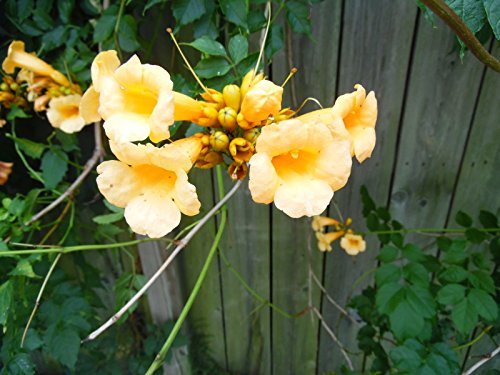
Imagine a garden splash that not only brightens up your space with vibrant yellow blossoms but also calls hummingbirds right to your window. These Rare Yellow Hummingbird Trumpet Vine Seeds offer more than a splash of color—they transform your garden into a lively hummingbird haven.
This vine is tough. It thrives in sandy soil, making it a great match even for gardens where other plants might struggle. The hardy nature of this plant means fewer worries about replanting or loss to harsh conditions.
Maintenance stays straightforward. Once established, this vine needs minimal care, letting you focus on enjoying your hummingbird visitors rather than tending constantly to your garden. Its climbing habit makes it perfect for trellises or fences where it can spread naturally.
The vibrant yellow trumpet-shaped flowers are more than ornamental; they provide a rich nectar source hummingbirds crave. This isn’t just another plant—it’s a dynamic part of your garden ecosystem that supports wildlife and adds striking color.
Best for: Gardeners seeking hardy, low-maintenance perennial flowers that naturally attract and support hummingbirds.
What We Like:
- Hardy growth in sandy soil environments.
- Vibrant yellow flowers that provide nectar for hummingbirds.
- Climbing vine nature ideal for vertical garden spaces.
- Minimal care requirements after establishment.
Specification:
| Specification | User Benefit |
|---|---|
| Soil Type | Performs well in sandy soils common in many gardens. |
| Color | Bright yellow flowers increase garden appeal and attract hummingbirds. |
| Plant Type | Vine seeds allow for flexible growing in vertical spaces like trellises. |
| Growth Habit | Climbing vine enhances garden structure and provides nectar-rich blooms. |
10. Clovers Garden Columbine Earlybird Mix – Hardy Perennial Flowers for Hummingbirds, Two Live Plants

- Two (2) large live plants – big, healthy, ready to grow, premium perennial flower plants, 4” to...
- This early to mid-spring perennial flower produces tall spike flower stems with nodding, tubular...
- Blossoms early to mid-spring or until summer heat begins. Columbine is not heat tolerant. An...
Discover the garden charm that hummingbirds can’t resist. The Clovers Garden Columbine Earlybird Mix offers two vibrant, live perennial plants grown to a strong 4″ to 8″ in height, ready to enliven your outdoor space immediately.
Unlike seed packets that require patience and uncertainty, these mature plants give you a head start with robust root systems, ensuring quicker establishment and blooms. This mix thrives in full sun and blooms from early to mid-spring, providing some of the best perennial flowers for hummingbirds looking for an early nectar source.
The nodding, tubular flowers come in varied lively colors that attract pollinators while adding striking vertical interest to flower beds and arrangements. Although these columbines aren’t heat-tolerant, their ability to flourish year after year across Zones 3 through 9 makes them a reliable addition to temperate gardens.
Maintenance is straightforward, with moderate watering needs and care that leads to plants expanding gracefully each season. Packaged thoughtfully in eco-friendly materials, your plants arrive ready to grow with included quick-start guidance, making it easy to support your local hummingbird visitors early each year.
Best for: Gardeners seeking hardy perennial flowers that attract hummingbirds and provide early spring color with durable, ready-to-plant greenery.
What We Like:
- Two large, healthy live plants with established root systems for faster growth
- Produces vibrant, tubular flowers favored by hummingbirds in early spring
- Non-GMO and free from harmful neonicotinoids, safe for pollinators
- Suitable for outdoor planting across a wide range of USDA zones (3-9)
- Easy maintenance with moderate watering under full sun conditions
Specification:
| Specification | User Benefit |
|---|---|
| Plant Height | 4″ to 8″ tall plants provide immediate garden presence and quick flowering |
| Bloom Period | Early to mid-spring bloom supplies nectar when hummingbirds most need it |
| Sunlight Exposure | Full sun requirement ensures strong growth and vibrant blooms |
| Moisture Needs | Moderate watering limits maintenance without risking overwatering |
| Hardiness Zones | Thrives in Zones 3-9 for broad geographic adaptability |
| Plant Type | Live perennial plants offer immediate impact, unlike seeds |
| Material Features | Non-GMO and pesticide-free supports safe pollinator attraction |
11. Botanical Interests Hummingbird Haven Flower Mix Seed Shaker – Vibrant Perennials and Annuals to Attract Hummingbirds Naturally
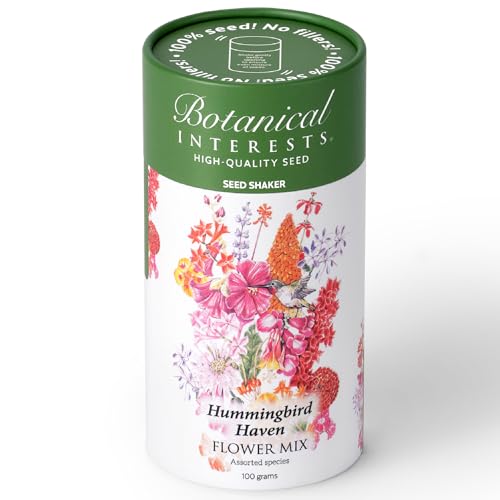
- ATTRACT HUMMINGBIRDS NATURALLY – Features 18 vibrant flower varieties, including Butterfly Weed...
- SEASON-LONG BLOOMS - Our carefully curated mix of annuals, perennials, and biennials offers...
- PERFECT FOR FULL SUN GARDENS – Ideal for sunny locations, this mix grows to heights of...
Imagine turning your garden into a lively sanctuary where hummingbirds naturally flock, drawn by bursts of vibrant color and nectar. This is exactly what the Botanical Interests Hummingbird Haven Flower Mix promises.
With a thoughtful blend of 18 flower varieties, including butterfly weed and nasturtium, this mix offers a unique set of blooms that sustain hummingbirds from late spring through fall. While many assume all hummingbird-friendly flowers bloom briefly, this seed mix challenges that idea by ensuring continuous blossoms across seasons.
Designed for full sun gardens, these flowers can adapt well from small beds to expansive landscapes. They reach heights from 6 to 48 inches, allowing variety in visual appeal and habitat creation, which goes beyond simple decoration to support local pollinators.
The eco-friendly recyclable container combines convenience and sustainability. Its shaker design helps you spread seeds evenly without clumping, reducing waste and frustration often encountered with other seed packets.
Planting is straightforward: scatter, rake lightly, and water. With germination in as few as seven days under both cold and mild climates, even novice gardeners get rewarding results with minimal upkeep.
Best for: Gardeners seeking an easy-to-use, eco-conscious seed mix that provides season-long appeal and attracts hummingbirds in sunny outdoor spaces.
What We Like:
- Diverse mix of annuals and perennials to ensure extended blooming period
- Suitable for various garden sizes and sunny locations
- Shaker packaging offers smooth, even seed distribution
- Low-maintenance planting and germination adaptable to multiple climates
- Eco-friendly, FSC-certified recyclable packaging
Specification:
| Specification | User Benefit |
|---|---|
| Coverage Area | Covers up to 1,040 sq ft, filling large spaces efficiently |
| Flower Varieties | Includes 18 vibrant species that attract hummingbirds and pollinators |
| Sunlight Requirements | Thrives in full sun, perfect for bright garden spots |
| Blooming Period | Offers blossoms from spring through fall for continuous color |
| Packaging Design | Seed shaker ensures easy, even sowing without clumping |
| Plant Height Range | Varies between 6″ and 48″, adding diverse visual layers to the garden |
| Material | Eco-friendly tube supports sustainable gardening practices |
Top Specifications for Popular Perennial Flowers Attracting Hummingbirds
| Product Name | Sunlight Exposure | USDA Hardiness Zone | Blooming Period | Soil Type |
|---|---|---|---|---|
| Bonnie Pineapple Sage | Full Shade | 8 – 10 (Perennial) | Spring to Fall | Sandy Soil |
| Wellspring Trumpet Honeysuckle | Partial Sun | 5 | Spring | Sandy Soil |
| Jocad Trumpet Vine Seeds | Full Sun | 3 | Not Specified | Sandy Soil |
| ZEshops Lupine Flower Seeds | Full Sun | 4 – 8 | Not Specified | Loam Soil |
| Easy to Grow Buddleia Bush | Full Sun | 5 – 9 | Summer to Fall | Amended Soil |
| Seedphony Wildflower Mix | Partial Sun | 2 – 11 | Year Round | Loam, Potting Mix |
| Carpet Creeping Trumpet Vine Seeds | Full Sun | Not Specified | Summer | Sandy Soil |
| Emerald Firespike Red | Partial Shade | 9 – 11 | Fall to Winter | Fertile, Well-Draining |
Key Considerations When Choosing the Best Perennial Flowers for Hummingbirds

Picking perennial flowers that attract hummingbirds involves more than just pretty blooms. Each plant’s sunlight needs, hardiness, nectar supply, and bloom timing play major roles in creating a garden hummingbirds will visit season after season.
Sunlight Exposure: Finding the Right Light Balance for Your Garden
Sunlight exposure determines where a perennial flower will thrive and how brilliantly it will bloom, which directly affects hummingbird attraction. Some flowers like Bonnie Pineapple Sage flourish in full shade, while others such as the Dark Red Hummingbird Trumpet Vine demand full sun. This factor is a make-or-break because blossoms produced under suitable light have the richest nectar supply, the primary lure for hummingbirds.
The mechanism behind this involves chlorophyll activity and photosynthesis efficiency—plants in ideal light convert more energy into nectar production and vibrant flower colors. For example, trumpet vines in zones 3 to 5 under full sun unleash intense red blooms packed with nectar, while shade-tolerant sages develop differently scented leaves alongside scarlet flowers.
Neglecting sunlight requirements results in weak plants, sparse flowering, and diminished nectar sweetness, all of which leave hummingbirds uninterested. Crowded or poorly lit gardens may see little hummingbird activity despite the plant selection, underscoring the need to match each perennial’s light preferences.
USDA Hardiness Zone Compatibility: Ensuring Perennials Survive and Flourish
USDA Hardiness Zones reflect the climate conditions that perennials tolerate, making them crucial for sustainable hummingbird gardens. For instance, the robust Dark Red Trumpet Vine thrives down to Zone 3, while the Firespike Red prefers warmer climates in Zones 9 to 11. Selecting plants compatible with your zone means flowers return year after year, reliably feeding hummingbirds.
Hardiness zones are based on minimum winter temperatures, which impact a plant’s dormancy and survival strategies. Perennials like the Buddleia Butterfly Bush adjust growth cycles to meet climate stressors within zones 5 to 9, ensuring consistent bloom periods without dying back extensively. Choosing plants outside your zone risks frost damage or poor establishment.
Ignoring zone compatibility often leads to high plant loss, wasted effort, and intermittent flower availability. This unpredictability frustrates gardeners and deprives hummingbirds of continuous nectar sources. A garden packed with non-hardy species can become a patchy nectar desert despite good intentions.
Blooming Period: Synchronizing Nectar Availability with Hummingbird Activity
The blooming period dictates when flowers will produce nectar and attract hummingbirds across seasons, which is vital for maintaining their presence. Perennials like the Bonnie Pineapple Sage bloom from spring to fall, while Firespike Red comes alive in fall and winter, bridging gaps when other flowers fade. This staggered nectar availability keeps hummingbirds returning.
Flower physiology determines blooming timing through complex hormonal cues influenced by daylight length and temperature. For example, trumpet honeysuckles bloom in early spring as days lengthen, creating an early nectar source. Meanwhile, late-season bloomers like buddleias extend nectar availability into fall. Plants with overlapping blooms create a continuous food chain for hummingbirds.
Overlooking bloom periods results in long stretches without nectar, causing hummingbirds to leave the area. Continuous bloom cycles are essential; gaps discourage hummingbirds from settling and can diminish local populations. Ignoring flowering seasons limits your garden’s ability to serve as an ongoing hummingbird resource.
Soil Type Requirements: Building the Nectar Base from the Ground Up
Soil type affects water retention, nutrient availability, and root health—factors that directly impact flower vitality and nectar quality. The Bonnie Pineapple Sage prefers sandy soil, while the ZEshops Lupine thrives in loam soil. Matching plants with compatible soil ensures robust growth and abundant blossoms rich in nectar.
Soil texture controls aeration and drainage. Sandy soils drain quickly but need more frequent watering and fertilizing to keep flowers producing vibrant blooms. Loam soils balance water and nutrients perfectly, supporting taller perennial spikes like lupines. Amended soils rich in organic matter, required by species like the Buddleia Butterfly Bush, boost nutrient uptake for richer floral displays.
Planting in unsuitable soil can stunt growth or cause root diseases, limiting flower size and nectar production. Without healthy roots anchoring the plant, blossoms may be fewer and less attractive to hummingbirds. Ignoring soil needs risks a garden full of weak flowers that fail to sustain hummingbird visits.
Plant Height and Growth Habit: Creating Accessible Nectar Zones
Plant height and growth habit influence how easily hummingbirds can feed and move through your garden. Vines like the Trumpet Honeysuckle and the Hummingbird Trumpet Vine can climb several feet, placing nectar-rich blooms where hummingbirds prefer to hover. In contrast, upright plants like the Lupine Flower form tall spikes that attract hummingbirds seeking vertical nectar sources.
Growth habits affect flower arrangement and accessibility. Climbing vines create dense clusters of tubular flowers often forming shaded refuges hummingbirds enjoy. Upright perennials present flowers at various heights, enabling hummingbirds to choose feeding spots efficiently. Sprawling or mounding plants fill space but may require pruning to expose blossoms.
Ignoring growth habit risks creating inaccessible or overcrowded flowers. Plants too tall for your garden or too dense can prevent hummingbirds from feeding effectively or cause competition with other pollinators. Thoughtful selection helps ensure easy nectar access and positive interactions between birds and blooms.
Nectar Production and Flower Color: The Irresistible Call to Hummingbirds
Nectar quantity and flower color drive hummingbird preference. Perennials with vivid reds, corals, and magentas such as the Bonnie Pineapple Sage and Buddleia Butterfly Bush Buzz Hot Raspberry visually signal rich nectar resources. High nectar production supports hummingbird energy needs, making these plants primary attractions.
Hummingbirds favor tubular flowers producing large volumes of sugar-rich nectar. This nectar is synthesized through sugar accumulation in floral tissues, influenced by genetics and environmental conditions. Red hues are linked to anthocyanin pigments that hummingbirds see vividly, guiding them directly to these energy-rich rewards.
Choosing flowers without strong nectar flow or typically favored colors can result in poor hummingbird visitation rates. Without these cues, hummingbirds may overlook your garden entirely. Prioritizing high-nectar production and signature coloration maximizes hummingbird feeding activity and garden vitality.
Maintenance Needs: Balancing Care With Consistent Hummingbird Appeal
Maintenance requirements influence how easily perennials continue to provide hummingbird habitat without constant gardener intervention. Plants like the Dark Red Trumpet Vine and Buddleia Butterfly Bush offer low water and nutrient needs, thriving with minimal upkeep. In contrast, some wildflower mixes may need periodic thinning and soil amendments for best performance.
Understanding plant life cycles and stress tolerance helps maintain a flourishing garden. Perennials that self-sow or spread moderately reduce the need for replanting. Species that withstand drought or adapt to local soils lower watering frequency, easing gardener effort. Proper pruning, deadheading, and fertilizing schedules sustain bloom vigor.
Neglecting maintenance can lead to declining flower quality, fewer blooms, and eventual plant loss, interrupting nectar availability. High-maintenance plants placed in unsuitable conditions often become woefully underperforming, frustrating gardeners and hummingbirds alike. Choosing perennials aligned with your maintenance capacity supports long-term success.
Frequently Asked Questions
Which perennial flowers attract the most hummingbirds?
Perennials like Pineapple Sage and Trumpet Honeysuckle are top choices because their bright, nectar-rich flowers naturally draw hummingbirds. These plants produce abundant blooms with colors hummingbirds favor, especially reds and corals. This combination makes them highly attractive to these energetic birds.
For instance, Bonnie Plants Pineapple Sage offers vibrant scarlet blooms combined with a fragrant twist, making it irresistible to these birds. The prolonged blooming period from spring through fall ensures continuous visits, providing a reliable food source.
Planting these flowers in groups and ensuring consistent watering enhances nectar production, keeping hummingbirds happily visiting your garden and supporting their health through the seasons.
Can hummingbird-friendly perennials grow in shaded areas?
Some hummingbird-attracting perennials like Pineapple Sage can thrive in full shade or partial shade, adapting well to less sunny spots while providing nectar-rich blossoms. This flexibility is helpful for shaded garden corners.
Emerald Firespike Red is another excellent example that blooms from fall to winter and prefers partial shade, making it unique for cooler months when most nectar sources fade.
Be cautious not to plant deep-shade species in dense shade; moderate filtered light often produces the best bloom quality and nectar supply.
When is the best time to plant perennials for hummingbirds?
Planting in early spring allows most perennials to establish before the peak hummingbird migration period, usually from late spring to summer, offering abundant nectar exactly when these birds arrive.
Some varieties, like Buddleia Butterfly Bush, bloom from summer to fall, so timing planting a few weeks before peak bloom is ideal for maximum attraction.
Be sure to prepare well-draining, nutrient-rich soil before planting and mulch to protect roots, ensuring healthy growth and bright flowering.
Do perennial flowers for hummingbirds require special soil conditions?
Soil preference varies, but sandy or loam soils with good drainage are most common for these perennials. For example, Bonnie Pineapple Sage prefers sandy soil, while Lupine Flower Seeds thrive best in loam soils, supporting healthy root development and rich blooms.
Amended or fertile soils, like those needed by Buddleia Butterfly Bush, encourage abundant flowering by retaining moisture without waterlogging roots. This balance is key to sustaining vibrant plants that attract hummingbirds.
Testing soil pH and amending with organic matter can improve conditions, ensuring your hummingbird-friendly perennials flourish season after season.
Are hummingbird-attracting perennials low maintenance?
Many perennials like Trumpet Honeysuckle and Buddleia Butterfly Bush require minimal care once established, thriving in full sun with moderate watering and occasional pruning.
Trumpet Vine seeds, for example, are hardy and flourish even in less-than-ideal soils, making them a practical choice for gardeners wanting vibrant blooms without fuss.
Avoid over-fertilizing and keep an eye on invasive tendencies in vigorous vines; regular trimming can balance growth and maintain garden harmony.
Creating a Hummingbird Haven with the Right Perennials
Choosing the right nectar-filled blooms can dramatically enhance your garden’s appeal to hummingbirds, turning it into a lively haven. With the right selection, your garden benefits from season-long attraction and becomes a thriving habitat for these enchanting visitors.
Gardeners seeking aromatic plants in shaded spots should consider Bonnie Pineapple Sage, while those in cooler climates may prefer the durable Trumpet Vine or versatile Wellspring Honeysuckle. Plants like Firespike Red add valuable color and interest during fall and winter months.
Be mindful of your garden’s light and soil conditions to ensure success, and avoid common pitfalls like overwatering. Starting seeds indoors before frost helps establish strong starters and maintains robust nectar supply throughout the season.
Last update on 2026-10-26 / Affiliate links / Images from Amazon Product Advertising API