Best Tires for Hydroplane Resistance That Maximize Safety and Control
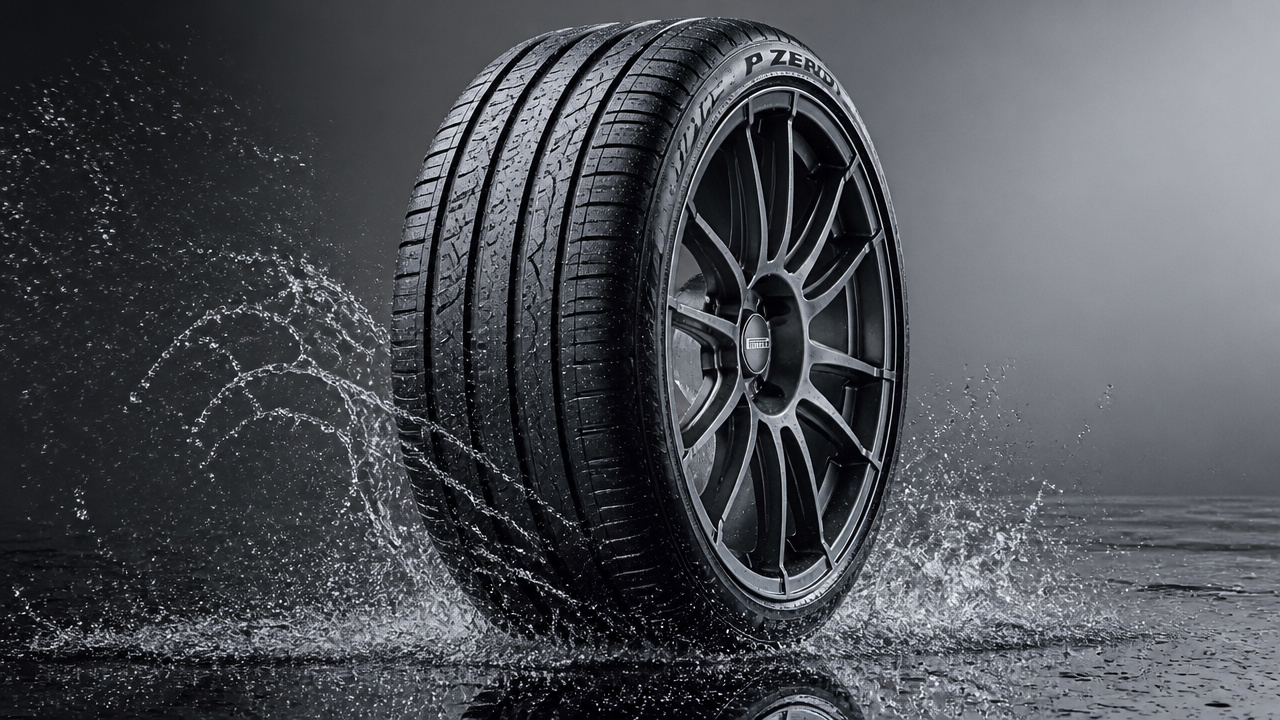
Rain-slick roads turn your drive into a nerve-wracking challenge. Tires slip without warning. That sudden loss of grip feels terrifying and unavoidable.
Cooper Endeavor Plus slices through standing water using deep grooves and angled channels. Kumho Ecsta STX KL12 expels water quickly with broad, directional tread blocks. Continental ContiProContact delivers consistent hydroplane defense paired with a clever water evacuation pattern.
Continental ContiProContact targets drivers needing a strong mix of wet-weather safety and sporty handling.
| Image | Name | Editor's Rating | Price |
|---|---|---|---|
|
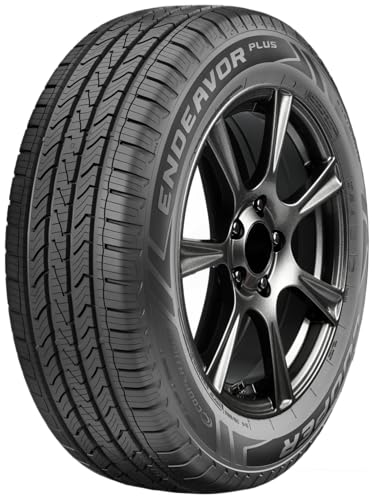
Cooper Endeavor Plus All-Season 245/60R18 105H Tire
|
|
|
|
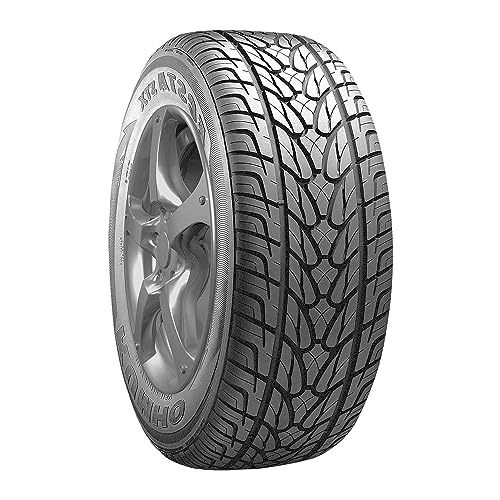
Kumho Ecsta STX KL12 All-Season Tire - 275/55R20 117V
|
|
|
|
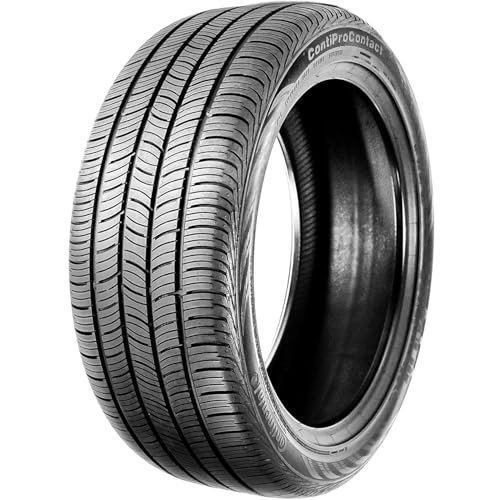
Continental ContiProContact Radial Tire - 235/50R18 97H
|
|
|

|
Ironman iMove Gen 2 A/S UHP All Season 225/60R18 100V Passen...
|
|
|

|
Falken AZENIS FK510 225/40ZR18 92Y
|
|
Exceptional Tires Delivering Outstanding Hydroplane Resistance
Maximizing safety starts with selecting tires engineered to combat hydroplaning. Evaluating tread designs and water evacuation features reveals top performers for wet-weather control.
1. Cooper Endeavor Plus – Reliable All-Season Tire with Superior Hydroplane Resistance
- Treadwear warranty: 65,000 miles
- Confidence in the rain - Offers the right combination of water evacuation grooves and checkmark...
- Add more miles - An added layer of reinforced material gives you more contact with the road for even...

Experience enhanced safety and control with the Cooper Endeavor Plus All-Season tire, designed specifically to tackle wet road conditions with confidence. Its unique combination of water evacuation grooves and checkmark channels effectively flush out water, reducing the risk of hydroplaning and keeping more rubber on the road for improved traction.
This tire is built to last, featuring an additional reinforced layer that promotes even tread wear, extending tire life for long-term use. Its 65,000-mile treadwear warranty reflects durability that meets daily driving demands across seasons.
Cooper’s contemporary tread design provides a quieter, smoother ride, enhancing comfort during extended drives. The non-directional tread type ensures universal fitment, making it a versatile choice for many vehicles, including SUVs and light trucks.
Maintenance is straightforward due to the radial construction and robust design tolerating a maximum pressure of 44 PSI, optimizing performance without compromising safety. The 18-inch rim size and 105 load index further support reliable handling and load capacity up to 2,039 pounds.
While primarily designed for all-season use, the Endeavor Plus excels in wet conditions, making it a dependable option for drivers seeking robust hydroplane resistance without sacrificing ride quality or longevity.
Best for: Drivers looking for a durable, quiet, and effective all-season tire focused on strong wet-road traction and hydroplane resistance.
What We Like:
- Advanced water evacuation design for improved wet traction
- Reinforced construction extends tread life evenly
- Contemporary tread pattern reduces road noise
- High load capacity supports heavier vehicles
- Universal fit with non-directional tread for flexibility
Specification:
| Specification | User Benefit |
|---|---|
| Water evacuation grooves and checkmark channels | Enhances grip by quickly clearing water to prevent hydroplaning |
| 65,000-mile treadwear warranty | Provides long-lasting performance and peace of mind |
| Reinforced tread layer | Promotes even wear for consistent tire life |
| Non-directional tread design | Allows for flexible tire rotation and easy maintenance |
| Radial construction | Improves durability and ride comfort over various road surfaces |
| Load capacity of 2,039 pounds | Supports heavier vehicles for reliable handling and safety |
| 18-inch rim size compatibility | Fits a wide range of SUVs and light trucks |
2. Kumho Ecsta STX KL12 All-Season Tire – Superior Hydroplane Resistance and All-Weather Performance
- Quiet ride and reduced interior noise levels, optimized by variable pitch tread blocks.
- Excellent wet traction, reduced hydroplaning, provided by wide groove water evacuating tread design.
- Greater steering response and large road contact patch, the benefits of jointless cap construction.
Experience superior control and safety with the Kumho Ecsta STX KL12, designed to excel in wet conditions and minimize hydroplaning risks. Its wide groove water-evacuating tread pattern efficiently channels water away, helping maintain traction even in heavy rain.
The tire features a directional tread design combined with jointless cap construction, offering a large road contact patch for enhanced steering response. This means more confidence behind the wheel during sudden maneuvers or slippery road surfaces.
Durability meets comfort here, as the variable pitch tread blocks reduce interior noise levels, ensuring a quiet ride without sacrificing performance. Additionally, rim protectors built into the lower sidewall shield your wheels from costly curb damage.
Built to fit a variety of vehicles with a universal automotive fit, this radial, 20-inch tire supports a strong load capacity of 2,830 pounds. It’s engineered for year-round use, making it a reliable choice regardless of the season, withstanding diverse road challenges while prioritizing hydroplane resistance.
Maintenance remains straightforward, requiring periodic tread inspections to preserve the tire’s excellent traction capabilities. While it offers exceptional wet handling, the tire’s design also balances comfort and durability for longer-lasting performance.
Best for: Drivers seeking a dependable, all-season tire that prioritizes hydroplane resistance and quiet, responsive handling on wet roads.
What We Like:
- Effective water evacuation reduces hydroplaning risks.
- Quiet ride thanks to optimized tread block design.
- Strong steering response from large contact patch design.
- Rim protectors shield wheels from curb damage.
- Durable radial construction supports year-round use.
Specification:
| Specification | User Benefit |
|---|---|
| Rim Size: 20 Inches | Fits a wide range of large vehicles offering versatility. |
| Load Index: 117 | Supports heavy loads up to 2,830 pounds for reliability. |
| Speed Rating: V | Safe performance at speeds up to 149 mph for highway driving. |
| Tread Type: Directional | Improves water channeling to maintain traction in rain. |
| Maximum Pressure: 51 PSI | Ensures optimal handling and tire lifespan with correct inflation. |
| Construction Type: Radial | Enhances durability and ride comfort over various road surfaces. |
| Seasons: Year Round | Reliable traction and performance across all weather conditions. |
| Tread Depth: 11.5 32nds | Offers long-lasting grip and resist wear over time. |
| Rim Protectors | Protects wheels from curb damage to reduce repair costs. |
3. Continental ContiProContact Radial Tire – Reliable Hydroplane Resistance and All-Season Performance
- All season traction
- Hydroplane protection
- High speed performance
Experience confident driving with the Continental ContiProContact Radial Tire, engineered to deliver enhanced hydroplane resistance and dependable traction year-round. This tire tackles wet conditions with a specially designed tread that channels water efficiently, reducing the risk of slipping on rain-soaked roads.
Crafted for sporty sedans, coupes, and crossovers, the ContiProContact balances performance and durability. Its all-season tread provides consistent grip throughout changing weather, allowing you to maintain control whether on dry highways or slick city streets.
Designed with radial construction, this tire offers a smooth ride and responsive handling while supporting a load capacity of up to 1609 pounds. The 18-inch rim size and reinforced sidewalls ensure long-lasting stability and strength, even at higher speeds rated up to 130 mph.
Maintenance is straightforward with the non-directional tread pattern, which promotes even wear and allows easy tire rotation for extended tread life. While optimized for summer conditions, its all-season capability makes it versatile for year-round use, enhancing safety and comfort.
Overall, the Continental ContiProContact Radial Tire combines reliable hydroplane protection with solid construction for drivers seeking dependable, balanced performance on varied road surfaces.
Best for: Drivers of sporty sedans and crossovers looking for dependable all-season tires with strong hydroplane resistance.
What We Like:
- All-season tread ensures consistent traction in diverse weather.
- Hydroplane protection enhances safety on wet roads.
- Radial construction for smooth handling and durability.
- Non-directional tread allows flexible tire rotation.
- Supports a high load capacity suitable for heavier vehicles.
Specification:
| Specification | User Benefit |
|---|---|
| Rim Size: 18 Inches | Fits common sporty sedans and crossovers for wide compatibility. |
| Load Capacity: 1609 Pounds | Supports heavier vehicles securely on the road. |
| Speed Rating: H | Allows safe driving up to 130 mph for highway performance. |
| Tread Type: Non-Directional | Enables easy tire rotation to promote even wear over time. |
| Maximum Pressure: 97 PSI | Maintains optimal tire shape and performance under heavy loads. |
| All-season tread design | Provides reliable traction through changing weather conditions. |
| Radial Construction | Offers enhanced durability and smooth driving experience. |
4. Ironman iMove Gen 2 A/S UHP All Season 225/60R18 100V – Best Tires for Hydroplane Resistance
- Enhanced tread block geometry and siping placement improve grip and minimize road noise
- Designed for use on sport and performance-oriented coupes and sedans
- Circumferential and longitudinal grooves maximize water evacuation to minimize hydroplane risk
Experience improved safety and control with the Ironman iMove Gen 2 A/S UHP tire, designed specifically to reduce hydroplaning risks. Its asymmetric tread design and enhanced siping create superior traction on wet and dry roads, helping you stay steady under challenging conditions.
Water evacuation is maximized through well-engineered circumferential and longitudinal grooves. This feature efficiently channels water away from the contact patch, minimizing hydroplane risk and promoting safer driving in rain.
Built for sport and performance-oriented coupes and sedans, this tire combines large tread blocks with strategic siping to enhance grip and reduce road noise. Durability comes from high-quality radial construction that supports consistent performance over a 40,000-mile lifespan.
Easy to maintain with its universal fit and reliable pressure tolerance, the Ironman iMove Gen 2 keeps driving responsive and comfortable. While optimized for summer use, this model still performs admirably across various seasons, making it versatile for many drivers looking for safety and smooth handling.
Although focused on reducing vibration and noise, the tire’s performance build suits drivers who prioritize traction and hydroplane resistance in daily and spirited driving.
Best for: Drivers of sport and performance sedans seeking reliable hydroplane resistance and responsive handling in wet and dry conditions.
What We Like:
- Asymmetric tread enhances wet and dry road grip.
- Groove design efficiently evacuates water to reduce hydroplaning.
- Large tread blocks provide stable handling and lower noise.
- Durable radial construction supports long tire life.
- Universal fit accommodates many vehicles with ease.
Specification:
| Specification | User Benefit |
|---|---|
| Rim Size: 18 Inches | Fits common sedan and coupe wheels for easy installation. |
| Load Index: 100 | Supports standard vehicle weight ensuring safety and durability. |
| Speed Rating: V | Allows safe driving up to 149 mph for performance driving. |
| Tread Type: Asymmetrical | Improves traction and handling in varied weather conditions. |
| Maximum Pressure: 44 PSI | Handles high air pressure for consistent tire shape and performance. |
| Construction Type: Radial | Ensures flexible durability and smooth ride quality. |
| Seasons: Summer | Optimized for warm-weather driving with wet and dry traction. |
| Tread Depth: 10/32nds | Offers sufficient depth for enhanced grip and longevity. |
| Load Capacity: 16 ounces | Matches vehicle requirements, promoting balanced tire wear. |
5. Falken AZENIS FK510 225/40ZR18 92Y – Superior Hydroplane Resistance Tire
- TENSION CONTROL TECHNOLOGY is a proprietary casing mold shape that provides a more flexible middle...
- WIDE SHOULDER BLOCKS enhance high-speed cornering and lateral grip.
- FOUR CIRCUMFERENTIAL GROOVES efficiently disperse water and enhance hydroplane resistance.
Experience enhanced safety on wet roads with the Falken AZENIS FK510, designed specifically to reduce hydroplaning risks. Its four circumferential grooves channel water away quickly, improving contact with the road and maintaining grip even in heavy rain.
The tire features Tension Control Technology that flexes more in the sidewall area. This reduces shock from uneven surfaces while boosting handling precision during cornering and sudden maneuvers. Combined with wide shoulder blocks, it offers exceptional stability at high speeds.
Constructed for durability, this tire supports a load capacity of 1389 pounds and maintains performance under pressures up to 50 PSI. Its radial construction enhances longevity without sacrificing ride comfort.
Thanks to its asymmetrical tread design, the Falken AZENIS FK510 balances traction and control, adapting well to various driving conditions except winter. Maintenance is straightforward due to the durable tread pattern that resists uneven wear.
This tire fits universally on 18-inch rims, making it an ideal choice for performance-oriented drivers seeking improved hydroplane resistance without compromising durability and control.
Best for: Drivers looking for reliable hydroplane resistance combined with precise handling on wet roads and sporty performance.
What We Like:
- Effective water dispersion via four deep grooves to minimize hydroplaning.
- Tension Control Technology improves ride comfort and handling stability.
- Wide shoulder blocks boost cornering grip at high speeds.
- Durable radial construction supports heavy loads and road shocks.
- Asymmetrical tread design balances traction with wear resistance.
Specification:
| Specification | User Benefit |
|---|---|
| Rim Size: 18 Inches | Fits a variety of 18-inch wheel sets for versatile use. |
| Load Capacity: 1389 Pounds | Supports heavy loads ensuring durability under various driving conditions. |
| Speed Rating: Y | Allows for high-speed performance while maintaining safety. |
| Tread Type: Asymmetrical | Balances traction and wear for consistent performance. |
| Maximum Pressure: 50 PSI | Optimized inflation enhances ride quality and tire longevity. |
| Construction Type: Radial | Ensures structural strength and even tread wear. |
| Seasons: Non-winter | Designed specifically for smooth performance in wet and dry conditions excluding snow. |
Key Specs Compared: Top Tires for Hydroplane Resistance
| Product Name | Rim Size | Load Capacity | Tread Type | Tread Depth |
|---|---|---|---|---|
| Cooper Endeavor Plus All-Season | 18 Inches | 2039 Pounds | Non-Directional | 11.5 32nds |
| Kumho Ecsta STX KL12 All-Season | 20 Inches | 2830 Pounds | Directional | 11.5 32nds |
| Continental ContiProContact Radial | 18 Inches | 1609 Pounds | Non-Directional | 10 32nds |
| Ironman iMove Gen 2 A/S UHP | 18 Inches | 16 ounces | Asymmetrical | 10 32nds |
| Falken AZENIS FK510 | 18 Inches | 1389 Pounds | Asymmetrical | 10 32nds |
What Makes Tires Truly Reliable Against Hydroplaning?

Wet roads are an unforgiving test for tires. Picking the right tire means focusing on features that eject water fast and hold your car steady. Let’s break down the key elements that decide how well a tire can fight hydroplaning.
Groove Design and Water Evacuation
Groove design is the frontline defense against standing water. Deep, wide tread grooves channel water away from the tire’s contact patch, preventing water buildup that leads to hydroplaning. The shape and placement of these grooves shape how efficiently water is dispersed. For example, the Cooper Endeavor Plus uses a combination of checkmark channels and wide water evacuation grooves to aggressively flush water out from beneath the tire face.
Using materials that maintain groove flexibility under cold conditions ensures consistent channeling. Directional and asymmetric patterns like those in the Kumho Ecsta STX KL12 and Ironman iMove Gen 2 develop strong water ejection paths by guiding water circumferentially and laterally. The physics here hinges on creating low-pressure zones that pull water out quickly while keeping high rubber-to-road contact.
Ignoring groove design risks water pooling between road and tire, causing a sudden traction loss. Without efficient water evacuation, tires slide uncontrollably, especially at higher speeds, increasing accident potential drastically. A tire with poor groove design leaves you vulnerable the moment rain slickens your route.
Tread Pattern Type and Directionality
Tread patterns are not just aesthetic; they define how your tire bites into wet roads. Tires come in directional, non-directional, or asymmetrical patterns, each affecting hydroplane resistance differently. Directional patterns, like on the Kumho Ecsta STX KL12, have a distinct forward-moving design that channels water rapidly outward, maximizing wet traction and handling response.
Asymmetrical patterns, present on the Ironman iMove Gen 2 and Falken AZENIS FK510, combine different tread blocks and sipe designs on the inner and outer edges to optimize both wet grip and dry performance. Non-directional patterns, seen with Cooper Endeavor Plus and Continental ContiProContact, offer versatility in mounting but sometimes compromise on quick water shedding compared to directional ones.
Choosing the wrong tread pattern means losing the fine balance between hydroplane resistance and grip. A mismatch reduces the tire’s ability to maintain contact, causing unstable handling in wet conditions. This instability quickly translates to unsafe driving, especially during sudden maneuvers or on heavy rain-soaked highways.
Tread Depth for Sustained Hydroplane Resistance
Tread depth provides the volume of space available for water evacuation over a tire’s lifespan. Deeper tread depths like the 11.5 32nds on Cooper Endeavor Plus and Kumho Ecsta STX KL12 leave more room for water channels to remain effective as tires wear down. Shallower tread depths reduce water dispersion capacity and increase hydroplaning risk.
The rubber composite stiffness and tread depth interact: softer compounds deepen groove flexibility but wear faster, while harder compounds retain tread depth longer but may be less flexible. Premium tires strike a balance, ensuring the grooves remain functional for tens of thousands of miles. For example, the Continental ContiProContact offers a 10 32nds depth focused on balancing wear with all-season performance.
Ignoring tread depth or failing to monitor it leads directly to hydroplaning dangers. As grooves become shallower, water can no longer channel out swiftly, lifting the tire off the road surface. This loss of grip is insidious because it happens gradually as tread wears, often unnoticed until a wet skid occurs.
Material Composition and Reinforcement Layers
Material composition shapes how tires interact with wet surfaces. Rubber blends designed to remain pliable in cold and wet conditions improve water displacement. Reinforcement layers such as those inside the Cooper Endeavor Plus extend tread life and stabilize the tire footprint to maintain maximum contact patch.
Modern tires incorporate silica in their rubber compounds to boost wet grip without compromising wear. Reinforced belts and added sidewall flexibility, like Falken’s Tension Control Technology, absorb road shocks and maintain road contact, especially during cornering or evasive actions. These technical specs ensure the tire adapts dynamically to road imperfections while discouraging hydroplaning.
Neglecting material quality or strength undermines wet-road confidence. Tires that harden or become brittle in cool moisture lose traction. Without proper reinforcement, the tire footprint becomes uneven under load, shrinking the contact area and increasing risk during heavy rain or rapid maneuvers.
Contact Patch Size and Road Grip
Contact patch size is the actual footprint where tire meets road. Larger contact patches distribute pressure better, improving traction and reducing the chances of water buildup underneath. The Kumho Ecsta STX KL12’s jointless cap construction creates a wide and stable road contact patch that boosts steering precision and wet grip.
Tires optimize this through tread pattern and belt design, using rigid belts to maintain shape and prevent distortion under load. When a contact patch is too small or inconsistent, localized water pockets form, leading to unpredictable hydroplaning. The coefficient of friction between rubber and wet asphalt directly scales with patch size and tread effectiveness.
Failing to consider contact patch results in fluttery handling and greater sliding risk in water. A reduced footprint can mean your tires literally float, with only a small portion touching the road—dramatically cutting braking and steering control in wet weather.
Sidewall Flexibility and Handling Precision
Sidewall flexibility influences how well a tire maintains grip during cornering and sudden maneuvers on wet surfaces. Tires like the Falken AZENIS FK510 use specialized sidewall technologies to flex more in response to uneven road surfaces and reduce shocks, enhancing wet handling precision.
The science involves balancing stiffness for stability and flexibility for contact. A flexible sidewall allows the tire to adjust its shape dynamically, maintaining maximum road contact and channeling water through tread grooves. This adaptability is critical during evasive actions that challenge hydroplane resistance beyond straight-line driving.
Ignoring sidewall behavior can lead to delayed or sloppy response when quick steering adjustments are required. Tires that are too stiff or have a weak sidewall limit control, making hydroplaning recovery harder and increasing accident risk, especially on slick, curved roads.
Load Capacity and Tire Pressure Range
Load capacity and correct tire pressure are often overlooked but essential for hydroplane resistance. Heavier tires like the Kumho Ecsta STX KL12 support loads up to 2830 pounds, ensuring the tire squashes water beneath effectively without excessive deformation. Proper inflation pressure maintains optimal tire shape and contact patch area.
Low pressure can cause a flattened footprint that traps water, while overinflated tires reduce contact area and stiffen the tread, decreasing grip. Tech like reinforced belts helps handle heavier loads without compromising tread performance. Reliable load ratings paired with appropriate inflation guidelines ensure the tire performs as intended against hydroplaning.
Disregard for load and pressure leads to uneven wear and unsafe driving conditions. Mismanaged load or pressure makes hydroplaning more likely due to compromised tread contact and water clearance, risking sudden loss of control particularly at speed or on wet highways.
Frequently Asked Questions
How do hydroplane-resistant tires reduce the risk of slipping on wet roads?
Hydroplane-resistant tires feature specialized tread patterns and water evacuation grooves that channel water away from the contact patch, reducing the film of water between tire and road. This design helps maintain grip and prevents the vehicle from sliding uncontrollably on wet surfaces. For example, the Cooper Endeavor Plus uses checkmark channels to flush out water efficiently.
Additionally, deeper tread depths—such as the 11.5 32nds found on some models—enhance water displacement. Tread design type, like asymmetrical or directional, also influences effectiveness for better hydroplaning resistance.
Check tire tread regularly and replace worn tires because diminished tread depth dramatically increases hydroplane risk.
What is the significance of tread design in hydroplane resistance?
Tread design directly affects how well tires evacuate water from beneath them. Directional tread patterns, like those on the Kumho Ecsta STX KL12, are designed to push water outwards rapidly, which can improve steering response in wet conditions. Asymmetrical treads, used on the Ironman iMove Gen 2 and Falken AZENIS FK510, combine different tread zones to optimize traction and handling.
Non-directional treads, such as on the Cooper Endeavor Plus, offer versatility but may not channel water as efficiently as directional designs. Tread pattern choice should match your driving style and typical weather challenges.
When replacing tires, match the tread type recommended for your vehicle to maintain optimal wet traction and hydroplane resistance.
Can all-season tires provide sufficient hydroplane resistance during heavy rain?
Some all-season tires are engineered to perform well in wet conditions by incorporating water evacuation channels and siping to reduce hydroplaning risk. The Continental ContiProContact Radial and Cooper Endeavor Plus are examples, offering balanced wet traction with tread compounds suited for year-round use.
However, while all-season tires improve safety in rain, extreme hydroplaning conditions may still challenge them compared to specialized rain tires. Tire load and tread depth also affect performance under heavy rain.
Keep your tires properly inflated and routinely check tread depth to maximize the benefits of all-season tires in wet weather.
How does tread depth impact hydroplane resistance?
Greater tread depth allows tires to channel more water away from the contact patch, lowering hydroplaning risk. Tires with a tread depth of 11.5 32nds—like the Cooper Endeavor Plus and Kumho Ecsta STX KL12—typically offer better water displacement compared to lower depths around 10 32nds.
As tread wears down, the tire’s channels become less effective at evacuating water, increasing the chance of hydroplaning. Even the best tread design cannot fully compensate for shallow tread.
Regularly measure tread depth with a gauge and replace tires before they fall below the 2/32 inch safety threshold to maintain hydroplane resistance.
Are higher load capacity tires better at resisting hydroplaning?
Higher load capacity tires generally feature stronger sidewalls and reinforced construction, providing better stability and maintaining road contact under stress. For example, the Kumho Ecsta STX KL12 has a load rating of 2830 pounds, supporting larger vehicles with enhanced traction control. However, hydroplane resistance depends more on tread design and depth than load rating alone.
Low load capacity tires, like the Falken AZENIS FK510 at 1389 pounds, can still offer excellent hydroplane resistance if optimally designed, emphasizing tread pattern and water evacuation capabilities.
Select tires based on your vehicle specifications and prioritize tread designs that actively channel water for balanced load and hydroplane protection.
Enhancing Wet Road Confidence with Advanced Tires
Choosing the ideal tire eliminates uncertainty on slippery surfaces. Models like the Cooper Endeavor Plus and Kumho Ecsta STX KL12 incorporate cutting-edge tread technology to effectively disperse water, significantly lowering hydroplaning risk. This results in superior traction and enhanced control when driving through wet environments, boosting overall safety.
Drivers seeking dependable year-round performance will appreciate the Cooper Endeavor Plus. Meanwhile, the Kumho Ecsta STX KL12 is better suited for those with sportier vehicles who need directional designs for maximum wet grip and responsive handling.
Always ensure tire sizes perfectly match your vehicle’s requirements to maintain effectiveness. Overlooking this can reduce hydroplane resistance and increase wear. Regular inflation checks and tread inspections will help prolong tire durability and preserve consistent wet-weather safety.
Last update on 2026-10-25 / Affiliate links / Images from Amazon Product Advertising API