
Best Trees for Septic Systems That Safeguard Your Yard and Home
Roots creeping near your septic tank can spell disaster. Your yard’s beauty turns risky when trees with invasive roots threaten costly underground pipes. Finding greenery that won’t invade or damage your system is a tricky balance.
Florida Foliage Leyland Cypress offers fast-growing, dense evergreen coverage perfect for creating privacy without aggressive roots. Generic River Birch thrives in moist areas, avoiding septic damage while adding rustic charm.
The Generic Shumard Oak fills the gap with deep roots that grow downward, making it highly drought resistant and gentle on septic tanks while adding seasonal shade.
| Image | Name | Editor's Rating | Price |
|---|---|---|---|
|
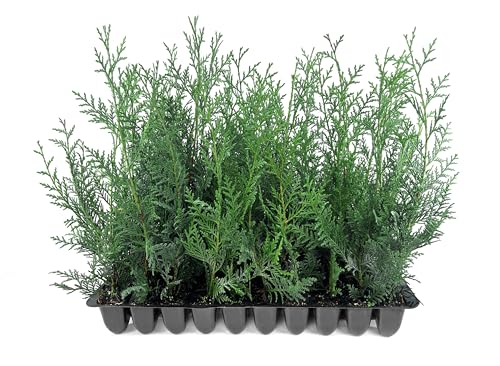
Leyland Cypress | 20 Live Plants | Cupressus × leylandii | F...
|
|
|
|
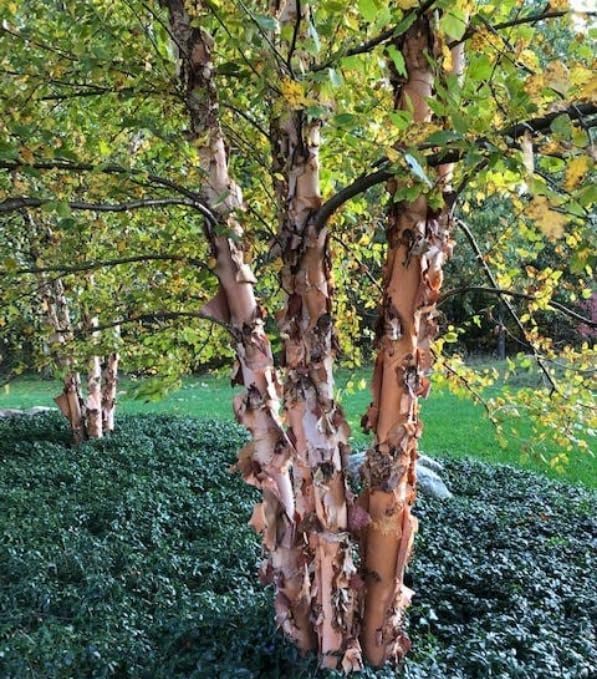
3 River Birch Trees - 18-24" Tall Live Plants - Fast Growing...
|
|
|
|
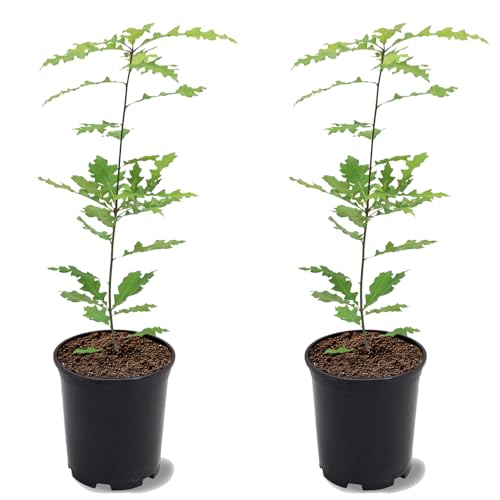
Shumard Oak, Shade Tree, Ample Size, Drought Resistant, Acor...
|
|
Septic-Safe Trees Offering Privacy, Shade, and Durability
Protecting your septic system starts with choosing trees that won’t invade underground pipes or drain fields. Strategic planting fosters yard beauty without costly damage, ensuring long-term landscape health.
1. Florida Foliage Leyland Cypress 20-Pack Fast-Growing Evergreen Privacy Trees for Landscaping
- Fast-Growing Privacy Tree – Ideal for creating natural screens, property borders, and windbreaks...
- Low-Maintenance Landscaping Plant – Thrives in full sun and adapts to different soil types, making...
- Versatile Outdoor Use – Suitable for residential and commercial landscapes, driveways, fences, and...
Creating a natural screen that stands strong through the seasons can be surprisingly challenging. Dense, evergreen coverage that doesn’t threaten underground systems or require constant upkeep adds even more complexity. Leyland Cypress from Florida Foliage fills this niche with remarkable speed and robustness, producing thick foliage ideal for privacy hedges or wind barriers.
Thriving in full sun and adaptable to a range of soil conditions, these trees demand minimal intervention while delivering maximum impact. They lushly cloak your borders or fences with feathery green branches that maintain their vibrancy all year long.
Designed for both residential and commercial uses, these evergreens lend structure and elegance to driveways, garden edges, or property lines without the typical risks posed to sensitive underground installations. Their fast growth means you won’t wait long to see your dream barrier fully formed.
Florida Foliage’s Leyland Cypress proves to be a smart landscaping choice, providing dense shade, noise reduction, and visual privacy while being easy to establish and maintain. You get the benefit of a lush outdoor atmosphere without compromising the safety of foundational septic features.
Best for: Gardeners and homeowners seeking a vigorous, low-maintenance screen that protects both privacy and sensitive underground soil systems.
Pros:
- Fast-growing with dense evergreen foliage
- Adaptability to various soil types and full sun exposure
- Provides effective natural windbreak and noise barrier
- Minimal maintenance requirements after establishment
- Ideal for creating privacy around residential or commercial properties
Cons:
- Might require occasional trimming to control height and spread
- Growth rate could outpace some nearby delicate plants or structures
2. Generic 3-Pack River Birch Trees 18-24″ Tall Fast-Growing, Low-Maintenance Outdoor Plants
- For sale are 3 River Birch Trees that are approximately 18-24" tall and shipped bareroot
- Exfoliating Bark: Unique peeling texture adds winter interest and rustic charm
- Fast-Growing: Adds 2+ feet per year – quick privacy or shade!
Planting near soggy or damp areas demands greenery that thrives, not just survives. The Generic River Birch excels where many trees struggle, flourishing in wet soils without encroaching aggressively on underground systems.
Fast growth defines these trees, soaring over 2 feet annually to quickly provide natural privacy and refreshing shade. Their distinct exfoliating bark adds rustic elegance, offering dynamic winter interest that transforms dull landscapes into inviting outdoor spaces year-round.
Low maintenance care makes them an ideal choice for enhancing yards with minimal fuss. The birches support local ecosystems by attracting birds and pollinators, creating a vibrant, wildlife-friendly environment without risking damage to sub-surface infrastructure.
Arriving as 18-24″ live plants shipped bare-root, these young trees establish easily and adapt well to partial sun conditions. As part of your outdoor sanctuary, they balance aesthetic appeal with practical resilience.
Generic’s River Birch pack offers a careful blend of beauty, environmental support, and adaptability perfectly suited for areas that demand thoughtful landscaping choices mindful of underlying systems.
Best for: Homeowners aiming to add fast-growing, stylish trees that respect underground installations and boost local wildlife.
Pros:
- Thrives in wet soil where many trees fail
- Rapid annual growth for swift screening or shade
- Unique exfoliating bark enhances winter yard aesthetics
- Supports birds and pollinators for ecological benefits
- Low maintenance and adaptable to partial sun
Cons:
- May require occasional pruning to manage size as it grows quickly
- Partial sun preference might limit placement options in heavily shaded yards
3. Generic Shumard Oak Trees by Simpson Nursery – Drought Resistant Shade Trees, 2-3 ft, 2 Pack
Adding mature shade trees to your yard without risking underground infrastructure can be a challenge. The Shumard Oak grows steadily with a deep-rooted system that helps minimize interference with septic components.
These robust trees are housed in 1-gallon nursery pots, making them easy to plant and manage as they adapt to your landscape. Their deciduous nature offers seasonal interest, while the drought resistance means they thrive with less water, reducing soil disturbance around your septic field.
Offering more than just functionality, these oaks produce acorns that attract wildlife, which can enrich your outdoor environment without overburdening the soil. Choosing trees with thoughtfully developed root systems can prevent the common mistake of planting invasive roots near delicate underground systems.
Generic’s Shumard Oaks from Simpson Nursery bring together resilience and natural beauty, making them a reliable choice for homeowners mindful of septic system health. Their manageable size and durability ensure they fit well in a variety of yard spaces.
Best for: Homeowners seeking low-maintenance shade trees that safeguard underground septic installations while enhancing their property’s curb appeal.
Pros:
- Deep, non-invasive root system suitable for septic areas
- Drought tolerant to reduce watering needs
- Deciduous with seasonal leaf display
- Acorn production supports local ecology
- Comes in manageable 2-3 ft size for easier planting
Cons:
- May require space to accommodate mature tree spread
- Restricted shipment to certain states due to agricultural regulations
Top Characteristics of Trees Suitable for Septic System Landscapes
| Product Name | Sunlight Exposure | Growth Traits | Weight / Unit Count |
|---|---|---|---|
| Florida Foliage Leyland Cypress Privacy | Full Sun | Fast-Growing, Dense Evergreen | 5 Pounds / 20 Plants |
| Generic River Birch Copper Birch | Partial Sun | Fast-Growing, Exfoliating Bark, Wet Soil Lover | 1 Pound / 3 Plants |
| Generic Shumard Oak Shade Tree | Not Specified | Drought Resistant, Acorn Bearing, Deciduous | 10 Pounds / 2 Plants |
How to Pick the Best Trees for Your Septic System Without Risking Damage?

Choosing the right trees near a septic system means balancing aesthetics and underground safety. Certain tree traits can avoid costly repairs and enhance your yard’s health. Here’s what to focus on to keep roots away from septic lines while still enjoying greenery.
Root Growth Patterns
Root growth patterns refer to how far and deep a tree’s roots extend underground. This trait is critical because aggressive, shallow roots seek out moisture near septic tanks, often causing line ruptures or blockages. Trees with deep, non-invasive roots reduce this risk drastically, making them safer choices.
Many trees, like oaks, develop deep taproots that grow downward rather than spreading horizontally. This deep rooting action avoids septic system interference. For example, Shumard Oak has a root system designed to penetrate soil vertically, minimizing contact with septic components. Shallow-rooted species such as willows, by contrast, maximize lateral root spread, becoming hazardous near underground pipes.
Failing to consider root growth patterns can lead to expensive pipe repairs and septic drain field contamination. Ignored, this factor compromises system efficiency and risks environmental hazards. Selecting trees with controlled root behavior is key to protecting your septic investment.
Water Needs and Soil Compatibility
Water needs dictate how much a tree will seek out underground moisture, directly impacting septic system safety. Trees that thrive in wet or waterlogged soils tend to have roots aggressively expanding towards moisture sources, including septic drain fields. Matching trees to your soil moisture level limits intrusive root growth.
For instance, the River Birch naturally flourishes in damp or soggy conditions and tolerates partial sun. Its roots adapt well to saturated, clay-rich soils common near septic areas, yet don’t aggressively invade underground structures. In contrast, drought-resistant species like Shumard Oak require less water, reducing the likelihood of root intrusion in dry soil conditions.
Ignoring water needs often causes trees to overreach for moisture, disturbing septic pipes and leach fields. Properly considering soil moisture alignment results in a resilient yard that supports septic health and prevents costly flooding or backups.
Tree Size and Growth Rate
Tree size refers to mature height and canopy spread, while growth rate indicates how quickly a tree reaches that size. Both factors influence root system expansion and maintenance demands, crucial near septic setups. Fast-growing, large trees produce extensive root networks faster, increasing risk if positioned too close.
The Florida Foliage Leyland Cypress grows fast and tall, up to several feet annually, with dense evergreen foliage. While excellent for privacy, their rapid growth calls for cautious placement to avoid root intrusion. In contrast, slower-growing or medium-sized trees reduce the speed at which roots encroach. Understanding these dynamics helps homeowners space trees optimally, balancing visual appeal with septic protection.
Neglecting size and speed leads to unexpected root invasions and high upkeep as you attempt to redirect or remove problematic trees. Properly sized trees placed at safe distances minimize future disturbances and preserve your septic system’s longevity.
Sunlight Requirements
Sunlight requirements determine where trees can thrive without stress. A mismatch in sun exposure affects tree vigor and root behavior, which in turn impacts underground infrastructure safety. Trees stressed by too little or too much sun may develop erratic root systems searching for nutrients and water.
The Leyland Cypress demands full sun to sustain its thick, fast-growing foliage. Planting it in shaded areas may stunt growth and cause roots to spread unpredictably. In contrast, River Birch tolerates partial sun and still flourishes, making it a flexible candidate near varied yard conditions. Selecting trees suited to available sunlight encourages healthy growth with stable root patterns.
Failing to consider sunlight often results in weak, invasive roots prone to penetrating septic systems and causing damage. Matching trees to sunlight ensures regulated growth, healthy roots, and fewer risks to underground structures.
Evergreen vs. Deciduous Nature
This factor distinguishes trees by their leaf retention habits—evergreens keep foliage year-round, while deciduous trees shed leaves seasonally. This difference affects shading, root water uptake patterns, and debris management near septic fields.
Evergreens like Leyland Cypress provide continuous cover, creating dense privacy screens and steady transpiration rates that regulate soil moisture. Deciduous species such as Shumard Oak drop leaves in fall, which can require more cleanup but reduce root-water competition during dormant periods. These traits influence how roots compete for water and nutrients near septic lines.
Ignoring leaf cycle differences can lead to unexpected root surges in growing seasons or clogged septic vents from fallen debris. Choosing the right type for your yard’s needs and maintenance tolerance supports septic system balance and yard aesthetics.
Maintenance and Longevity
Maintenance involves pruning, trimming, and general care, while longevity relates to a tree’s lifespan. Both impact overall health and root system stability near septic systems. Healthy, well-maintained trees have predictable root patterns and less risk of invasive growth.
Fast-growing species like Leyland Cypress need regular trimming to manage height and density, preventing roots from growing unmanaged beneath the soil. Longer-lived trees such as Shumard Oak establish deep, stable roots over time that interfere less with septic components once mature. Material quality—like disease resistance and pest tolerance—also plays a role in maintenance effort and influencing longevity.
Neglecting tree care often results in unpredictable root expansion, leaks, or blockages in septic lines. Opting for trees with manageable maintenance schedules and durable traits reduces system risks and keeps your landscape intact for years.
Frequently Asked Questions
What makes a tree suitable for planting near septic systems?
A tree ideal for septic system proximity typically has a non-invasive root system that avoids disrupting underground pipes. Such roots help maintain the integrity of septic infrastructure by reducing the chance of damage or clogging. These trees also provide benefits like shade and privacy without posing a threat to essential systems.
For example, the Shumard Oak is known for deep roots that minimize surface root spread, making it safer for septic areas compared to aggressive surface-rooting species. Choosing species with similar root characteristics is crucial for septic health.
A good tip is to avoid trees with shallow, spreading roots like willows or poplars close to septic components to prevent costly damage.
Can evergreen trees be safely planted near septic drain fields?
Evergreens can work well near septic drain fields if they have non-invasive roots and grow steadily without overwhelming the system. Their year-round foliage offers privacy and won’t clog septic vents with heavy leaf drop.
The Leyland Cypress is a popular choice because it grows quickly yet keeps roots in check, making it a septic-friendly option.
Always plant evergreens at least 20 feet away from the drain field to protect pipes from root damage while enjoying the landscaping benefits.
How do soil moisture preferences affect tree choice near septic systems?
Septic system drain fields often have moist or well-drained soils. Selecting trees that thrive in these conditions promotes healthy growth while preventing root stress that can damage septic components. Choosing the right tree species based on soil moisture is crucial to maintain both yard aesthetics and system functionality.
River Birch is an excellent example of a tree suited for moist soils near septic areas, as it tolerates wet conditions without aggressive root intrusion. This helps protect the drain field while providing shade and beauty.
Always analyze your soil moisture levels before planting and avoid species with invasive roots. Proper tree placement and species selection reduce septic risks significantly.
Why are slow to moderate growth rates preferred for planting near septic systems?
Choosing trees with slow to moderate growth rates helps prevent roots from aggressively invading your septic system. These trees develop their root systems gradually, reducing the risk of damage to septic pipes and tanks. Fast-growing trees can cause costly repairs if planted too near.
The Shumard Oak is a great example of a moderate grower that offers shade without posing a high risk. It spreads its roots slowly, making it safer around septic areas.
Plant slow growers at a safe distance and monitor root growth regularly to protect your septic system effectively.
Are deciduous or evergreen trees better for septic system areas?
Each has merits: evergreens provide year-round screening while deciduous trees offer seasonal shade and less dense root competition. The best choice depends on aesthetics and root growth patterns.
Deciduous trees like Shumard Oak drop leaves in fall, reducing constant debris cleanup, and typically have deep, less aggressive roots suitable near septic fields.
Consider your yard’s needs—evergreens for privacy buffers, deciduous for open shade—while maintaining safe distances from septic components regardless of type.
Optimal Tree Choices for Septic Safety and Yard Appeal
Selecting the best trees eliminates conflicts between root systems and septic infrastructure while enhancing your landscape’s beauty. Choosing species like Leyland Cypress, River Birch, or Shumard Oak aligns with both your aesthetic goals and septic protection needs, creating a balanced outdoor environment.
Homeowners with well-drained soil and plenty of sunlight benefit from Leyland Cypress’s rapid privacy growth, whereas River Birch suits wetter areas. For dry sites, Shumard Oak provides deep roots that steer clear of septic lines, making these trees ideal for diverse yard conditions.
Before planting, measure your lot carefully and maintain at least a 20-foot distance from septic components. Vigilant root management and proper spacing are key to preserving your septic system’s health over time.
Last update on 2026-10-26 / Affiliate links / Images from Amazon Product Advertising API