

Best Drip Edge For Gutters: Top Choices for Ultimate Roof Protection
Rainwater splashes wildly off your roof’s edge. Gutters fill unevenly, and water sneaks behind them. This causes staining and damages the wood underneath.
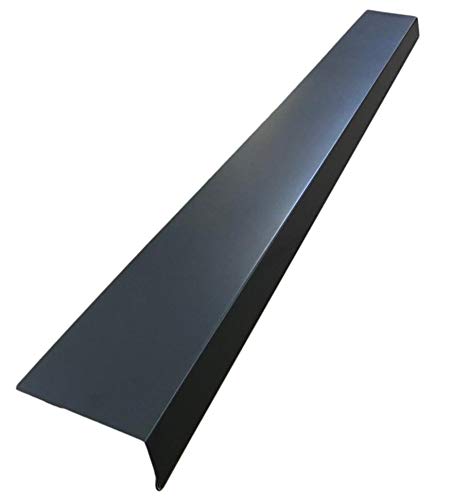
EAGLE 1 Roof Drip Edge Flashing stops water with strong 26-gauge steel. Its sharp 75° angle directs runoff clearly away from your home. The 5-foot length fits most roofs, sealing edges tightly.
Installing this drip edge keeps gutters dry and prevents costly wood rot. It’s an easy upgrade with lasting results.
| Image | Name | Editor's Rating | Price |
|---|---|---|---|
|
EAGLE 1 - (5 FT Long) Roof Drip Edge Flashing- 26 Gauge- 60"...
|
|
Durable Drip Edge Solutions for Optimal Gutter Protection
Effective water management starts at the roof’s edge, where poorly directed runoff can cause structural damage and costly repairs. Choosing the right drip edge enhances gutter performance and safeguards your home’s foundation.
1. EAGLE 1 Roof Drip Edge Flashing – Durable 26 Gauge Steel, 5 FT, 75° Angle, Charcoal Grey
- {High Quality} - Made from 26 Gauge Steel painted or Stainless Steel - Painted Steel options are...
- {Versatile Utility} - Use on metal or shingle roofs. - 75° degree angle fits most roof pitches with...
- {Easy to Install} - Can be installed by anyone, regardless of experience. - Built in easy to install...
Many homeowners underestimate how crucial a quality drip edge is for gutter efficiency and roof protection. The right drip edge doesn’t just redirect water; it prevents costly damage to your home’s fascia and soffit.
The EAGLE 1 Roof Drip Edge Flashing is engineered to fit most roof pitches with its 75° angle, ensuring water flows exactly where it should—away from vulnerable areas. Its 26 gauge steel construction offers a balance of strength and flexibility that plastic or thinner materials often lack.
Installation is straightforward. Each 5-foot section slips easily under shingles, with a 4-inch leg and a 1.5-inch hemmed edge designed for snug placement on the fascia. Matching metal roofing screws and a hex bit driver are included, saving you the hassle of sourcing separate hardware.
Durability is boosted by a baked-on 40-year paint finish or stainless steel options, which resist corrosion over time. Plus, the availability of multiple colors means you can seamlessly match your home’s exterior style without compromise.
While some drip edges may feel like complicated add-ons, this product simplifies protection and longevity for your gutter system, reducing maintenance needs and shielding your home’s foundation effectively.
Best for: Homeowners and contractors needing a reliable, easy-to-install drip edge that fits most roof types and offers long-term protection.
What We Like:
- Strong 26 gauge steel balances durability and flexibility
- Includes screws and hex bit driver for hassle-free installation
- Painted finish offers extended resistance to corrosion
- 75° angle designed to fit a wide range of roof pitches
- Multiple color options to coordinate with home exteriors
Specification:
| Specification | User Benefit |
|---|---|
| Material: 26 Gauge Steel | Provides sturdy protection while remaining manageable during installation |
| Length: 5 Feet Sections | Allows for easy handling and reduces waste by fitting common roof sizes |
| Angle: 75 Degrees | Fits most roof pitches ensuring proper water runoff |
| Finish: Baked-on Paint (40-year) | Enhances corrosion resistance and maintains appearance over time |
| Included Hardware: Screws and Hex Bit Driver | Simplifies installation with matching components supplied |
| Available Colors: Multiple | Offers customization to match various exterior color schemes |
Technical Overview of Top Products for Drip Edge Installation on Gutters
| Product Name | Material | Dimensions | Angle |
|---|---|---|---|
| EAGLE 1 Roof Drip Edge Flashing | Steel, copper, stainless steel | 60 x 4 x 1.5 inches | 75 degree |
What Makes the Best Drip Edge for Gutters a Smart Investment?

Picking the right drip edge isn’t just about slapping a metal strip on your roof’s edge. It’s about how effectively it channels water away, protects underlying materials, and plays with your gutter system. Getting this piece right can save a ton of headache later.
Material Strength and Longevity
The foundation of any dependable drip edge lies in its material strength. This component acts like a shield, facing rain, sun, and physical impacts. If the metal is weak, corrosion or warping can cause leaks and structural damage.
Common choices include steel, copper, and stainless steel. Steel often comes coated or galvanized to resist rust, offering a good balance of affordability and toughness. Copper is naturally corrosion-resistant but pricey, while stainless steel boasts excellent rust resistance and durability at a mid-to-high cost point.
Ignoring material quality means dealing with early replacement and potential water damage. A brittle or rusty drip edge fails its core function, leading to gutter overflow and damage to soffits and fascia.
Edge Angle Precision
The angle of the drip edge determines how efficiently water is directed away from the roof deck and gutters. An inaccurate angle can cause water to pool or drip behind the gutters, jeopardizing the roofing structure.
Most drip edges feature angles around 75 degrees to optimize water flow off the roof. The precision in this angle ensures water moves directly into the gutter without running down the fascia board. Variations can influence performance, especially in heavy rain or snow-prone zones.
A drip edge with a wrong or inconsistent angle invites water intrusion behind gutters, accelerating wood rot and mold growth. Maintaining that sharp angle is critical to effective water shedding and gutter protection.
Dimensions that Fit and Function
A drip edge’s dimensions must align perfectly with the roof and gutter setup. If it’s too narrow, it won’t cover the edge well; too wide, and it might interfere with siding or fascia. The right size means a snug fit without awkward gaps.
Typical dimensions, such as 60 x 4 x 1.5 inches, provide ample coverage while allowing easy installation. Width must cover the deck edge and overlap the gutter flange, while the height prevents water from seeping under shingles or trim. Length should match standard roof sections to reduce smart cutting.
Choosing incorrect dimensions causes installation headaches and compromises function. Water might drip behind gutters or cause edges of the roof to swell, affecting the home’s longevity.
Coating and Finish for Weather Resistance
The coating on a drip edge is its frontline defense against weathering, rust, and UV damage. A strong finish can slow material degradation and maintain the edge’s appearance and function for years.
Common coatings include vinyl, polyester, and zinc layers on metals. Vinyl and polyester add extra rain and UV resistance, while zinc coatings provide a sacrificial layer that prevents rust from spreading. Darker finishes, like charcoal grey, also absorb less heat, limiting thermal expansion and warping.
Neglecting proper coating leaves the metal prone to rust, peeling, and brittleness. This shortens the drip edge’s lifespan and can quickly lead to water damage as protective layers fail.
Compatibility with Roofing and Gutter Systems
Drip edges must work harmoniously with both your roof covering and gutter setup. Compatibility affects how well water is channeled and how tight joints remain under stress like wind or snow.
For example, some drip edges pair better with asphalt shingles, ensuring the shingles lay flat against the edge. Others may integrate with metal roofing systems or have bends designed to fit seamless gutters more securely. Dimensions and angles are tailored to avoid gaps or overlaps that reduce performance.
Picking an incompatible drip edge can cause water to bypass gutters or damage roofing materials during storms. This leads to unnecessary repairs and potential moisture intrusion into home structures.
Frequently Asked Questions
What makes the best drip edge for gutters different from standard flashing?
The best drip edge for gutters is designed specifically to direct water away from the roof and into the gutter system, preventing water damage and erosion. Its edge angle and material composition are tailored to guide water flow efficiently.
For example, a 75-degree angle drip edge fits snugly under roofing materials while extending over the gutter, unlike standard flashing which may lack this precise shaping.
When installing, ensure the drip edge extends properly beyond the roof deck to protect fascia boards and avoid potential water infiltration.
Which materials provide the most long-lasting drip edge performance?
Materials such as 26-gauge steel, copper, and stainless steel offer superior durability and resistance to corrosion, making them ideal for drip edges in various climates. These metals withstand weather challenges better than aluminum or vinyl.
Steel drip edges with a protective coating, like the charcoal grey finish on some models, combine strength with rust resistance, extending service life.
Regularly inspect metal drip edges for rust or damage and clean debris to maintain effective water flow and longevity.
How important is the angle of the drip edge in gutter protection?
The angle of the drip edge is critical because it affects how water flows off the roof and into the gutters. Angles around 75 degrees ensure that water is efficiently guided away from the fascia, minimizing potential leaks or wood rot.
Too shallow or too steep an angle may cause water to bypass gutters or infiltrate roofing layers, reducing protection effectiveness.
Confirm compatibility of drip edge angles with your roof pitch to enhance drainage efficiency and safeguard underlying structures.
Can I install the best drip edge for gutters myself, or should I hire a professional?
Installing a drip edge can be a manageable DIY task if you have basic roofing experience and tools since it mainly involves nailing the edge along the roof perimeter. However, precision is key for water protection.
Incorrect installation risks water damage, so if unsure, consulting a roofing contractor familiar with metal flashing and gutter systems is advisable.
Prioritize measuring and cutting accurately, and secure the drip edge without gaps to maintain a reliable seal.
What maintenance is required to keep drip edges effective over time?
Maintaining drip edges involves periodic cleaning to remove leaves and debris that can cause water backup. Also, inspecting for rust or damage ensures continued performance as water flow relies on an unobstructed edge.
Steel drip edges benefit from surface treatments and occasional rust-proofing sprays, especially in humid or coastal environments.
Schedule gutter and drip edge inspections at least twice a year, ideally before and after heavy rain seasons, for best results.
Enhancing Roof Protection with Quality Drip Edges
Installing the right drip edge resolves water runoff issues by safeguarding your roof’s edges and foundation. Opting for a drip edge made from durable metals significantly improves how water is channeled, reducing risks of structural damage and prolonging the roof’s lifespan.
Steel drip edges are ideal for those facing frequent rain or snow due to their robust resistance, while copper suits homeowners wanting a long-lasting, low-maintenance option. For less demanding environments, plastic drip edges provide an economical, though less sturdy, alternative.
Ensure accurate measurements during installation to fit the drip edge snugly under roofing layers and above the fascia. Improper sizing can lead to leaks, so take care to avoid common pitfalls like poor alignment that compromise water drainage efficiency.
Last update on 2026-10-15 / Affiliate links / Images from Amazon Product Advertising API